


Doubling to tripling of odds seen when temperatures reach extreme heat levels
MONDAY, Nov. 18, 2024 (HealthDay News) — There is a dose-response relationship between rising outdoor temperatures and increased atrial fibrillation (AF) events, according to a study presented at the American Heart Association Scientific Sessions 2024, held from Nov. 16 to 18 in Chicago.
Barrak Alahmad, M.D., Ph.D., M.P.H., from Harvard University in Boston, and colleagues examined the role of emerging environmental risk factors, like extreme heat driven by climate change. The Medtronic Product Surveillance Registry was used to identify 2,313 patients who received a cardioverter-defibrillator or cardiac resynchronization therapy defibrillator device implant (2016 to 2023) and had an atrial arrhythmic event.
The researchers found significantly fewer AF episodes in the early morning hours (12 to 7 a.m.) compared with normal working hours (8 a.m. to 5 p.m.). There were also significantly fewer AF episodes occurring on Saturday and Sunday versus weekdays. Compared with locally optimal temperatures across the United States (those associated with least odds; between 5 to 8 degrees Celsius), the odds of AF events increased when outdoor temperatures were 39, 40, and 41 degrees Celsius. The models did not improve with lagging temperature exposure. For AF episodes >30 minutes, results were similar.
“This study highlights the urgent need to consider emerging environmental factors, such as climate change-induced heat, in managing and preventing AF,” the authors write.
 Air Pollution Does Not Impair Benefits of Walking in Reducing COPD Exacerbation Rate
  Retinal Imaging Can ID Atrial Fibrillation Years Before Diagnosis
  NOACs Linked to Slower Cognitive Decline in Patients With A-Fib, Alzheimer Disease
  Freshwater Swimming Tied to Stomach Bugs, Skin Conditions
 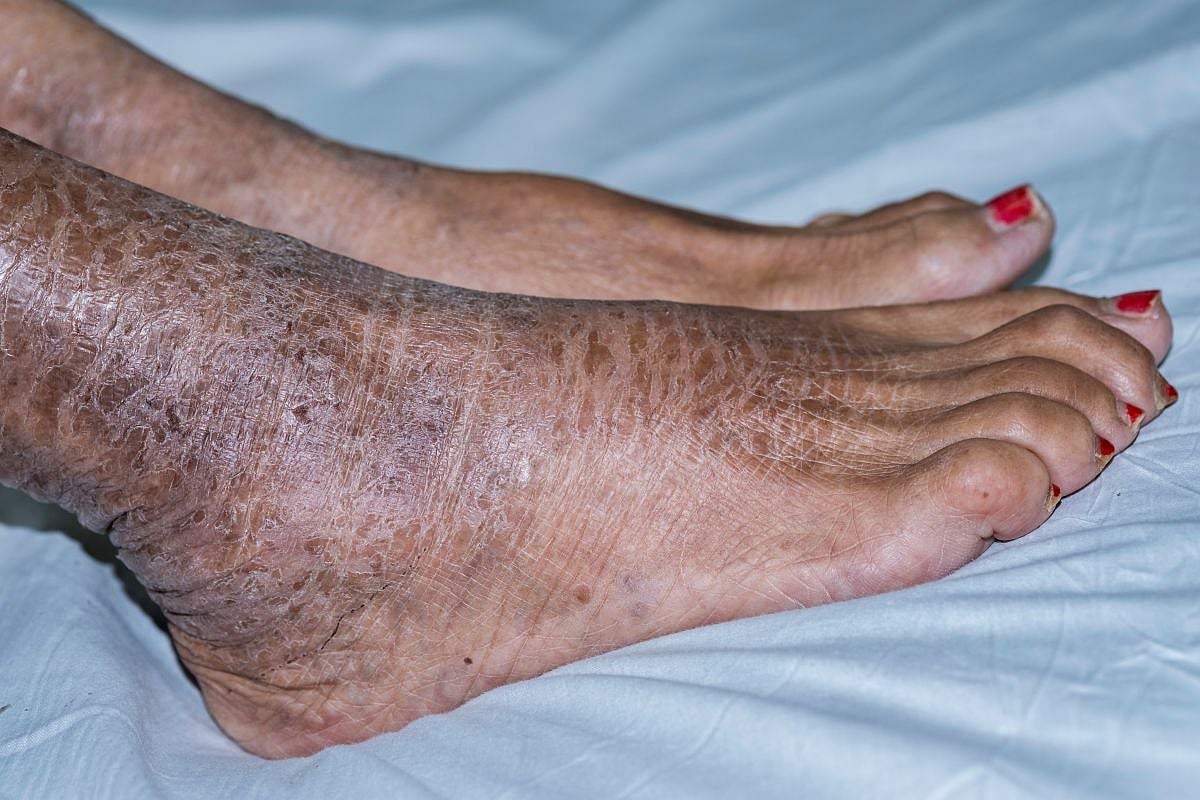 Congenital Ichthyosis Linked to Allergic Disorders
  Distinct Skin Microbiome Features Emerge Before Atopic Disease Onset in Infants
 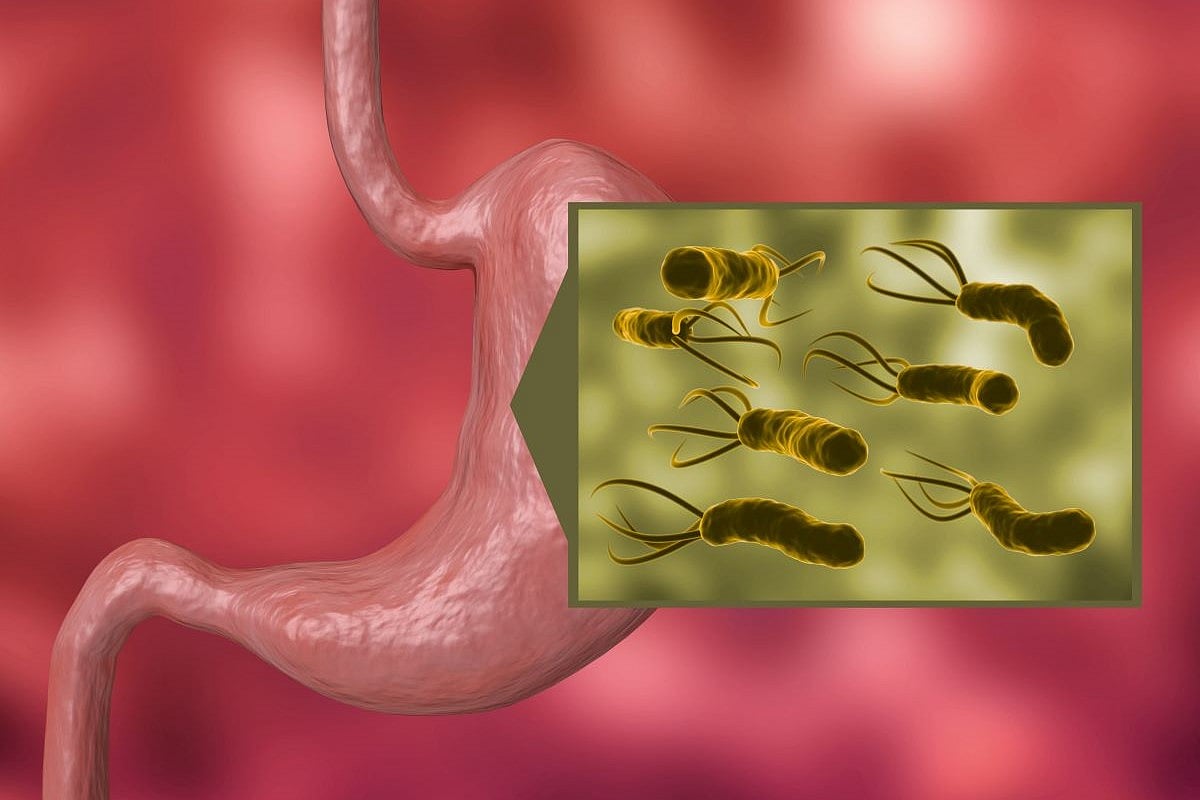 H. Pylori Exposure May Contribute to Global Burden of Colorectal Cancer
  About 1 in 20 Hospitalized U.S. Adults With Firearm Injuries Develop Bacterial Infections

.jpg)

