


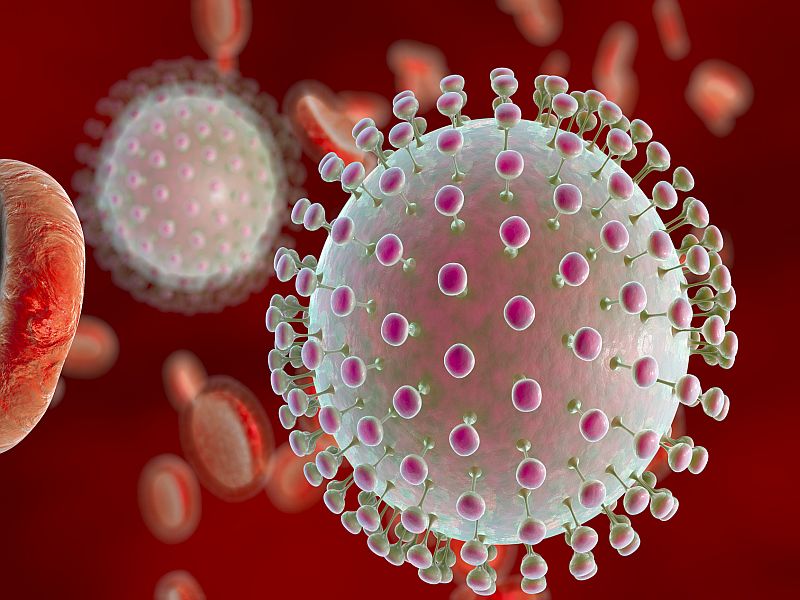
 Birth defects might occur following infection during any trimester
FRIDAY, June 9, 2017 (HealthDay News) — About one in 20 women in the U.S. territories who were infected with Zika during pregnancy had babies with possible Zika-associated birth defects, according to research published in the June 8 early-release issue of the U.S. Centers for Disease Control and Prevention’s Morbidity and Mortality Weekly Report.
The data were compiled from American Samoa, Puerto Rico, the Federated States of Micronesia, the Republic of Marshall Islands, and the U.S. Virgin Islands from Jan. 1, 2016, to April 25, 2017. The researchers reviewed 2,549 cases of pregnant women in the U.S. territories with possible Zika virus infection.
Among these pregnancies, 122 (5 percent) resulted in a fetus or infant with possible Zika-associated birth defects. Among women with completed pregnancies, 1,561 reported signs or symptoms compatible with Zika virus infection during pregnancy. The birth defect percentage rate was similar for women with and without symptoms of infection (5 percent among symptomatic and 4 percent among asymptomatic women). Among women infected in the first trimester, 8 percent had an infant with defects; 5 percent in second trimester, and 4 percent in third trimester. In accordance with CDC guidelines, 59 percent of these infants were tested for Zika at birth, 52 percent underwent postnatal neuroimaging, and 79 percent had their hearing screened at birth.
“The defects caused by Zika are not always obvious at birth,” Anne Schuchat, M.D., acting director of the CDC, told HealthDay. “That’s why identification of and follow-up care of babies with possible Zika virus infection is crucial — it ensures that babies get the proper care.”
 Low Levels of Placental Growth Factor in Pregnancy Linked to Subsequent ADHD in Offspring
  Recommendations Issued for Use of Incretin-Based Meds in Pregnancy
  IBD Not Linked to Risk for Hypertensive Disorders of Pregnancy Overall
  Maternal Vitamin D Status Linked to Preterm Delivery
  Serum 25(OH)D May Serve as Biomarker of Disease Activity in IBD
  Nutritional Deficiencies Seen in Youth Taking GLP-1 Receptor Agonists
  Mom"s Poor Sleep in Late Pregnancy Linked to Offspring"s Obesity Risk in Early Childhood



.jpg)
