


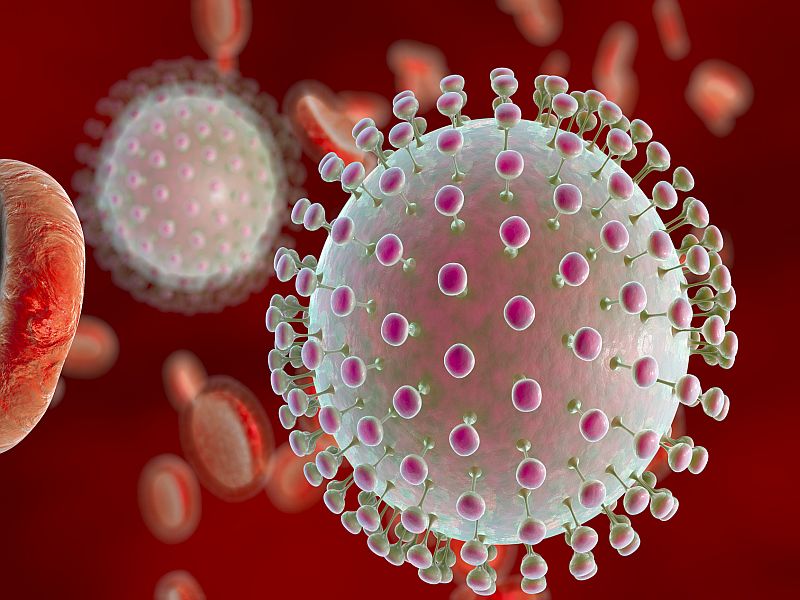
 Of 546 live births with possible maternal Zika virus, 11 percent proved positive
FRIDAY, June 23, 2017 (HealthDay News) — Testing placental and fetal tissue after a child is born can confirm or rule out Zika infection, according to research published in the June 23 issue of the U.S. Centers for Disease Control and Prevention’s Morbidity and Mortality Weekly Report.
Sarah Reagan-Steiner, M.D., of the CDC’s National Center for Emerging and Zoonotic Infectious Diseases, and colleagues analyzed results of tissue testing for pregnancy-related Zika infection in all 50 states and Washington, D.C.
The team found that of 546 live births with possible maternal Zika virus exposure, 11 percent (60) proved positive. In 81 cases of pregnancy loss where tissues were available for sampling, 22 percent — or 18 — tested positive for Zika virus. In 363 births where an unidentified infection had occurred, testing was able to confirm Zika in 10 percent of babies. Zika was ruled out via placental tissue testing in another 10 percent of cases where infection likely occurred well before the mother’s blood was tested.
“Testing of placental tissues from live births can continue to be considered when results of maternal Zika virus testing are not definitive or testing is not performed within the optimal time,” the authors write.
 Urine Cell-Free RNA Shows Promise as Biomarker for Bladder Cancer
  Age-, Joint-Specific Ultrasound Reference Values Set for Healthy Joints
  Retinal Imaging Can ID Atrial Fibrillation Years Before Diagnosis
  U.S. Adults May Not Understand Their Risk for Vascular Disease
  Lower Cognitive Functioning During 60s Linked to Subsequent Stroke Risk
  Polypharmacy of Prescription Medications Increased for U.S. Older Adults
  Nearly 1 in 10 Older Adults Used Cannabis in the Past Year
  Pharmacist-Led Med Review Improves Medication Quality in Older Patients With Cancer



.jpg)