


Bismuth quadruple therapy for 14 days is preferred regimen for treatment-naive patients when antibiotic susceptibility is unknown
MONDAY, Sept. 9, 2024 (HealthDay News) — In a clinical practice guideline issued by the American College of Gastroenterology and published in the September issue of the American Journal of Gastroenterology, recommendations are presented for the treatment of patients with Helicobacter pylori (H. pylori) infection.
William D. Chey, M.D., from Michigan Medicine in Ann Arbor, and colleagues developed a clinical practice guideline to inform evidence-based management of patients with H. pylori infection in North America. Eleven population, intervention, comparison, and outcome questions were analyzed and recommendations were generated. Expert consensus was used to create six key concepts in cases of insufficient evidence.
According to the authors, when antibiotic susceptibility is unknown, bismuth quadruple therapy (BQT) for 14 days is the preferred regimen for treatment-naive patients with H. pylori infection. For patients without penicillin allergy, rifabutin triple therapy or potassium-competitive acid blocker dual therapy for 14 days is a suitable empiric alternative. Optimized BQT for 14 days is preferred in treatment-experienced patients with persistent H. pylori infection who have not been previously treated with optimized BQT and for whom antibiotic susceptibility is unknown. Fourteen days of rifabutin triple therapy is a suitable empiric alternative in patients previously treated with optimized BQT. Only if antibiotic susceptibility is confirmed should salvage regimens containing clarithromycin or levofloxacin be used.
“In preparing this clinical practice guideline, we identified key knowledge gaps in the management of patients diagnosed with H. pylori infection or at risk of harboring H. pylori infection in North America, specifically, and these should be acknowledged as research priorities,” the authors write. “One such research priority is identifying which individuals residing in North America are most likely to benefit from opportunistic H. pylori testing.”
Several authors disclosed ties to the pharmaceutical industry.
 People With ADHD Experience 50 Percent More GI Symptoms
  Relapse Rare After Appendiceal Adenocarcinoma Resection
  Metabolic Dysfunction-Associated Steatotic Liver Disease Linked to Higher Odds of Eosinophilic Esophagitis
  Eosinophilic Esophagitis Prevalence May Be Higher Than Thought in Pediatric Patients With Asthma
 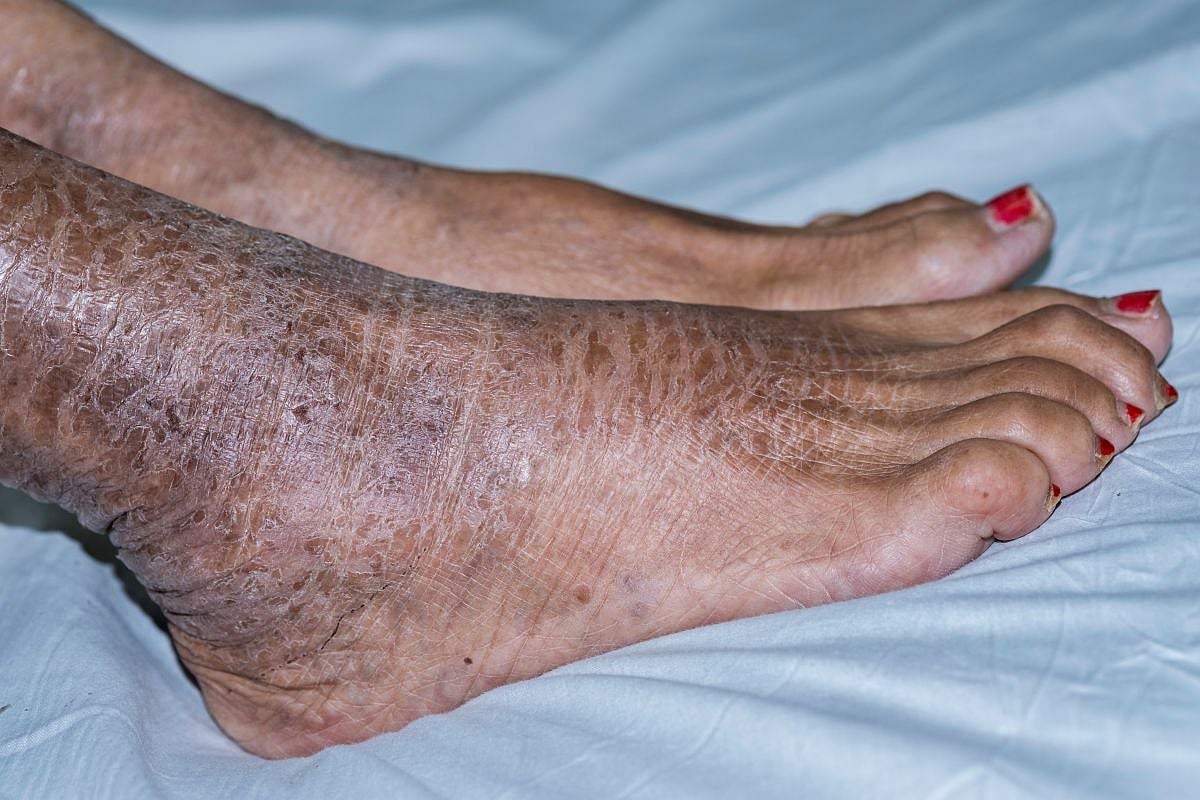 Congenital Ichthyosis Linked to Allergic Disorders
  U.S. Adults May Not Understand Their Risk for Vascular Disease
  Distinct Skin Microbiome Features Emerge Before Atopic Disease Onset in Infants
  Use of SAMA, SABA Linked to Cardiovascular Events, Mortality in Asthma, COPD


.jpg)

