Item with lowest percentage of correct answers (4.4 percent) related to identification of signs of ketoacidosis
WEDNESDAY, March 13, 2024 (HealthDay News) — There is considerable room for improvement of disease knowledge among individuals with type 2 diabetes (T2D), according to a study published online March 7 in Frontiers in Public Health.
Pedro L. Ferreira, Ph.D., from the Centre for Health Studies and Research of the University of Coimbra in Portugal, and colleagues examined the diabetes knowledge of a T2D population in a cross-sectional, observational study in a convenience sample. Individuals diagnosed with T2D attending ambulatory visits from five health settings, older than 18 years, with a time diagnosis of at least one year, and attending multidisciplinary visits for at least three months were identified. The Portuguese version of the Diabetes Knowledge Test was applied to assess knowledge in 1,200 individuals, ranging in age from 24 to 94 years (mean age, 65.6 ± 11.4 years); 39.9 percent were insulin-treated.
The researchers found that the percentage of correct answers was 51.8 and 58.7 percent for non-insulin- and insulin-treated individuals, respectively. Three items had a percentage of correct answers lower than 15 percent: 4.4, 11.9, and 13.3 percent related to the identification of signs of ketoacidosis, identification of which food should not be used to treat low blood glucose, and regarding knowledge of free food, respectively.
“The results of this study reinforce the need to improve the disease knowledge of T2D patients and to enable them to achieve better health outcomes,” the authors write. “Some of the factors associated with the limited diabetes knowledge are modifiable, and can be addressed through more targeted interventions.”
.jpg) Pregnancy Complications Linked to Subsequent Risk for Cardiometabolic-Renal Conditions
Pregnancy Complications Linked to Subsequent Risk for Cardiometabolic-Renal Conditions  GLP-1 Receptor Agonists, SGLT-2is Slow Renal Function Decline in T2D With Albuminuria
 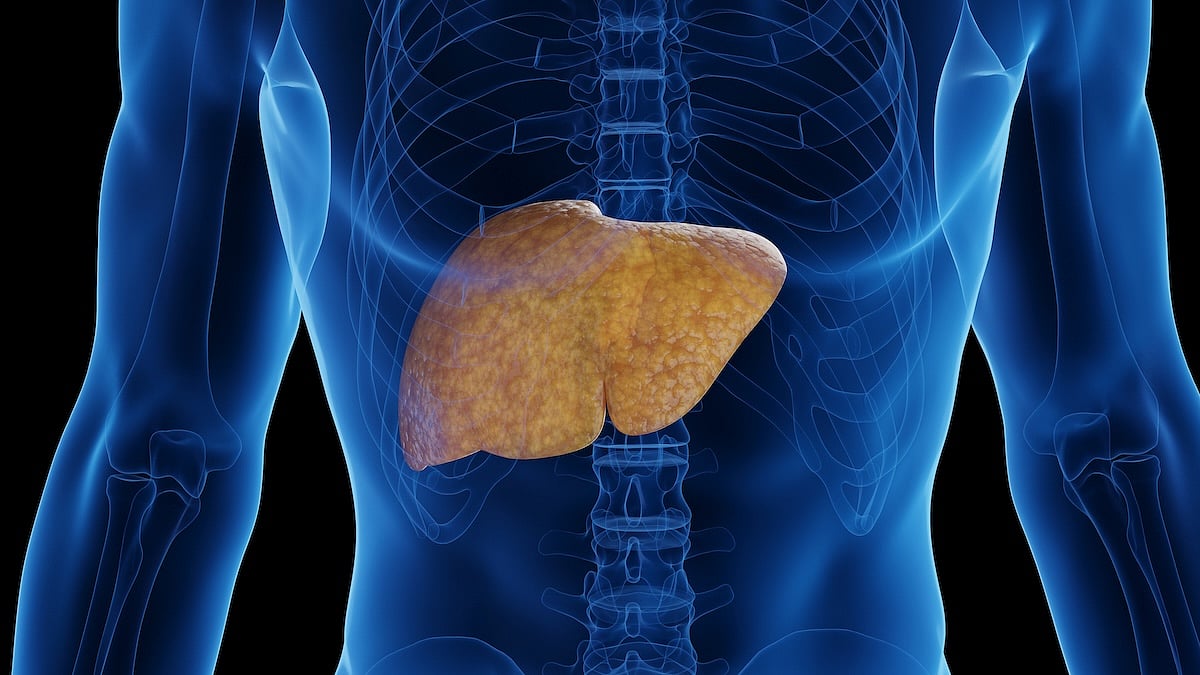 Genetics, Diabetes Tied to MASLD-Associated Cirrhosis Before Age 50
  Study IDs Risk Factors for Ketoacidosis in Adults With T2D Receiving SGLT2 Inhibitors
  1 in 3 With Lupus Take Supplements, Medications With Potential for Interactions
  Holding DMARDs at Time of COVID-19 Vaccine Not Warranted in Those With Inflammatory Arthritis
  2013 to 2024 Saw Decrease in Benzodiazepine Prescribing
  Polypharmacy of Prescription Medications Increased for U.S. Older Adults