


Findings persist across various periods
MONDAY, March 24, 2025 (HealthDay News) — Children exposed to maternal cannabis use disorder (CUD) during pregnancy and postpartum have an increased risk for later behavioral disorders, according to a study published online in the April issue of Psychiatry Research.
Abay Woday Tadesse, from the School of Population Health at Curtin University in Australia, and colleagues assessed the relationship between maternal CUD during pregnancy and postpartum periods and the risk for disruptive behaviors in offspring. The analysis included linked data from 222,604 mother-child pairs, with live births recorded from 2003 to 2005.
The researchers found significantly higher risks for disruptive behavioral disorders in children of mothers with CUD during the antenatal (risk ratio, 3.56), perinatal (risk ratio, 3.55), and postnatal (risk ratio, 2.95) periods versus nonexposed dyads.
“Cannabinoid ingredients can cross the placenta and enter breast milk, potentially affecting brain development,” coauthor Rosa Alati, Ph.D., also from Curtin University, said in a statement. “This research provides critical evidence to help shape health policies aimed at minimizing harm.”
 2013 to 2024 Saw Decrease in Benzodiazepine Prescribing
  Childhood Cancer Survivors Often Have Mental Distress in Adulthood
  Maternal Vitamin D Status Linked to Preterm Delivery
  IBD Not Linked to Risk for Hypertensive Disorders of Pregnancy Overall
  Isometric Exercise Training Three Times a Week Preserves Cardiovascular Benefits
 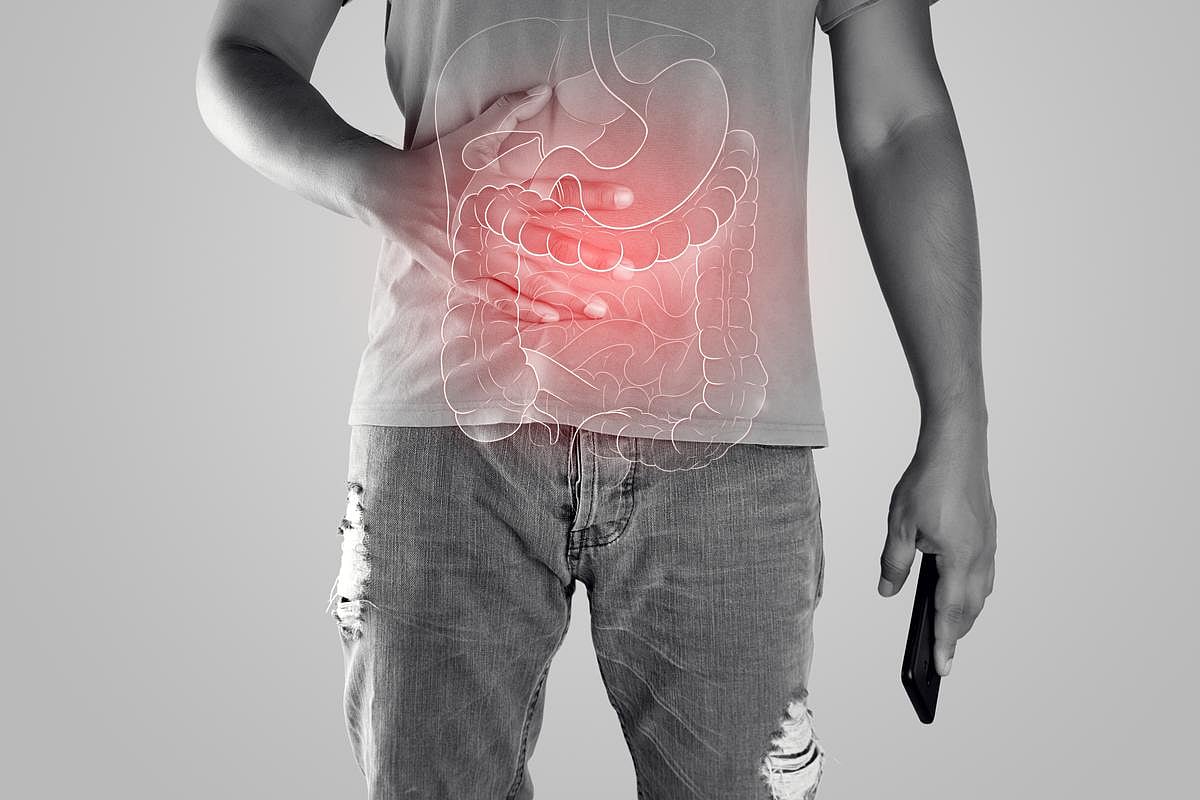 Serum 25(OH)D May Serve as Biomarker of Disease Activity in IBD
  Mom"s Poor Sleep in Late Pregnancy Linked to Offspring"s Obesity Risk in Early Childhood
  High Intake of Eggs, Peanuts in Pregnancy Does Not Lower Allergy Risk
.jpg)


