


Approval is part of FDA effort to prioritize generic approvals for drugs in short supply
THURSDAY, Dec. 26, 2024 (HealthDay News) — The U.S. Food and Drug Administration has approved the first generic referencing Victoza (liraglutide; Hikma Pharmaceuticals), a glucagon-like peptide-1 (GLP-1) receptor agonist indicated to improve glycemic control in adults and pediatric patients aged 10 years and older with type 2 diabetes.
The approval of the once-daily injection (18 mg/3 mL), as an adjunct to diet and exercise, is intended to help with drug shortages and improve patient access.
The generic liraglutide includes a Boxed Warning to advise health care professionals and patients about the increased risk for thyroid C-cell tumors. Additional warnings include pancreatitis, liraglutide pen sharing, hypoglycemia when used in conjunction with certain other drugs known to cause hypoglycemia like insulin and sulfonylurea, renal impairment or kidney failure, hypersensitivity, and acute gallbladder disease. Clinical trials revealed the most common side effects were nausea, diarrhea, vomiting, decreased appetite, dyspepsia, and constipation.
“The FDA supports development of complex generic drugs, such as GLP-1s, by funding research and informing industry through guidance as part of our ongoing efforts to increase access to needed medications,” Iilun Murphy, M.D., director of the FDA Office of Generic Drugs, said in a statement. “Today”s approval underscores the FDA”s continued commitment to advancing patient access to safe, effective, and high-quality generic drug products.”
.jpg) Pregnancy Complications Linked to Subsequent Risk for Cardiometabolic-Renal Conditions
Pregnancy Complications Linked to Subsequent Risk for Cardiometabolic-Renal Conditions  GLP-1 Receptor Agonists, SGLT-2is Slow Renal Function Decline in T2D With Albuminuria
 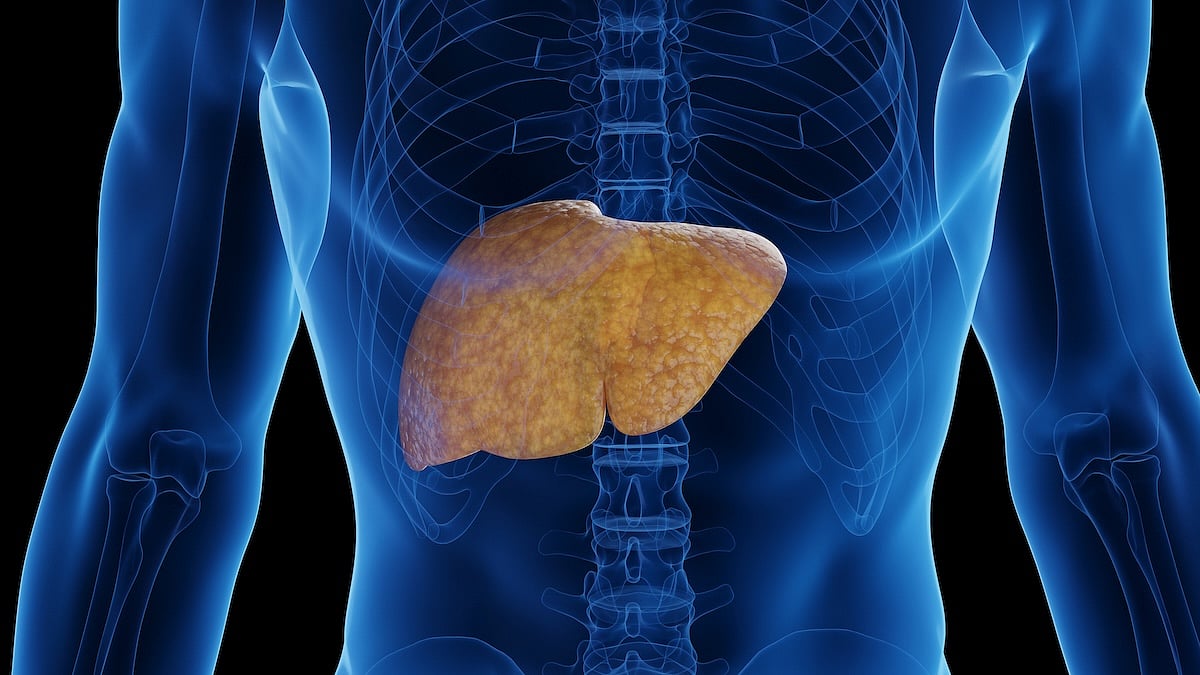 Genetics, Diabetes Tied to MASLD-Associated Cirrhosis Before Age 50
  Study IDs Risk Factors for Ketoacidosis in Adults With T2D Receiving SGLT2 Inhibitors
 .jpg) Most Specialty Oral Anticancer Meds for Blood Cancers Are Initially Rejected by Insurers
Most Specialty Oral Anticancer Meds for Blood Cancers Are Initially Rejected by Insurers  Drug Interactions Reducing Contraceptive Effectiveness Common in Epilepsy
  Holding DMARDs at Time of COVID-19 Vaccine Not Warranted in Those With Inflammatory Arthritis
  1 in 3 With Lupus Take Supplements, Medications With Potential for Interactions


