


Vaccine helps protect against the A, B, C, W, and Y serogroups of Neisseria meningitidis
TUESDAY, Feb. 18, 2025 (HealthDay News) — The U.S. Food and Drug Administration has approved Penmenvy (Meningococcal Groups A, B, C, W, and Y Vaccine) for active immunization against invasive meningococcal disease (IMD), according to a press release from GlaxoSmithKline (GSK).
Penmenvy, approved for use in individuals aged 10 through 25 years, targets five major serogroups of Neisseria meningitidis (A, B, C, W, and Y), the common cause of IMD. The vaccine is an injectable suspension for intramuscular use that combines components of GSK”s two well-established meningococcal vaccines, Bexsero and Menveo.
The vaccine”s safety, tolerability, and immune response were supported by two phase 3 trials with more than 4,800 participants aged 10 to 25 years. The safety profile was found to be consistent with GSK”s licensed meningococcal vaccines. The most common side effects reported were pain at the injection site, fatigue, headache, muscle pain, and nausea.
“The consequences of IMD can be devastating for those who contract it, for their families and friends,” Judy Klein, president and founder of Unity Consortium, a nonprofit organization focused on adolescent health and immunization in the United States, said in a statement. “We welcome new tools to help protect more adolescents from meningococcal disease. Pentavalent MenABCWY vaccines could help address the disease by providing protection against the five vaccine-preventable serogroups in one vaccine and making it easier for adolescents to get the coverage they need.”
Approval of Penmenvy was granted to GSK.
 Nearly 3 in 4 Older Adults Express Interest in Vaccine to Prevent Dementia
 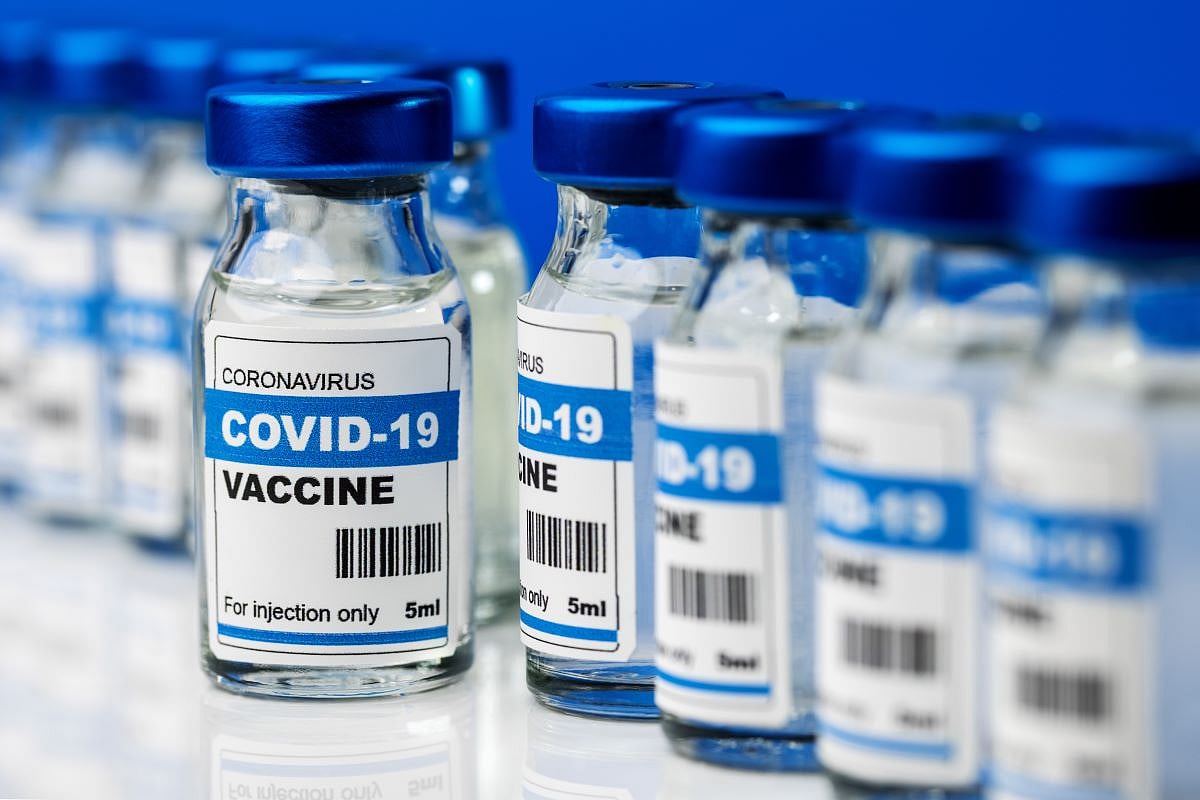 Updated COVID-19 Shot Beneficial for Those With Autoimmune Rheumatic Disease
  AAP Issues Recommendations for Pediatric RSV Vaccination in 2026-2027 Season
  Trends Reported in Vaccination Coverage for Adolescents for 2025
 .jpg) Considerable Gaps Reported in Care for Youth With Opioid Use Disorder
Considerable Gaps Reported in Care for Youth With Opioid Use Disorder 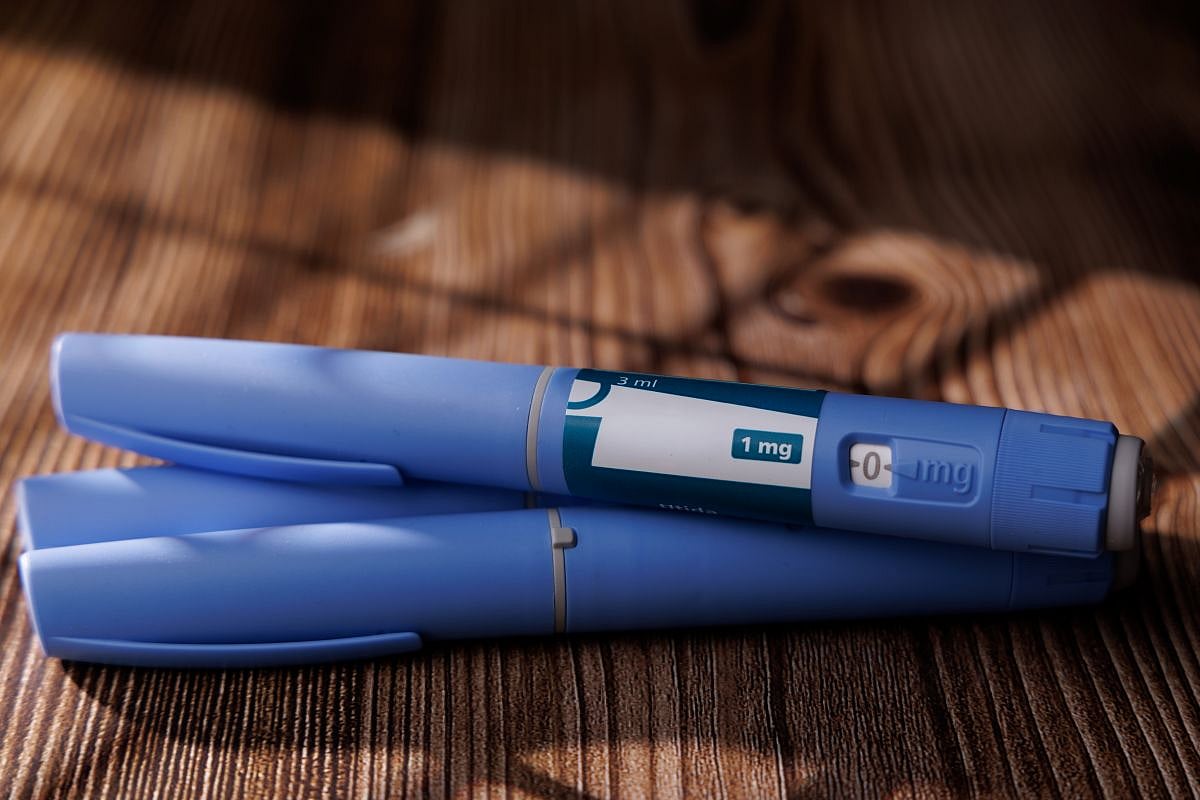 Nutritional Deficiencies Seen in Youth Taking GLP-1 Receptor Agonists
  Youth Suicide Risk Linked to Community Firearm Violence
  Social Media Warnings Could Discourage Use Among Teens, Young Adults


.jpg)

