


Unique environmental effects, but not a shared environment between siblings, also influences risk
WEDNESDAY, June 12, 2024 (HealthDay News) — The genetic influences of posttraumatic stress disorder (PTSD) are stronger in females than males, according to a study published online June 4 in The American Journal of Psychiatry.
Ananda B. Amstadter, Ph.D., from Virginia Commonwealth University in Richmond, and colleagues conducted structural equation modeling to decompose genetic and environmental variance for PTSD and to formally test for quantitative and qualitative sex differences in twins (16,242 pairs) and in full siblings within two years of age of each other (376,093 pairs), using diagnostic codes from the Swedish National Registries.
The researchers found that the best-fit model suggested that additive genetic and unique environmental effects contributed to PTSD. A quantitative sex effect was detected, with heritability significantly greater in females (35.4 percent) than males (28.6 percent). There was also a qualitative sex effect, with the genetic correlation high but less than complete (rg = 0.81). There was no evidence of shared environment or special twin environment.
“Although this is the first formal test of a quantitative sex effect for PTSD, this finding of greater genetic influence among females compared with males is consistent with the overall pattern of findings across twin studies,” the authors write.
 Active Smoking Linked to Progression of Sickle Cell Retinopathy
 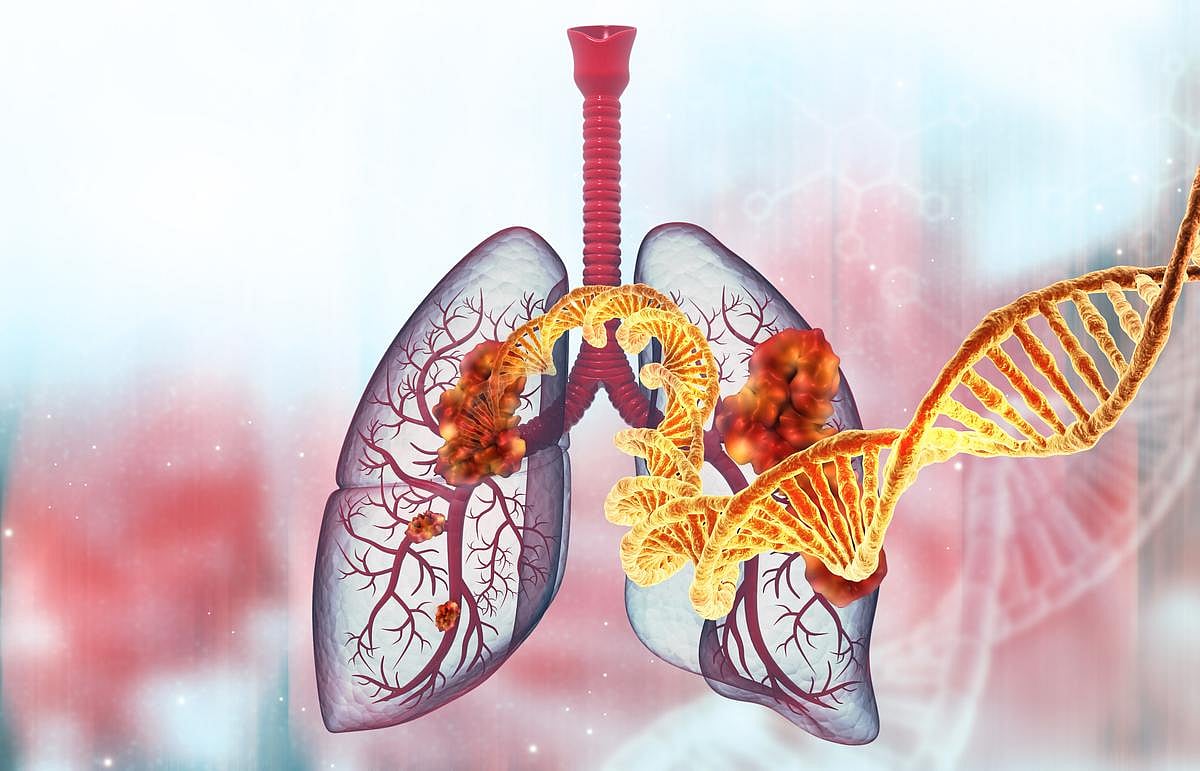 Gene Mutation Identified That Increases Lung Cancer Risk
 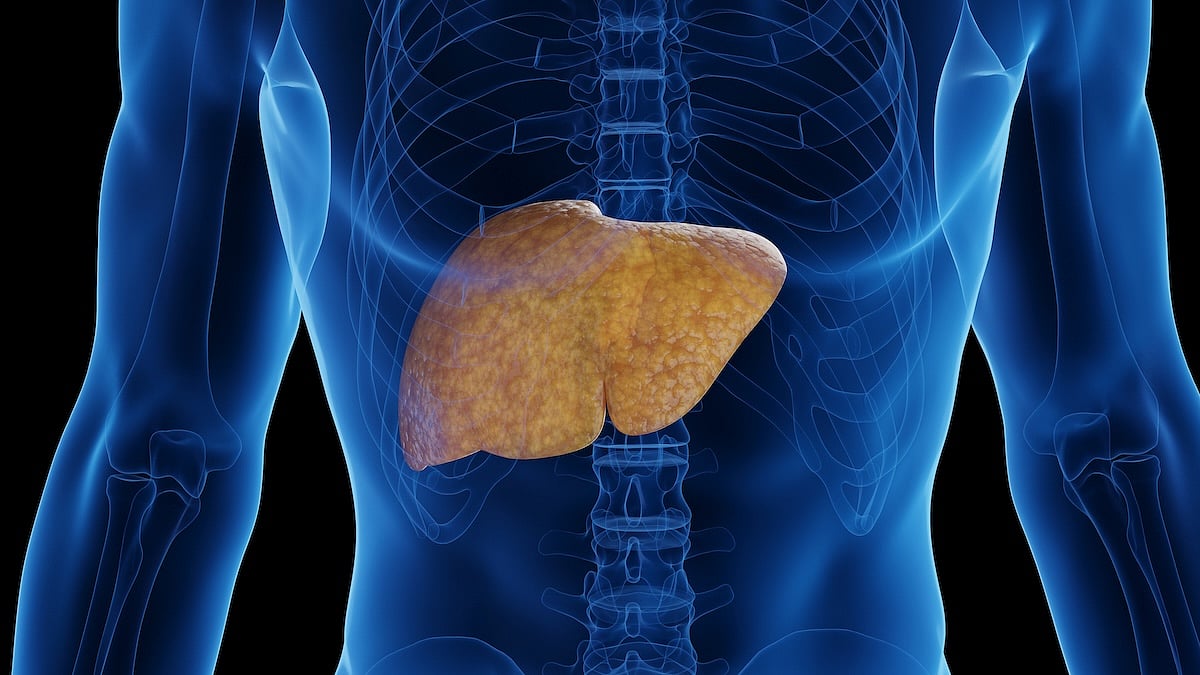 Genetics, Diabetes Tied to MASLD-Associated Cirrhosis Before Age 50
 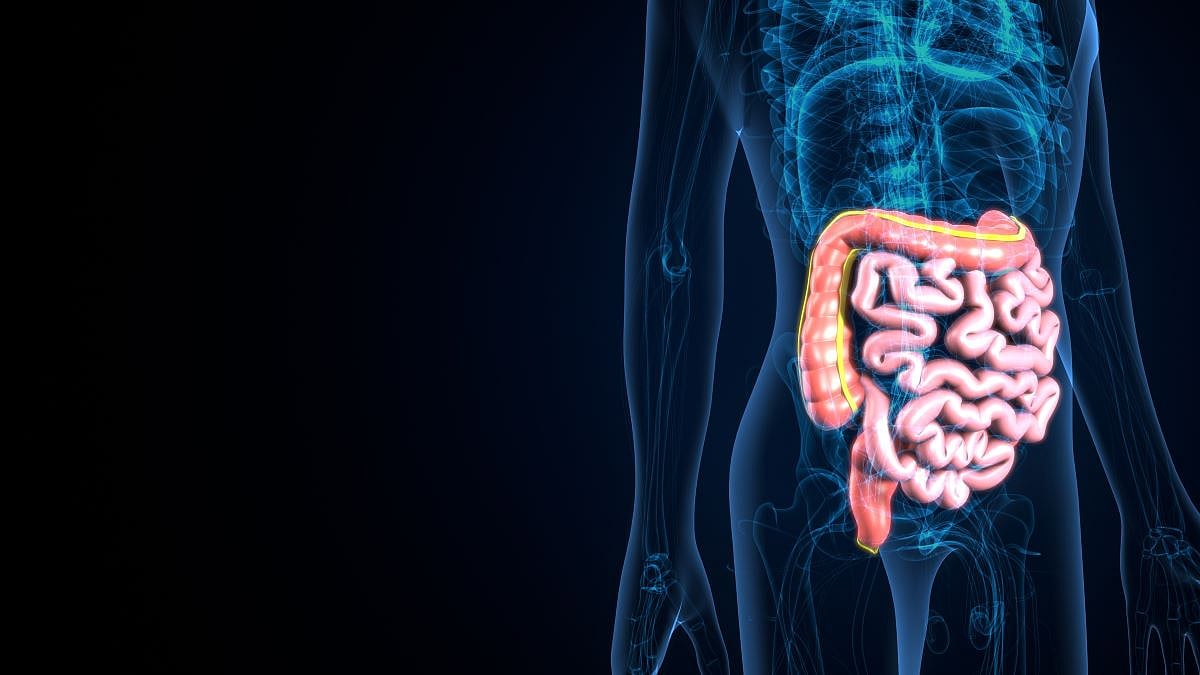 Family History of CRC Increases CRC Risk Similarly in IBD, General Population
  Personalized Support Boosts Families" Genetic Testing for Hereditary Cancers
  Serum 25(OH)D May Serve as Biomarker of Disease Activity in IBD
  Surveillance Colonoscopy at Five Years After Adenoma Removal Noninferior to Three Years
  Relapse Rare After Appendiceal Adenocarcinoma Resection



.jpg)
