


More than 80 percent of former or current smokers have never heard of nor discussed LCS with a clinician
TUESDAY, Nov. 12, 2024 (HealthDay News) — Few high-risk individuals have heard of or have discussed lung cancer screening (LCS) with a health care practitioner, according to a research letter published online Oct. 30 in JAMA Network Open.
Kalyani Sonawane, Ph.D., from the Medical University of South Carolina in Charleston, and colleagues examined LCS communication for U.S. individuals at high risk. Data were included for participants aged 50 to 80 years from the 2022 Health Information National Trends Survey-6, a nationally representative survey of the civilian noninstitutionalized population. A total of 929 participants who formerly smoked and 350 who currently smoke were identified (estimated population sizes, 29.0 and 11.9 million, respectively).
The researchers found that 18.1 and 75.1 percent of those who formerly smoked had never heard of LCS and never discussed LCS with their clinician, respectively. In the current smoking group, 13.5 and 71.1 percent, respectively, had never heard of LCS and never discussed LCS with their clinician. In both groups, more than 80 percent of participants had never heard of nor discussed LCS with a clinician, regardless of sex, race, ethnicity, educational attainment, household income, urbanicity versus rurality, health insurance status, and unmet social determinants. Among those with a history of cancer or a comorbid lung disease, more than 60 percent did not discuss LCS with their clinicians.
“Our data emphasize the need for increasing LCS communication in the United States, specifically, increasing education and outreach to eligible individuals who can benefit from LCS,” the authors write.
Several authors disclosed ties to industry.
 Urine Cell-Free RNA Shows Promise as Biomarker for Bladder Cancer
  Age-, Joint-Specific Ultrasound Reference Values Set for Healthy Joints
 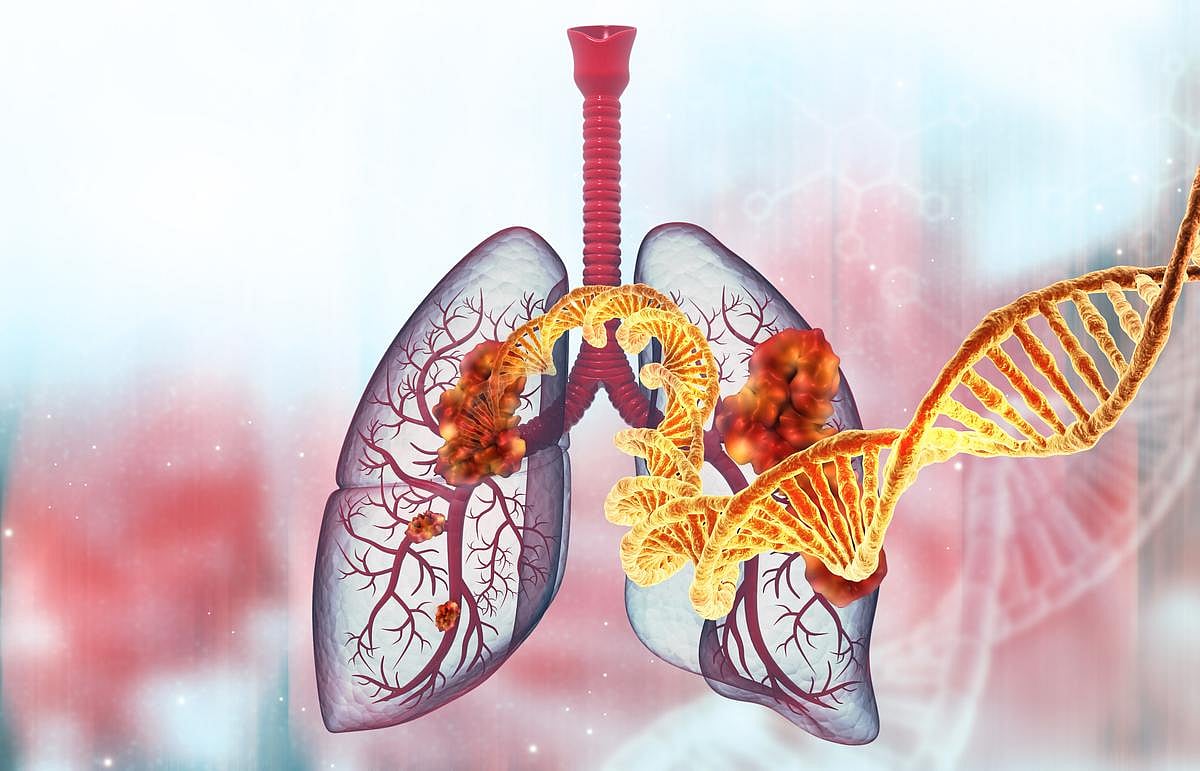 Gene Mutation Identified That Increases Lung Cancer Risk
  Retinal Imaging Can ID Atrial Fibrillation Years Before Diagnosis
  U.S. Adults May Not Understand Their Risk for Vascular Disease
  NOACs Linked to Slower Cognitive Decline in Patients With A-Fib, Alzheimer Disease
  Machine Learning Model IDs Heart Failure With Reduced Ejection Fraction Using Routine Lab Indicators
  Addition of CAC to PREVENT-ASCVD Equations May Improve Predictive Utility in Certain Patients



.jpg)