


No significant increase in hazard ratios seen for GI events for semaglutide versus dulaglutide, tirzepatide versus dulaglutide, tirzepatide versus semaglutide
FRIDAY, Nov. 7, 2025 (HealthDay News) — For patients with type 2 diabetes (T2D), the gastrointestinal safety profile is similar for dulaglutide, semaglutide, and tirzepatide, according to a study published online Nov. 4 in the Annals of Internal Medicine.
Salvatore Crisafulli, Ph.D., from Brigham and Women”s Hospital and Harvard Medical School in Boston, and colleagues compared the risk for severe gastrointestinal adverse events across dulaglutide, subcutaneous semaglutide, and tirzepatide in patients with T2D in a new-user, active-comparator cohort study. Participants were adults with T2D initiating dulaglutide, subcutaneous semaglutide, and tirzepatide between Jan. 1, 2019, and Aug. 30, 2024, in three cohorts corresponding to three pairwise comparisons.
There were 65,238, 20,893, and 46,620 matched pairs in the semaglutide versus dulaglutide cohort, the tirzepatide versus dulaglutide cohort, and the tirzepatide versus semaglutide cohort, respectively. The researchers found the hazard ratios for gastrointestinal events were 0.96 (95 percent confidence interval, 0.87 to 1.06), 0.96 (95 percent confidence interval, 0.77 to 1.20), and 1.07 (95 percent confidence interval, 0.90 to 1.26) in the semaglutide versus dulaglutide cohort, the tirzepatide versus dulaglutide cohort, and the tirzepatide versus semaglutide cohort, respectively.
“In this large observational study based on nationwide U.S. data, dulaglutide, subcutaneous semaglutide, and tirzepatide showed similar gastrointestinal safety profiles in patients with T2D initiating treatment with these medications,” the authors write.
Abstract/Full Text (subscription or payment may be required)
 Blinatumomab Improves Event-Free Survival in Children With High-Risk B-Cell ALL
  People With ADHD Experience 50 Percent More GI Symptoms
  Study IDs Risk Factors for Ketoacidosis in Adults With T2D Receiving SGLT2 Inhibitors
 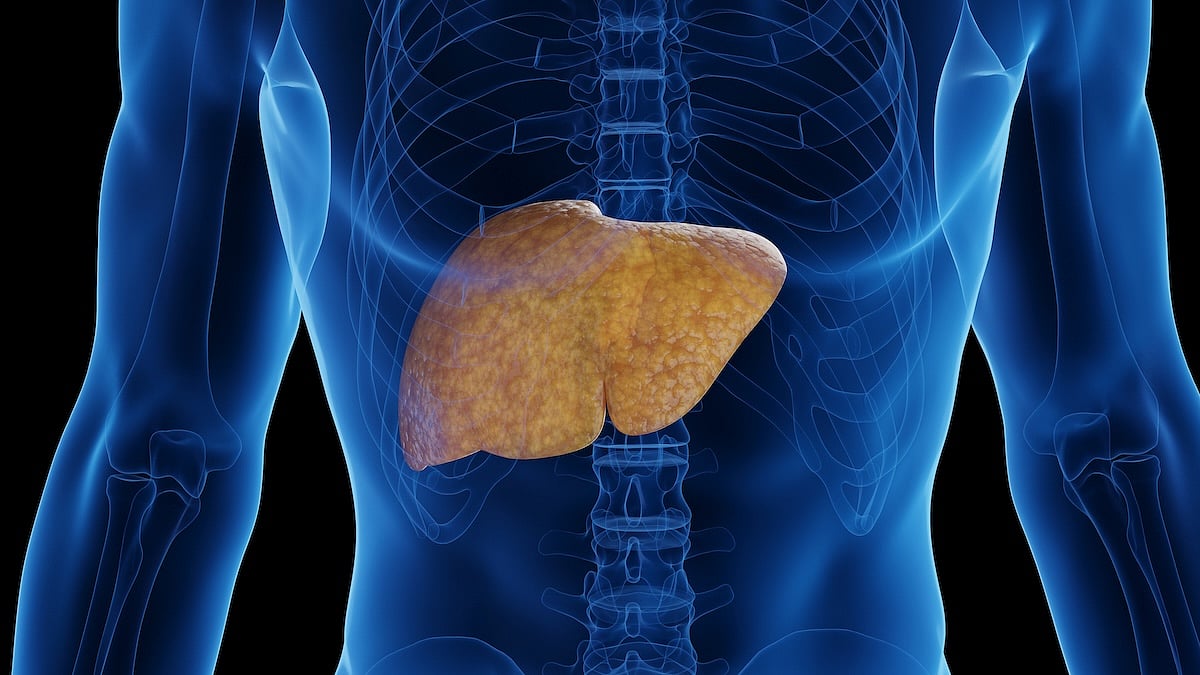 Genetics, Diabetes Tied to MASLD-Associated Cirrhosis Before Age 50
  Cirrhosis Can Recur After Liver Transplant
  Family History of CRC Increases CRC Risk Similarly in IBD, General Population
 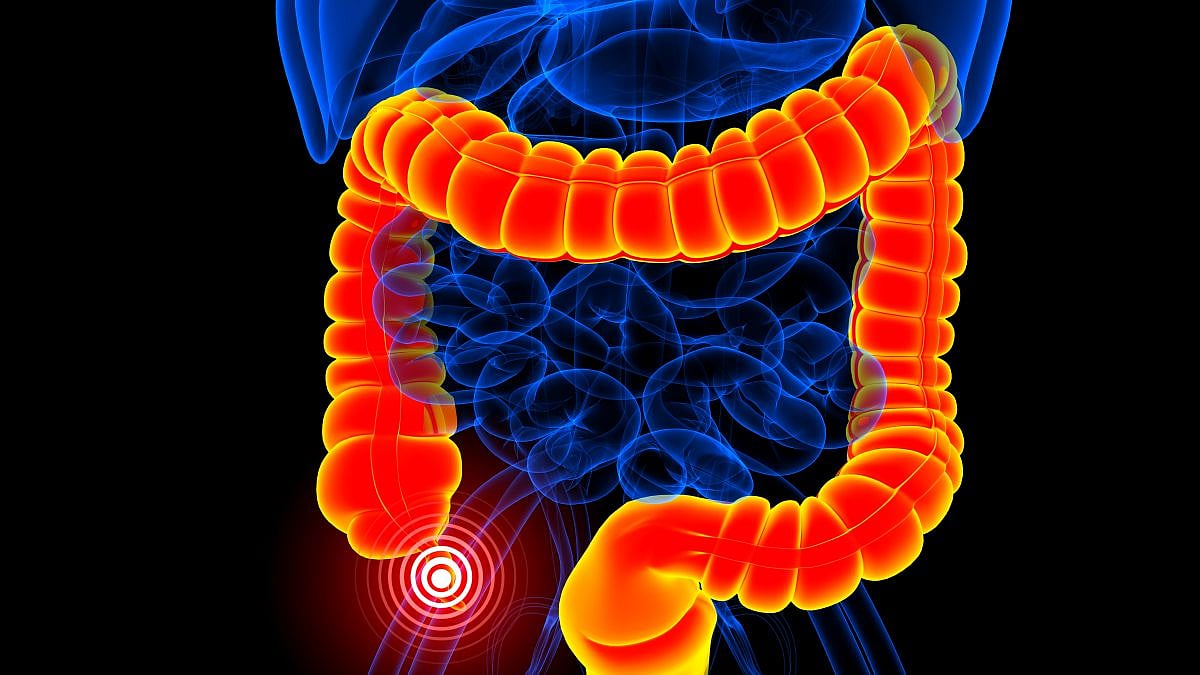 Relapse Rare After Appendiceal Adenocarcinoma Resection
  Long-Term Medication Adherence Tied to Lower Cardiovascular Event Rate in Type 2 Diabetes



.jpg)