


60 percent of adolescents and 76.4 percent of young adults were female; 45.7 and 46.3 percent resided in the South
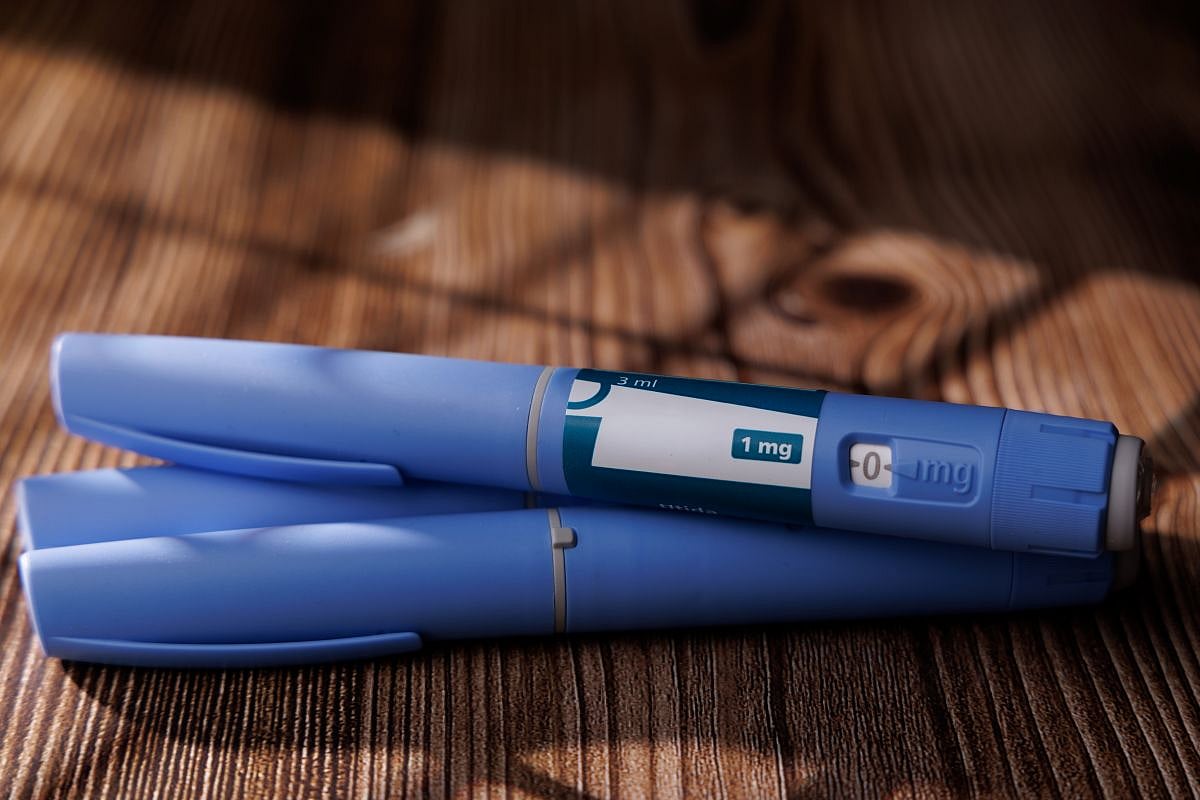
WEDNESDAY, May 22, 2024 (HealthDay News) — For adolescents and young adults, glucagon-like peptide-1 receptor agonist (GLP-1 RA) dispensing increased from 2020 to 2023, according to a research letter published online May 22 in the Journal of the American Medical Association.
Joyce M. Lee, M.D., M.P.H., from the University of Michigan Medical School in Ann Arbor, and colleagues examined GLP-1 RA dispensing nationally during 2020 to 2023 among adolescents and young adults using data obtained from the IQVIA Longitudinal Prescription Database.
The researchers observed an increase in the number of adolescents and young adults with GLP-1 RA dispensing, from 8,722 to 60,567 (594.4 percent), between 2020 and 2023. For comparison, a 3.1 percent decrease was seen in the number with dispensation of drugs other than GLP-1 RAs. The number of male and female adolescents with GLP-1 RA dispensing increased 503.8 and 587.5 percent, respectively. The number of male and female young adults with GLP-1 RA dispensing increased 481.1 and 659.4 percent, respectively. Overall, 60.0 percent of the adolescents dispensed a GLP-1 RA in 2023 were female and 45.7 percent resided in the South. Among young adults, the corresponding proportions were 76.4 and 46.3 percent. In both age groups, the last dispensed prescription in 2023 was most often for semaglutide for type 2 diabetes.
“Evaluation of the long-term safety, efficacy, and cost-effectiveness of GLP-1 RAs in adolescents and young adults is needed,” the authors write.
Two authors disclosed ties to the pharmaceutical industry.
Abstract/Full Text (subscription or payment may be required)
.jpg) Pregnancy Complications Linked to Subsequent Risk for Cardiometabolic-Renal Conditions
Pregnancy Complications Linked to Subsequent Risk for Cardiometabolic-Renal Conditions .jpg) Considerable Gaps Reported in Care for Youth With Opioid Use Disorder
Considerable Gaps Reported in Care for Youth With Opioid Use Disorder  GLP-1 Receptor Agonists, SGLT-2is Slow Renal Function Decline in T2D With Albuminuria
  Nutritional Deficiencies Seen in Youth Taking GLP-1 Receptor Agonists
  Eating More Ultraprocessed Foods Heightens Risk for Chronic Diseases
 .jpg) Mortality Lowest at Hemoglobin Concentrations Above WHO Thresholds
Mortality Lowest at Hemoglobin Concentrations Above WHO Thresholds  Oral Vitamin C Active in Clonal Cytopenia of Undetermined Significance
  2009 to 2023 Saw Surge in Probiotic Supplement Use




.jpg)