


In multivariable analyses after adjustment for demographics and smoking status, odds ratio was 2.21 for eczema in areas with higher PM2.5
WEDNESDAY, Nov. 13, 2024 (HealthDay News) — The odds of eczema are increased with greater exposure to fine particulate matter of diameter ≤2.5 μm (PM2.5), according to a study published online Nov. 13 in PLOS ONE.
Gloria F. Chen, from the Yale School of Medicine in New Haven, Connecticut, and colleagues examined the risk for eczema with PM2.5 exposure in a diverse national cohort of American adults in a cross-sectional study. Eczema cases in the All of Us Research Program were linked via three-digit zip code to average annual PM2.5 concentrations from the Center for Air, Climate, and Energy Solutions.
The researchers found that the 12,695 individuals with eczema lived in areas with significantly higher PM2.5 concentrations than the 274,127 without eczema (0.83 versus 0.81 x 10 µg/m3). In a univariate analysis, PM2.5 concentration was significantly associated with eczema (odds ratio, 1.97); the findings persisted in multivariable analyses after controlling for demographics and smoking status (odds ratio, 2.21) and with the addition of atopic comorbidities (odds ratio, 2.38).
“Our finding of an approximately twofold increased risk of eczema per 10 μg/m3 rise in PM2.5 is clinically relevant as well as actionable, as the United States Environmental Protection Agency”s Air Quality Index is based on differences in PM2.5 concentrations of comparable orders of magnitude,” the authors write.
 Air Pollution Does Not Impair Benefits of Walking in Reducing COPD Exacerbation Rate
  Lower Dietary Diversity in First Year Linked to Atopic Dermatitis
  Air Pollution Tied to Higher Risk for Suicide
  Distinct Skin Microbiome Features Emerge Before Atopic Disease Onset in Infants
 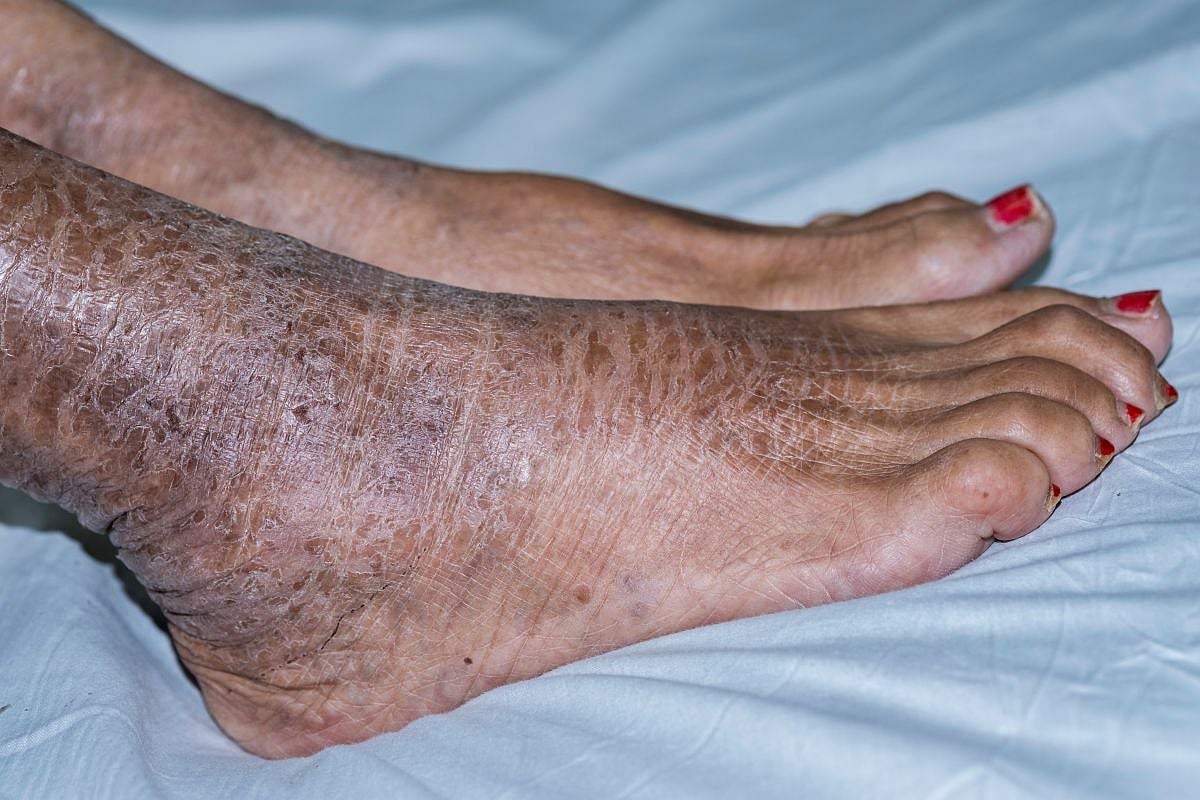 Congenital Ichthyosis Linked to Allergic Disorders
  Gene Mutation Identified That Increases Lung Cancer Risk
  H. Pylori Exposure May Contribute to Global Burden of Colorectal Cancer
  Freshwater Swimming Tied to Stomach Bugs, Skin Conditions

.jpg)


