


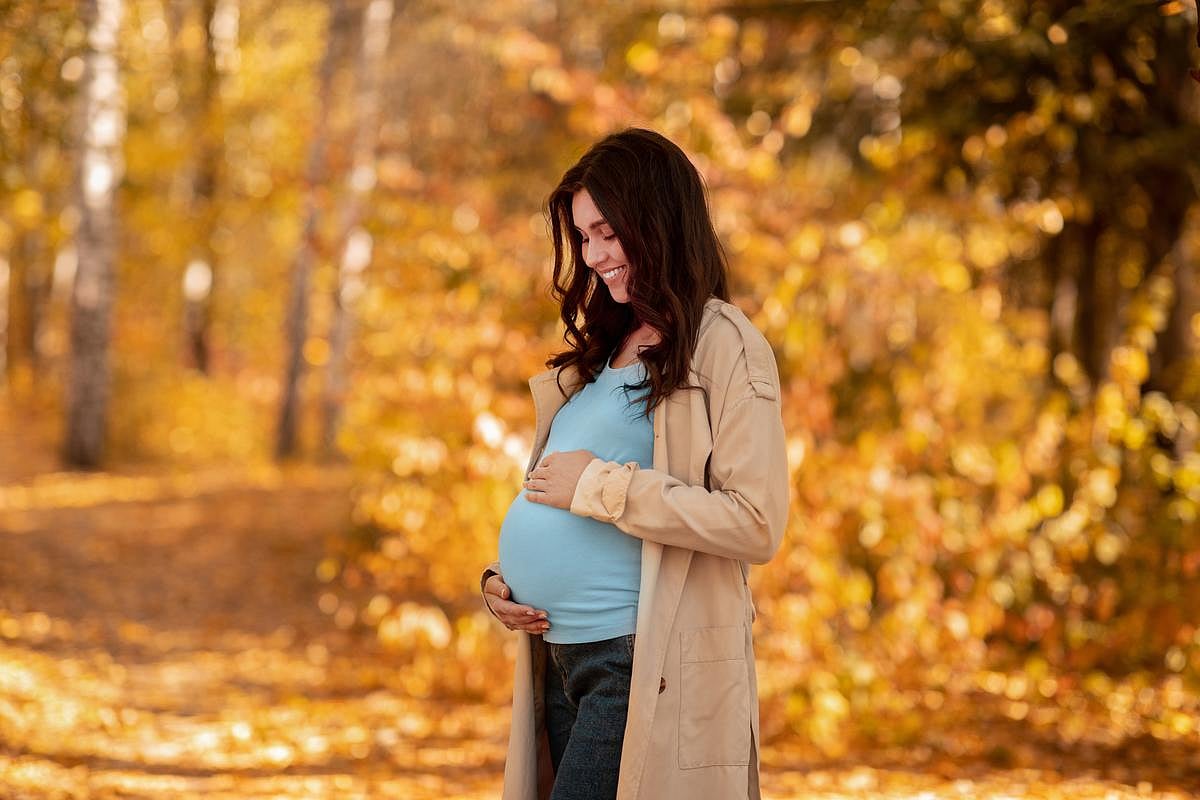
Findings seen for mother-child pairs enrolled in Medicaid and followed for up to 14 years
TUESDAY, July 29, 2025 (HealthDay News) — Living near green spaces before and during pregnancy, as well as in early childhood, may lower the risk for neurodevelopmental disorders, according to a study published in the August issue of Environment International.
Hayon Michelle Choi, Ph.D., from the Harvard T.H. Chan School of Public Health in Boston, and colleagues conducted a population-based cohort study to examine the link between exposure to green space before, during, and after pregnancy and neurodevelopmental delays in children. The analysis included approximately 1.85 million mother-child pairs identified from the Medicaid Analytic Extract (2001 to 2014), with up to 14 years of follow-up.
The researchers found protective associations between green space exposure and most neurodevelopmental disorders. Per interquartile range increase in the Normalized Difference Vegetation Index, the strongest associations were seen for preconception exposure and intellectual disability (hazard ratio [HR], 0.66), pregnancy exposure and autism spectrum disorder (HR, 0.83), and postnatal exposure for learning difficulties (HR, 0.81). The protective effects were stronger for Black/Hispanic children and for those living in urban areas.
“These findings suggest that increasing green space access could be a potentially modifiable environmental strategy to reduce the risk of neurodevelopmental disorders among children, especially in vulnerable, low-income populations,” senior author Stefania Papatheodorou, M.D., Ph.D., also from Harvard, said in a statement. “It also suggests that urban planning strategies that enhance residential greenness may have long-term developmental benefits for children.”
 Maternal Vitamin D Status Linked to Preterm Delivery
 .jpg) Time-Restricted Eating Shows Possible Benefits for Patients With Huntington Disease
Time-Restricted Eating Shows Possible Benefits for Patients With Huntington Disease  IBD Not Linked to Risk for Hypertensive Disorders of Pregnancy Overall
  Mom"s Poor Sleep in Late Pregnancy Linked to Offspring"s Obesity Risk in Early Childhood
  High Intake of Eggs, Peanuts in Pregnancy Does Not Lower Allergy Risk
  Altered Markers of Ovarian Development Seen With Fetal Acetaminophen Exposure
  Autism Spectrum Disorder Diagnoses Increased for Females Since 2020



.jpg)
