Vessel mapping is essential for successful pAVF creation; interventional radiologists should participate in mapping, authors say
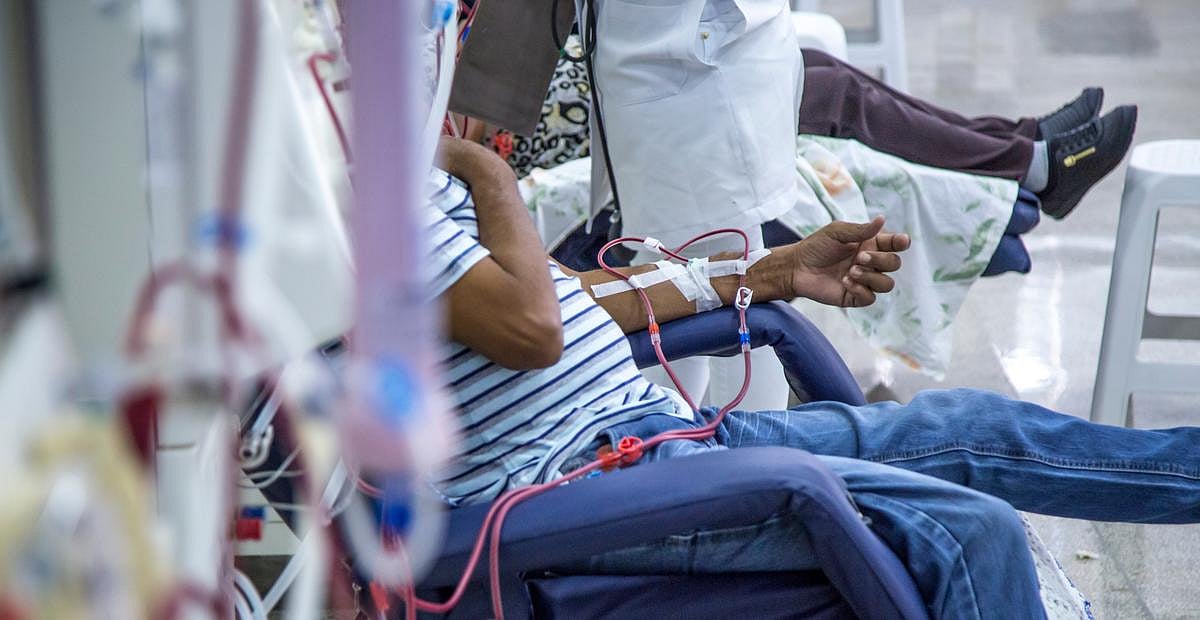
THURSDAY, Sept. 18, 2025 (HealthDay News) — In a guidance document issued by the Society of Interventional Radiology Practice and published online Sept. 9 in the Journal of Vascular and Interventional Radiology, recommendations are presented for the creation and maturation of percutaneous arteriovenous fistulas (pAVFs) for hemodialysis access.
Bart L. Dolmatch, M.D., from El Camino Hospital in Mountain View, California, and colleagues developed consensus recommendations for the creation and maturation of pAVFs for hemodialysis access based on peer-reviewed literature.
The researchers noted that a thorough patient history and physical examination should note any prior or current thoracic central venous devices that may result in venous obstruction. For successful pAVF creation, the authors say vessel mapping is essential; whenever possible, interventional radiologists should participate in mapping. Patients should be aware that many of the fistulas will require additional procedures to ensure fistula maturation, although the technical success of pAVF creation is >95 percent. The rates of successful cannulation are approximately 80 percent. Patient comfort is enhanced by brachial plexus block during pAVF creation; for effective brachial plexus block, the authors note that an ultrasound-guided approach is essential. Physicians must complete specific training before performing pAVF procedures. During initial procedures, clinical specialists typically assist. Precise catheter alignment and often partial deep brachial vein occlusion are involved in successful creation of a pAVF. The interventionalist is responsible for pAVF management postprocedure, which usually involves a follow-up visit after one to two weeks, including a physical exam and ultrasound.
“This guideline helps ensure that interventional radiologists are recognized as vital members of the patient care team, which will be foundational to improving patient outcomes,” Robert A. Lookstein, M.D., president of the Society of Interventional Radiology, said in a statement.
Abstract/Full Text (subscription or payment may be required)
 Biomarkers Plus Kidney Donor Profile Index Improve Prediction of Concordant Allograft Outcomes
  2011 to 2021 Saw Heart Failure-Related Hospitalization Rise in CKD
  Short-Term Pretransplant Dialysis Does Not Affect Kidney Transplant Outcomes
  Extreme Heat Linked to 33 Clinically Reportable Diagnoses
  Freshwater Swimming Tied to Stomach Bugs, Skin Conditions
  Therapist-Led Online Cognitive Behavioral Therapy Aids Depression
  Considerable Global Disparities Found in Access to Dermatological Care
  Habitual Fasting May Be Harmful for Older Adults