


Collinsella, Oscillospirales, and Ruminococcaceae have a greater impact on epilepsy with cognitive dysfunction
WEDNESDAY, Oct. 16, 2024 (HealthDay News) — There is an imbalance in the gut flora of patients with epilepsy compared with healthy controls, according to a study published online Sept. 28 in the Journal of Health, Population and Nutrition.
BingCong Hong, from the Quanzhou First Hospital Affiliated to Fujian Medical University in China, analyzed differences in gut flora between patients with epilepsy with and without cognitive impairment (62 and 38 patients, respectively) and normal controls (100 controls).
The researcher found more significant differences in the structure and composition of the gut flora between patients in the epilepsy group and the control group but no significant differences in a diversity analysis (P > 0.05). Actinobacteriota, Faecalibacterium, and Collinsella were significantly lower in the group with cognitive impairment than the group without (P < 0.05), while the Alpha diversity index was numerically slightly smaller than that seen in the no cognitive impairment group. Both epilepsy groups had a more dispersed situation. Glycolysis and heterolactic fermentation were upregulated in the group with cognitive impairment. Collinsella, Oscillospirales, and Ruminococcaceae, markers for the presence or absence of comorbid cognitive impairment, had a greater impact on epilepsy combined with cognitive impairment.
“Gut flora could be an important factor in the evaluation of cognitive impairment in combination with epilepsy,” Hong writes.
 Drug Interactions Reducing Contraceptive Effectiveness Common in Epilepsy
  Frequent Cannabis Use Linked to Epilepsy Severity
  PET/MRI Offers Diagnostic, Prognostic Value in Pediatric Epilepsy
  Distinct Skin Microbiome Features Emerge Before Atopic Disease Onset in Infants
  Lower Dietary Diversity in First Year Linked to Atopic Dermatitis
  Congenital Ichthyosis Linked to Allergic Disorders
  Gene Mutation Identified That Increases Lung Cancer Risk
 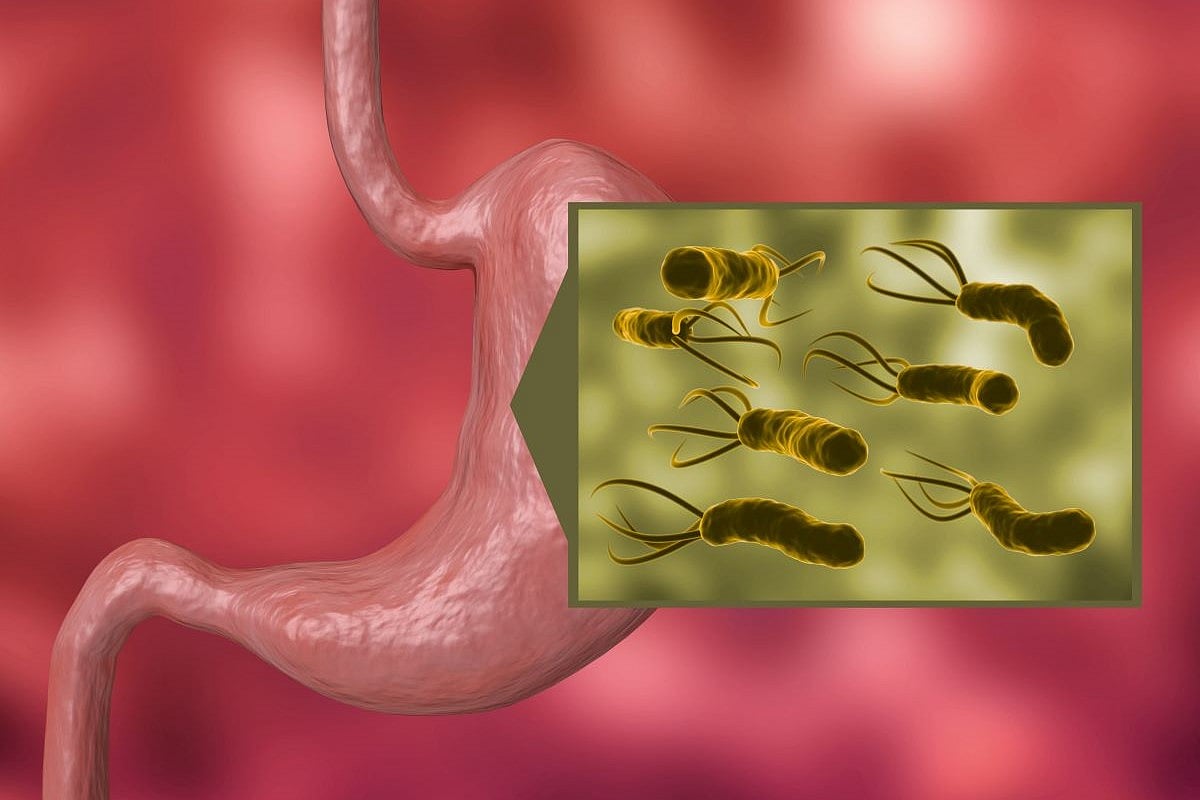 H. Pylori Exposure May Contribute to Global Burden of Colorectal Cancer


.jpg)

