


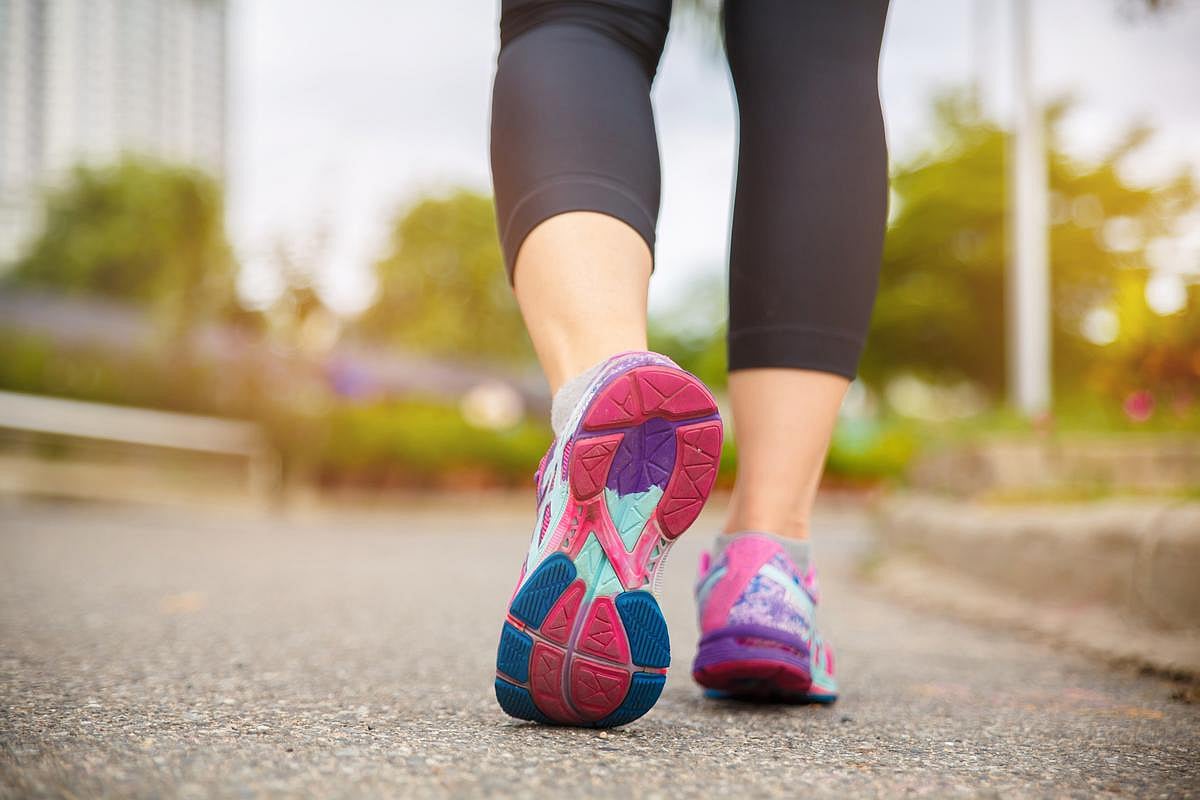
Joint and muscular discomfort, weight gain, sleep problems, physical and mental exhaustion perceived to most negatively affect training
FRIDAY, Jan. 2, 2026 (HealthDay News) — The frequency of menopausal symptoms is high among female endurance athletes, and several symptoms are perceived to negatively affect training and performance, according to a study published online Dec. 17 in PLOS ONE.
Heather M. Hamilton, D.P.T., Ph.D., from Old Dominion University in Norfolk, Virginia, and colleagues examined the frequency and perceived negative effect of menopausal symptoms among female endurance athletes. A total of 187 female runners, cyclists, swimmers, and triathletes aged 40 to 60 years were recruited. Participants completed a survey that included self-reported menopausal status, menopausal symptoms, and the perceived effect of menopausal symptoms on training and performance.
The researchers found that sleep problems, physical and mental exhaustion, sexual problems, anxiety, irritability, depressive mood, weight gain, hot flushes, and joint and muscular discomfort were the most commonly reported menopausal symptoms (88, 83, 74, 72, 68, 67, 67, 65, and 63 percent, respectively). Joint and muscular discomfort, weight gain, sleep problems, and physical and mental exhaustion were the symptoms that were perceived to most negatively affect training and performance. Higher total Menopausal Rating Scale scores were seen for participants with a perceived strong negative effect of symptoms on training and performance versus those reporting no negative effect or slight negative effect of symptoms on training and performance.
“Health care providers and rehabilitation clinicians need to address these symptoms in this population to promote continued participation in physical activity,” the authors write.
 Rates of Pediatric E-Bicycle, E-Scooter Injuries Increasing
 Women With Autism May Experience More Severe Menopause
 Oral Menopausal Hormone Therapy Linked to Venous Thromboembolic Risk
 MHT Initiation May Reduce Cardiovascular Risk in Women With Vasomotor Symptoms
 Few Meet Major Clinical Response Criteria After Treatment Escalation for Lupus
 Pre-Prostate Biopsy MRI Use Increased From 2017 to 2026
 Longer Reproductive Lifespan Tied to Lower Bronchiectasis Risk in Postmenopausal Women
 Midlife Onset of Increasing Pulse Pressure Not Linked to Menopause
.jpg)




