


In contrast, Western diets, inflammatory pattern diets, and low-carbohydrate diets increase risk
THURSDAY, July 17, 2025 (HealthDay News) — Dietary patterns emphasizing plant-based foods and healthy fats may protect against constipation, according to a study published online July 2 in Gastroenterology.
Yiqing Wang, Ph.D., from Massachusetts General Hospital in Boston, and colleagues examined the associations between five dietary patterns, their components, and incident constipation. The analysis included pooled data from 27,774 participants in the Nurses’ Health Study (NHS), 55,906 from NHSII, and 12,237 from the Health Professional Follow-Up Study.
The researchers found that during two to four years of follow-up, the top versus lowest quintiles of the alternate Mediterranean (aMED) diet and plant-based dietary index (PDI) were associated with 16 and 20 percent reduced risks for constipation, respectively. The top quintiles of an empirical dietary inflammatory pattern, Western diet, and low-carbohydrate diet were associated with 24, 22, and 3 percent increased risks for constipation, respectively. These associations persisted regardless of total fiber or ultraprocessed food intake. Vegetable and nut intake, components of aMED and PDI diets, were associated with lower constipation risks.
“Our findings suggest that as we age, certain healthy diets may provide benefits to our gut beyond the known cardiovascular benefits,” senior author Kyle Staller, M.D., M.P.H., also from Massachusetts General Hospital, said in a statement.
Several authors disclosed ties to the pharmaceutical and biotechnology industries.
Abstract/Full Text (subscription or payment may be required)
 People With ADHD Experience 50 Percent More GI Symptoms
 .jpeg) Higher Intake of Saturated, Animal Fats May Increase Mortality in Prostate Cancer
Higher Intake of Saturated, Animal Fats May Increase Mortality in Prostate Cancer 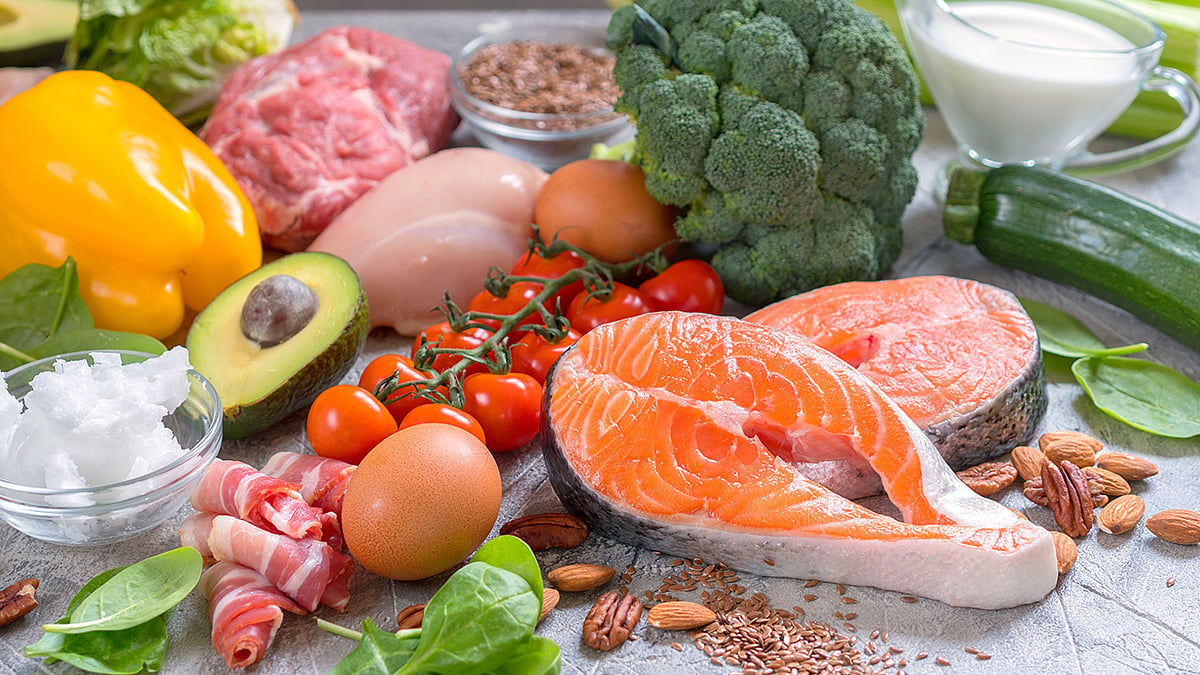 Very Low-Carb Diet Shows Greater Cardiometabolic Benefits Than Other Diets
  Healthy Lifestyle in Early Childhood Linked to Lower Risk for IBD
  Serum 25(OH)D May Serve as Biomarker of Disease Activity in IBD
  Family History of CRC Increases CRC Risk Similarly in IBD, General Population
  Bowel Urgency in Ulcerative Colitis Linked to Disease-Related Disability
  Emergency Diagnosis Linked to Worse Outcomes for Range of Conditions


.jpg)

