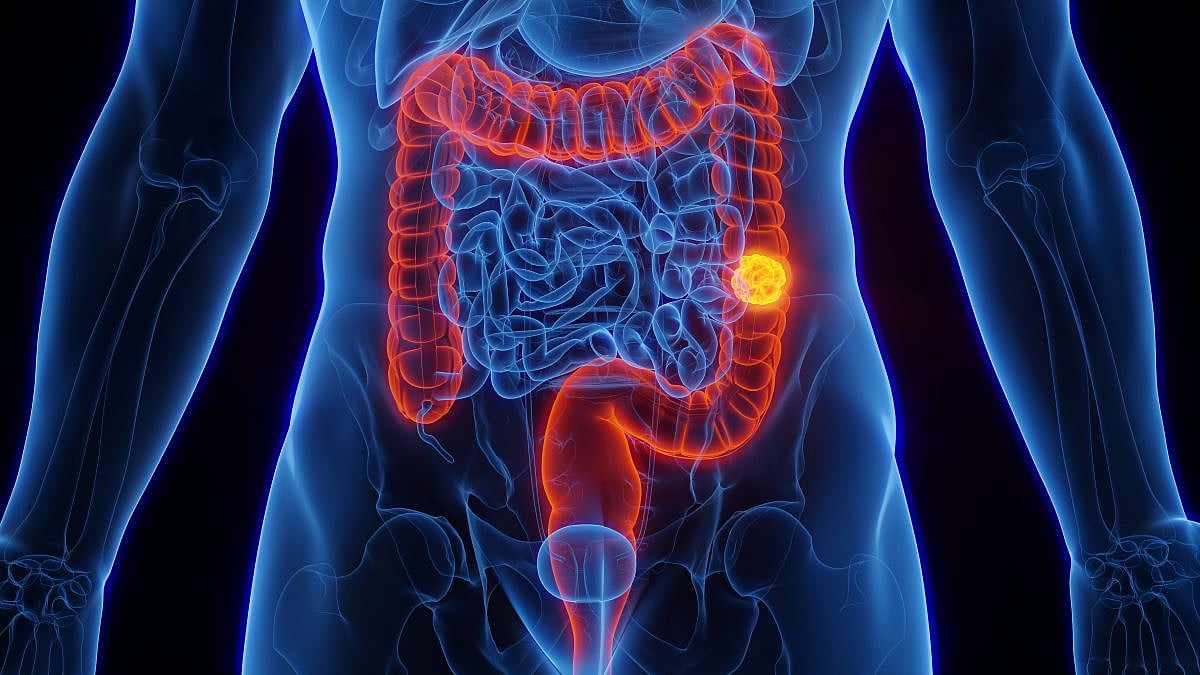
Significant reduction in reactivity to personal cues in all groups and reduction in number of leaks
FRIDAY, June 13, 2025 (HealthDay News) — Mindfulness (MI) and transcranial direct current stimulation (tDCS) of the dorsolateral prefrontal cortex offer therapeutic benefit for reducing situational urgency urinary incontinence (UUI) symptoms in women, according to a study published online in the June issue of Continence.
Cynthia A. Conklin, Ph.D., from the University of Pittsburgh, and colleagues examined the independent and combined efficacy of MI and tDCS to attenuate reactivity to scenarios that can trigger UUI and to reduce UUI symptomatology. Women aged over 40 years reporting regular situationally triggered UUI with at least two leaks per week were included in the study. Personal urgency and safe (nonurgency) photographic cues were created by participants who were then randomly assigned to MI, tDCS, or MI+tDCS (20, 18, and 20, respectively) interventions conducted during exposure to personal urgency images.
The researchers found that there was a significant reduction in reactivity to personal cues in all groups, and there was a reduction in attentional bias to toileting words in the MI+tDCS group. In all groups, the number of leaks decreased significantly between 0.81 and 0.95 episodes per day. In the MI+tDCS group, daily urgency decreased significantly by 1.76 episodes. The reduction in ICIQ-FLUTS score was clinically meaningful at one-week follow-up. High feasibility and high rates of acceptability were demonstrated by the interventions, with participant compliance over 90 percent across groups.
“Although we need to do more research, these results are really encouraging because they suggest that a behavioral tool like mindfulness can be an alternative or additional way to improve symptoms,” Conklin said in a statement.
 Electroacupuncture Accelerates Postprostatectomy Urinary Continence Recovery
  Remote Access to Urinary Incontinence Treatments Aids Women Veterans
  Blue Laser Vaporization Effective for Benign Prostatic Hyperplasia
  Men 50 Years and Older Seem to Have Insufficient Knowledge Toward BPH
  Aglatimagene Besadenovec + Valacyclovir Ups DFS in Localized Prostate Cancer
  Telesurgery Feasible for Urological Robotic Operations
  Cooled Laser Focal Therapy Has High Treatment Success for Localized Prostate Cancer