Physical activity attenuates survival disparity between patients with stage III colon cancer and matched population controls
MONDAY, Feb. 24, 2025 (HealthDay News) — For patients with stage III colon cancer participating in clinical trials, physical activity is associated with an attenuation of the survival disparity relative to the matched general population (MGP), according to a study published online Feb. 24 in Cancer.
Justin C. Brown, Ph.D., from the Pennington Biomedical Research Center in Baton Rouge, Louisiana, and colleagues analyzed data from two National Cancer Institute-sponsored postoperative treatment trials (Cancer and Leukemia Group B [CALGB] 89803 and 80702) of stage III colon cancer involving 2,876 patients who self‐reported physical activity.
The researchers found that among patients who were alive at three years in CALGB 89803, those with <3.0 and ≥18.0 metabolic-equivalent (MET)-hours per week had subsequent overall survival rates that were −17.1 and −3.5 percent lower, respectively, than the MGP derived from the National Center for Health Statistics. The corresponding three-year overall survival rates in CALGB 80702 were −10.8 and −4.4 percent lower than the MGP. In pooled analyses of 1,908 patients who were alive and did not have tumor recurrence by year 3, subsequent three-year overall survival rates were −3.1 percent lower and 2.9 percent higher than the MGP for those with <3.0 and ≥18.0 MET-hours/week, respectively.
“Among patients with stage III colon cancer enrolled in trials of postoperative treatments, participation in physical activity was associated with an attenuation of the survival disparity between colon cancer patients and the MGP,” the authors write. “Achieving a survival rate comparable to the MGP is conditional on remaining tumor recurrence-free.”
Two authors disclosed ties to the pharmaceutical industry.
 Structured Exercise Should Be Considered as Adjunct Therapy for Cancer
  Strength Training Not Tied to Ventricular Arrhythmia in Those With Arrhythmogenic Cardiomyopathy
 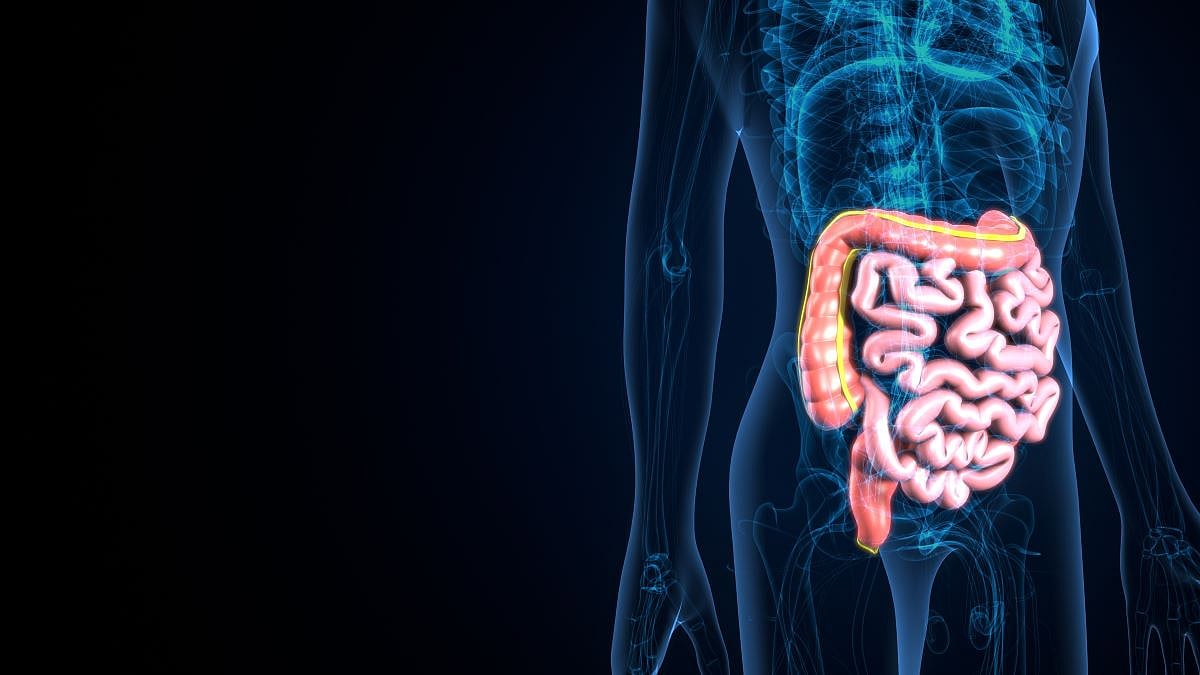 Family History of CRC Increases CRC Risk Similarly in IBD, General Population
 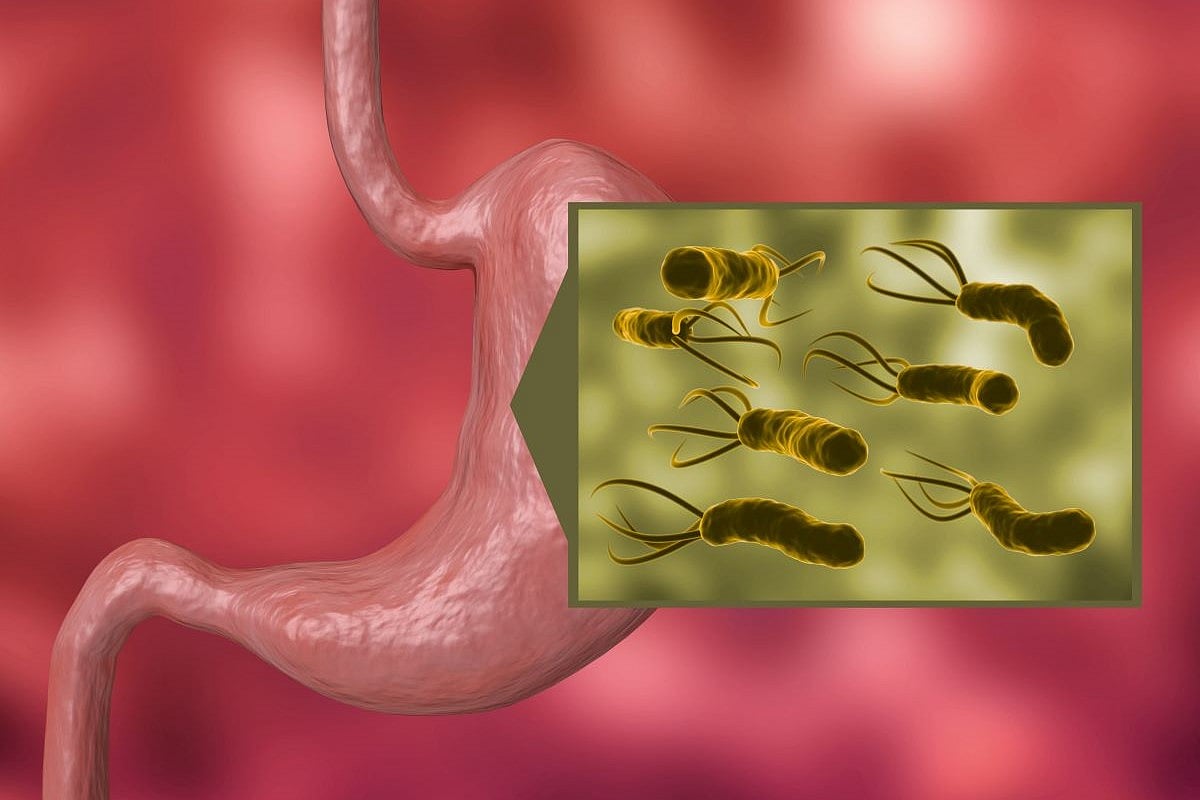 H. Pylori Exposure May Contribute to Global Burden of Colorectal Cancer
  Distinct Skin Microbiome Features Emerge Before Atopic Disease Onset in Infants
  Freshwater Swimming Tied to Stomach Bugs, Skin Conditions
  Couples" Coping Skills Help Reduce Depression in GI Cancer Survivors
 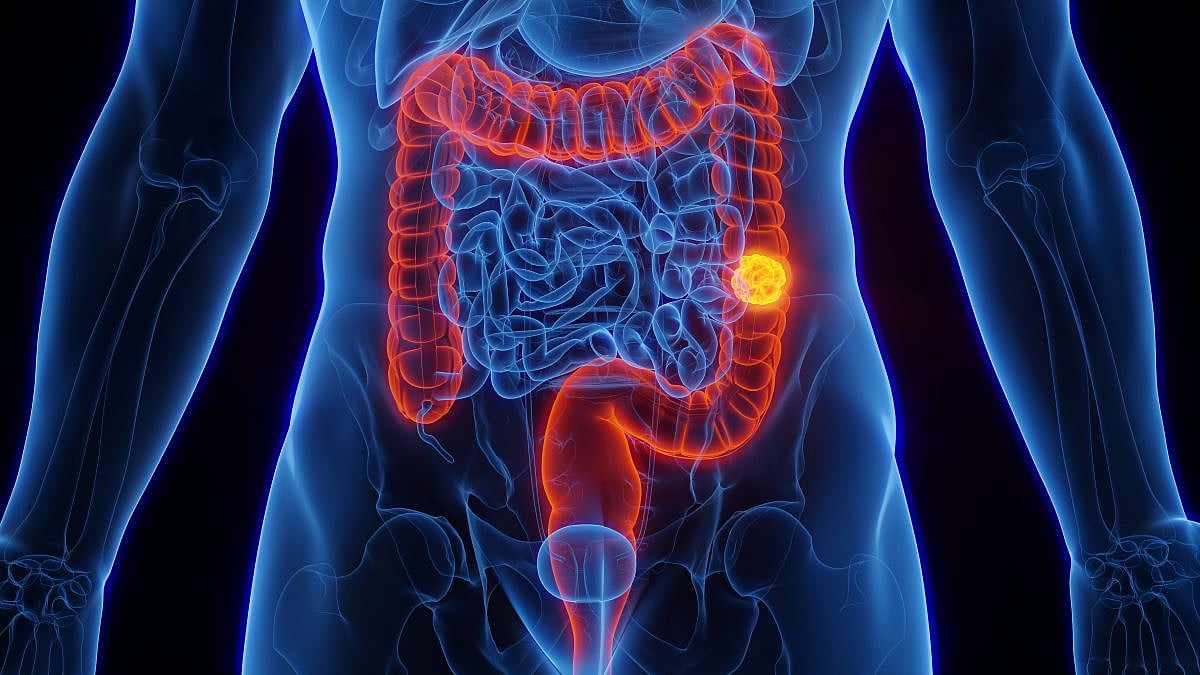 Organized, Biennial FIT-Based Screening Linked to Lower Colorectal Cancer Mortality