However, relief does not translate into measurable improvements in visual task performance or tear film metrics
TUESDAY, Jan. 13, 2026 (HealthDay News) — Preservative-free artificial tears reduce subjective symptoms in people with digital eye strain (DES) and dryness symptoms, according to a study published online Dec. 26 in Scientific Reports.
Sara Ortiz-Toquero, Ph.D., from the Universidad de Valladolid in Spain, and colleagues investigated the effects of preservative-free artificial tears (four times daily for one month) on ocular symptoms, visual task performance, and tear film stability in 30 visual display terminal (VDT) users with DES and dryness symptoms.
The researchers found that VDT users” symptoms, as measured by the Computer-Vision Symptom Scale and Ocular Surface Disease Index, improved after artificial tear use at the final visit. There were no significant changes seen in out-loud reading speed, although there was a slight improvement in the normalized value after computer use between the initial and final visits. For blink rate, eye fixations, noninvasive tear film break-up time, and tear meniscus height, there were no significant differences observed.
“The current study sets the stage for future research aimed at evaluating the impacts of artificial tears on enhancing symptoms related to DES,” the authors write.
 Moderate Screen Use Linked to Faster Recovery Among Youth After Concussion
 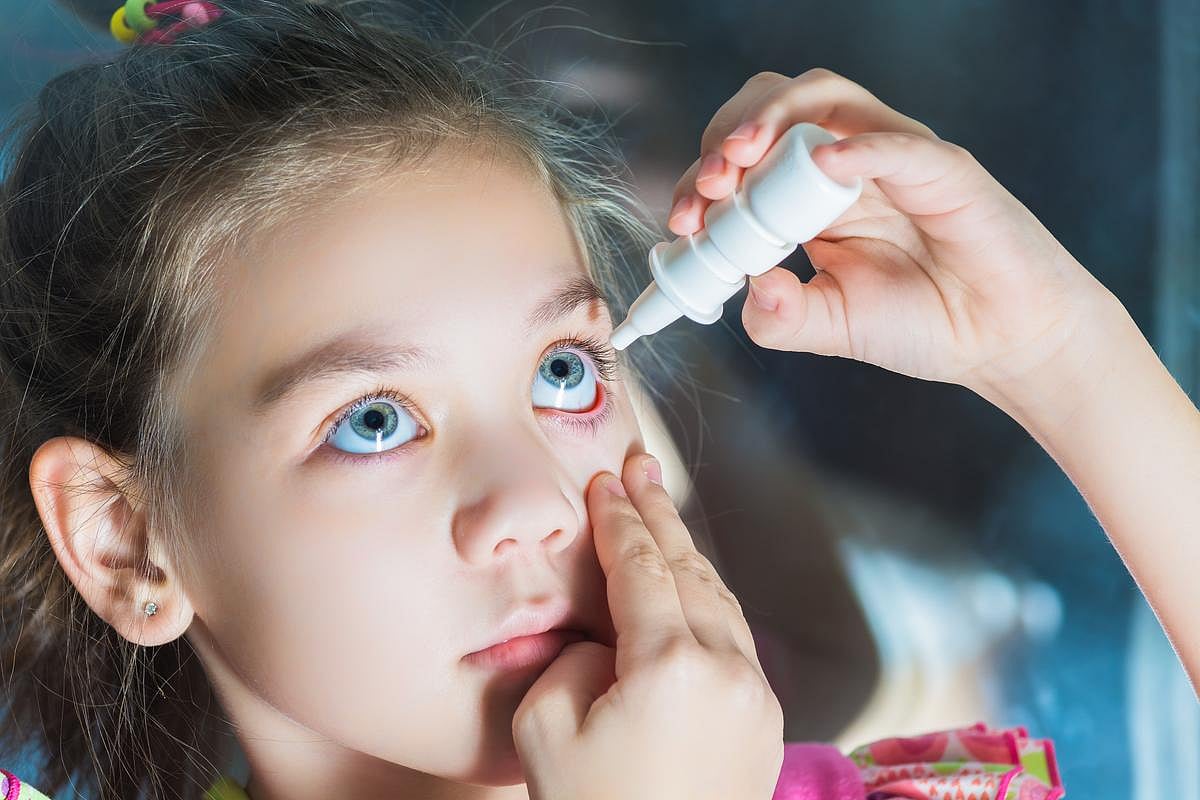 Atropine Eye Drops Reduce Myopia Progression in Children
  Computer-Aided Design and Manufacturing Assists Jaw Reconstruction
  Digital Technology Linked to Lower Rates of Cognitive Decline in Adults Older Than 50
  Study IDs Dementia Risk Factors in Those Older Than 90 Years
  Emergency Presentation of Cancer Common in Older Adults
  Seniors Undergoing High-Risk Emergency General Surgery Have Fewer Healthy Days at Home
  Obesity Has Increased Significantly in U.S. Adults and Youths Since 1999