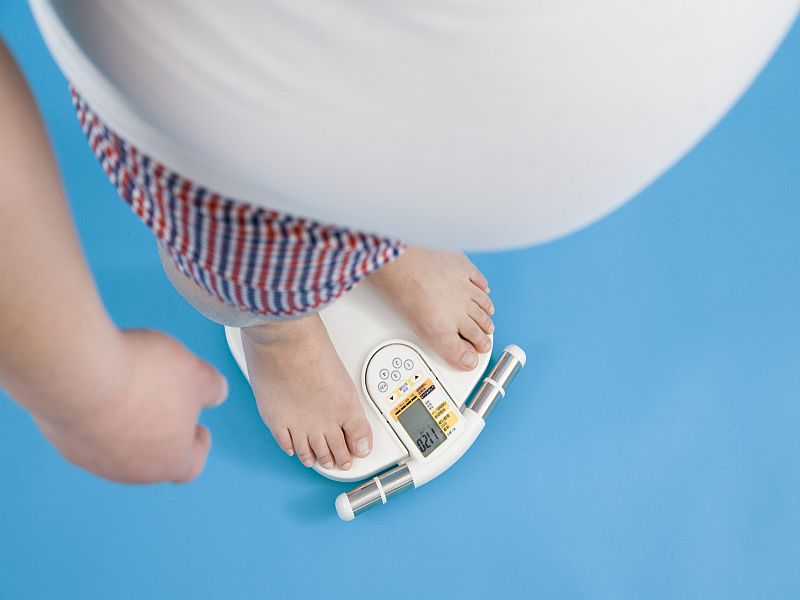
 Population-attributable fraction varied from 3.9 percent in Montana to 6.0 percent in Texas for men
WEDNESDAY, Jan. 2, 2019 (HealthDay News) — A considerable proportion of cancer cases in men and women are attributable to excess body weight (EBW), with variation in the proportion among states, according to a study published online Dec. 27 in JAMA Oncology.
Farhad Islami, M.D., Ph.D., from the American Cancer Society in Atlanta, and colleagues used state-level, self-reported body mass index data from the Behavioral Risk Factor Surveillance System to calculate the population-attributable fraction (PAF) of incident cancer cases attributable to EBW among adults aged 30 years or older in 2011 to 2015.
The researchers found that an estimated 37,670 cancer cases in men (4.7 percent of all cancer cases) and 74,690 cancer cases in women (9.6 percent of all cancer cases) aged 30 years and older were attributable to EBW each year from 2011 to 2015. There was at least a 1.5-fold difference in the proportions of cancers attributable to EBW between states with the highest and lowest PAFs in both men and women. The PAF ranged from 3.9 percent in Montana to 6.0 percent in Texas for men; for women, the PAF varied from 7.1 percent in Hawaii to 11.4 percent in Washington, D.C.
“Health care clinicians and policymakers at the state and federal levels must support efforts to substantially reduce the prevalence of EBW and the associated health burden, as well as disparities through comprehensive and broad implementation of known interventions at individual and community levels,” the authors write.
The American Cancer Society received a grant from Merck for intramural research outside of the submitted work.
Abstract/Full Text (subscription or payment may be required)
 Personalized Support Boosts Families" Genetic Testing for Hereditary Cancers
 .jpg) Cancer Survivors Have Lower Levels of Physical Activity
Cancer Survivors Have Lower Levels of Physical Activity  Pharmacist-Led Med Review Improves Medication Quality in Older Patients With Cancer
  Mindfulness, Tai Chi May Benefit Cancer Survivors
  Ultrasound-Guided Hydrodissection Yields Improvements in Carpal Tunnel
  Exercise Intervention Linked to Improved Attention, Memory in Breast Cancer
  2013 to 2024 Saw Decrease in Benzodiazepine Prescribing
  Physical Therapist-Supervised Exercise Improves Outcomes After ACL Reconstruction