


Participants who experienced one or more microaggressions had 1.88 and 2.19 mm Hg higher systolic BP from days 1 to 10 and 11 to 85
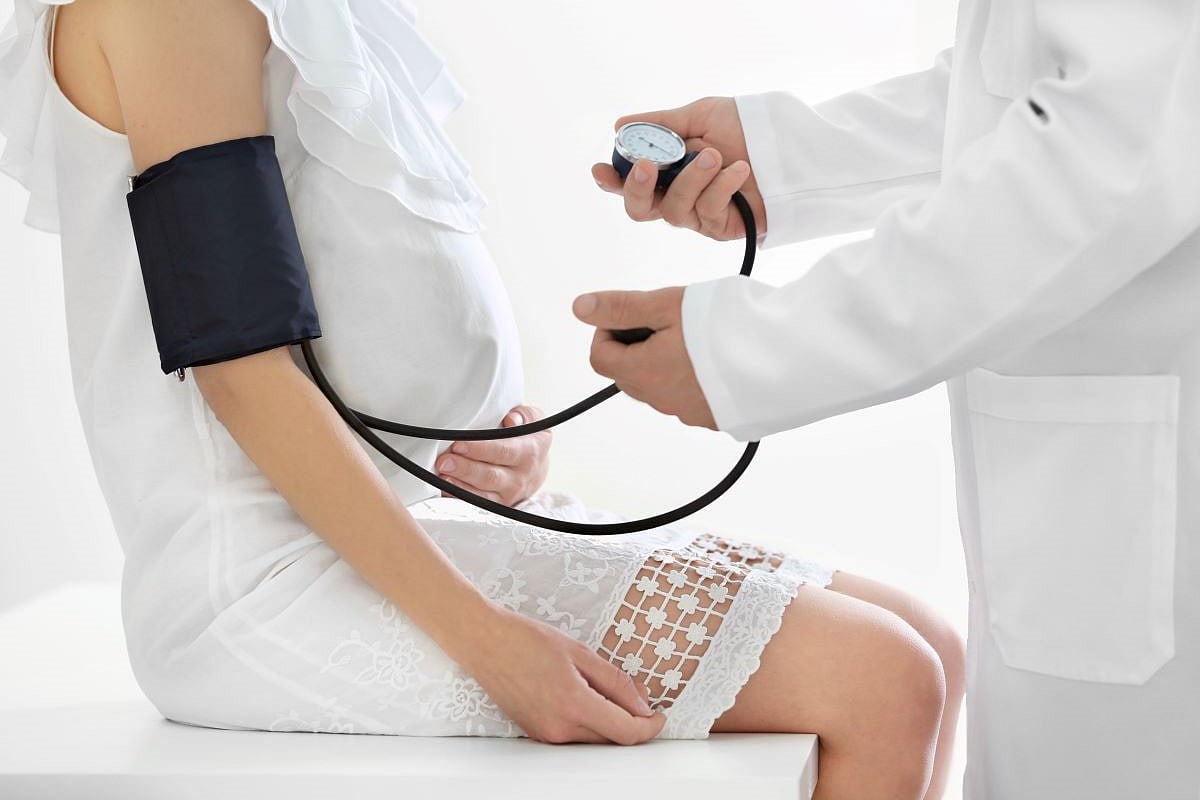
FRIDAY, Jan. 10, 2025 (HealthDay News) — Experiencing at least one microaggression related to race and gender during or after pregnancy is associated with increased postpartum blood pressure (BP), according to a study published online Jan. 9 in Hypertension.
Teresa Janevic, Ph.D., M.P.H., from the Columbia University Mailman School of Public Health in New York City, and colleagues conducted a prospective postpartum cohort study involving 373 Asian, Black, and Hispanic participants in New York City and Philadelphia. The Gendered Racial Microaggression (GRM) in Obstetrics scale was administered at delivery. Mixed models were used to estimate the associations between GRM and mean postpartum systolic and diastolic BP, measured for three months.
Overall, 4.6, 20.9, and 13.4 percent of participants had chronic hypertension, pregnancy hypertension, and preeclampsia, respectively, comprising a hypertensive disorder of pregnancy subgroup (117 participants). The researchers found that 37.5 percent of participants experienced one or more GRM. Those who experienced one or more GRM versus none had 1.88 and 2.19 mm Hg higher systolic BP from days 1 to 10 and days 11 to 85, respectively. A similar pattern was seen for associations with diastolic BP; associations were stronger in the hypertensive disorder of pregnancy subgroup. Compared with those with neither, participants experiencing GRM and a high Structural Racism Effect Index had 7.55 and 6.03 mm Hg higher systolic and diastolic BP, respectively.
“This work serves as a reminder of the long-term impact that racism can have on one’s overall health,” senior author Lisa Levine, M.D., from the University of Pennsylvania Perelman School of Medicine in Philadelphia, said in a statement. “The magnitude of these types of physiologic changes may become cumulative over time and lead to the inequities we see in many health outcomes.”
Abstract/Full Text (subscription or payment may be required)
 Pre-Prostate Biopsy MRI Use Increased From 2017 to 2026
  Isometric Exercise Training Three Times a Week Preserves Cardiovascular Benefits
  Maternal Vitamin D Status Linked to Preterm Delivery
  IBD Not Linked to Risk for Hypertensive Disorders of Pregnancy Overall
  Serum 25(OH)D May Serve as Biomarker of Disease Activity in IBD
  Mom"s Poor Sleep in Late Pregnancy Linked to Offspring"s Obesity Risk in Early Childhood
  High Intake of Eggs, Peanuts in Pregnancy Does Not Lower Allergy Risk
  Altered Markers of Ovarian Development Seen With Fetal Acetaminophen Exposure
.jpg)



.jpg)