


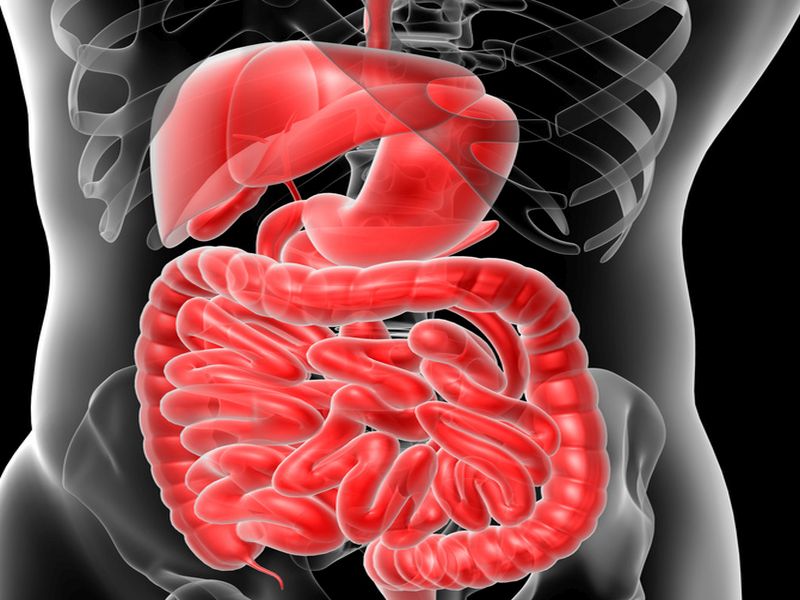
 Healthy human appendix contains intraneuronal α-synuclein aggregates, truncation products
MONDAY, Nov. 5, 2018 (HealthDay News) — The normal human appendix seems to contain pathogenic forms of α-synuclein, which may impact the risk for developing Parkinson’s disease (PD), according to a study published online Oct. 31 in Science Translational Medicine.
Bryan A. Killinger, Ph.D., from the Van Andel Research Institute in Grand Rapids, Michigan, and colleagues determined the capacity of the appendix to modify PD risk and influence pathogenesis using data from two independent epidemiological datasets involving more than 1.6 million individuals and more than 91 million person-years.
The researchers observed a correlation between removal of the appendix decades before PD onset and a lower risk for PD, especially for those living in rural areas. Removal of the appendix also delayed the age of PD onset. Intraneuronal α-synuclein aggregates were seen in the healthy human appendix, as were an abundance of PD pathology-associated α-synuclein truncation products that accumulate in Lewy bodies. The rapid cleavage and oligomerization of full-length recombinant α-synuclein was induced by lysates of human appendix tissue.
“Our findings today add a new layer to our understanding of this incredibly complex disease,” Killinger said in a statement. “We have shown that the appendix is a hub for the accumulation of clumped forms of alpha-synuclein proteins, which are implicated in Parkinson’s disease. This knowledge will be invaluable as we explore new prevention and treatment strategies.”
 Physical Activity Linked to Slower Cognitive, Motor Progression in Parkinson Disease
 Emergency Diagnosis Linked to Worse Outcomes for Range of Conditions
.jpeg) Neurodegenerative Mortality Elevated for NFL Athletes
 Bidirectional Association Found Between TBI, Neurological Diagnoses
 Drug Interactions Reducing Contraceptive Effectiveness Common in Epilepsy
 Lower Cognitive Functioning During 60s Linked to Subsequent Stroke Risk
 Insomnia Linked to Increased Risk for Stroke, Odds of Admission
 Increased Dementia Risk Seen After Transient Ischemic Attack



.jpg)
