


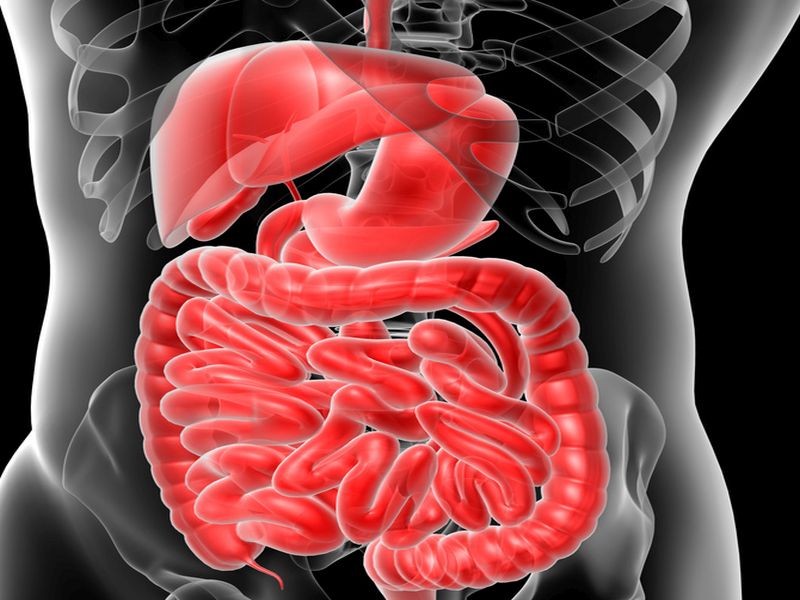
 Findings for repeat treatment of relapsing symptoms in diarrhea-predominant irritable bowel syndrome
TUESDAY, Dec. 27, 2016 (HealthDay News) — Repeat treatment with the nonsystemic antibiotic rifaximin is effective in patients with relapsing symptoms of diarrhea-predominant irritable bowel syndrome (IBS-D), according to a study published in the December issue of Gastroenterology.
Anthony Lembo, M.D., from the Beth Israel Deaconess Medical Center in Boston, and colleagues conducted a multicenter, phase 3, randomized, placebo-controlled trial to evaluate the safety and efficacy of repeat treatment with the nonsystemic antibiotic rifaximin (550 mg three times daily for two weeks) among 636 adults with IBS-D, mean abdominal pain and bloating scores of 3 or more, and loose stool (February 2012 through June 2014).
The researchers found that the percentage of responders was significantly greater with rifaximin than placebo (P = 0.03). For abdominal pain, the percentage of responders (P = 0.018) was significantly greater with rifaximin versus placebo, but not for stool consistency (P = 0.42). There were also significant improvements for prevention of recurrence, durable response, and bowel movement urgency. The groups had similar adverse event rates.
“In a phase 3 study of patients with relapsing symptoms of IBS-D, repeat rifaximin treatment was efficacious and well tolerated,” the authors write.
Several authors disclosed financial ties to Salix Pharmaceuticals, which manufactures rifaximin and funded the study.
 People With ADHD Experience 50 Percent More GI Symptoms
  Relapse Rare After Appendiceal Adenocarcinoma Resection
  Healthy Lifestyle in Early Childhood Linked to Lower Risk for IBD
  Adults Hold Outdated Beliefs About Antibiotics
  Nearly 3 in 4 Older Adults Express Interest in Vaccine to Prevent Dementia
  People With Autism Have Shorter Life Expectancy
  Acute Myeloid Leukemia Increasingly Impacting Older Adults Globally
  Non-U.S.-Born Physicians Make Up Nearly Half of Internal Medicine Workforce


.jpg)

