


Fruit juice/drink intake not associated with ischemic stroke, but is associated with intracerebral hemorrhage
FRIDAY, Oct. 11, 2024 (HealthDay News) — Carbonated beverages are associated with an increased risk for ischemic stroke and intracerebral hemorrhage (ICH), according to a study published online Sept. 27 in the Journal of Stroke.
Andrew Smyth, from McMaster University and Hamilton Health Sciences in Ontario, Canada, and colleagues examined the association between cold beverage intake and stroke in an international matched case-control study of first stroke. Beverage intake was reported using food frequency questionnaires and by answering a question about drinking water. Data were included for 13,462 cases and 13,488 controls.
The researchers identified a linear association for carbonated beverages with ischemic stroke after multivariable adjustment (odds ratio, 2.39); only consumption once/day was associated with ICH (odds ratio, 1.58). Fruit juice/drinks were not associated with ischemic stroke, but were associated with increased odds of ICH with once/day or twice/day consumption (odds ratios, 1.37 and 3.18, respectively). Intake of more than seven cups/day water was associated with a reduced risk for ischemic stroke (odds ratio, 0.82) but not ICH. There was variation in the associations by geographic region.
“We encourage individuals to maintain adequate levels of hydration and generate hypotheses that the future risk of stroke could be reduced by optimizing water intake, minimizing fruit juice/drinks, and avoiding carbonated beverages,” the authors write.
 Lower Cognitive Functioning During 60s Linked to Subsequent Stroke Risk
  Insomnia Linked to Increased Risk for Stroke, Odds of Admission
  Increased Dementia Risk Seen After Transient Ischemic Attack
 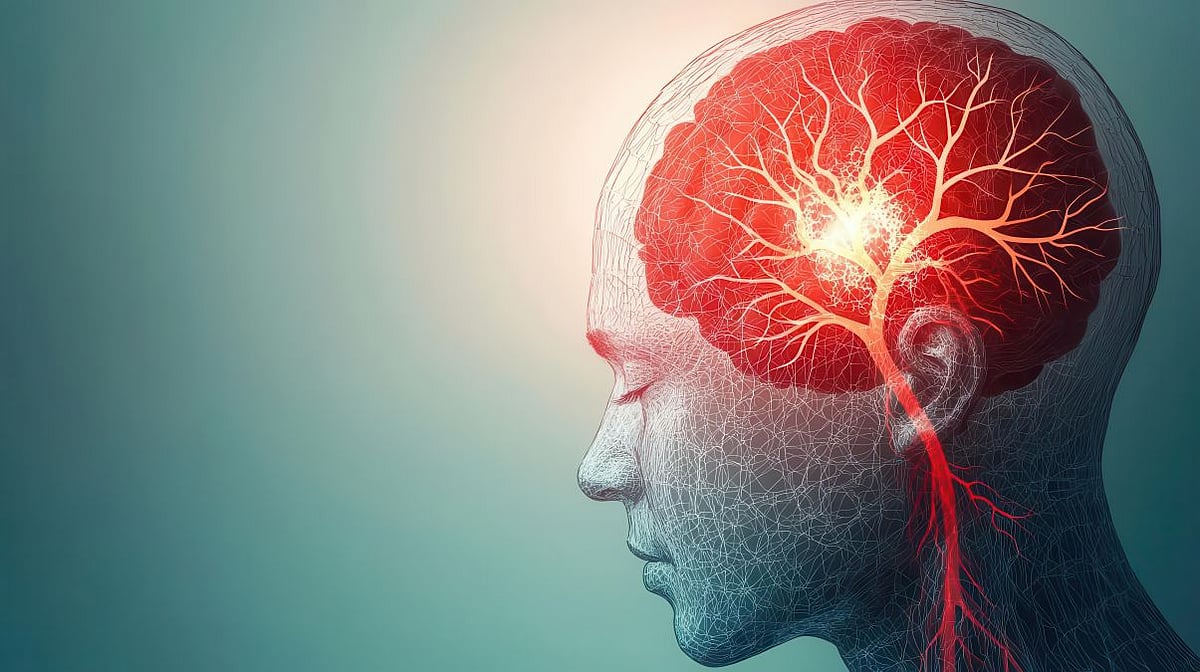 Incidence of Stroke Increasing Among Young Adults
  UACR, UPCR Provide Indistinguishable Prognostic Information in CKD
  Use of SAMA, SABA Linked to Cardiovascular Events, Mortality in Asthma, COPD
 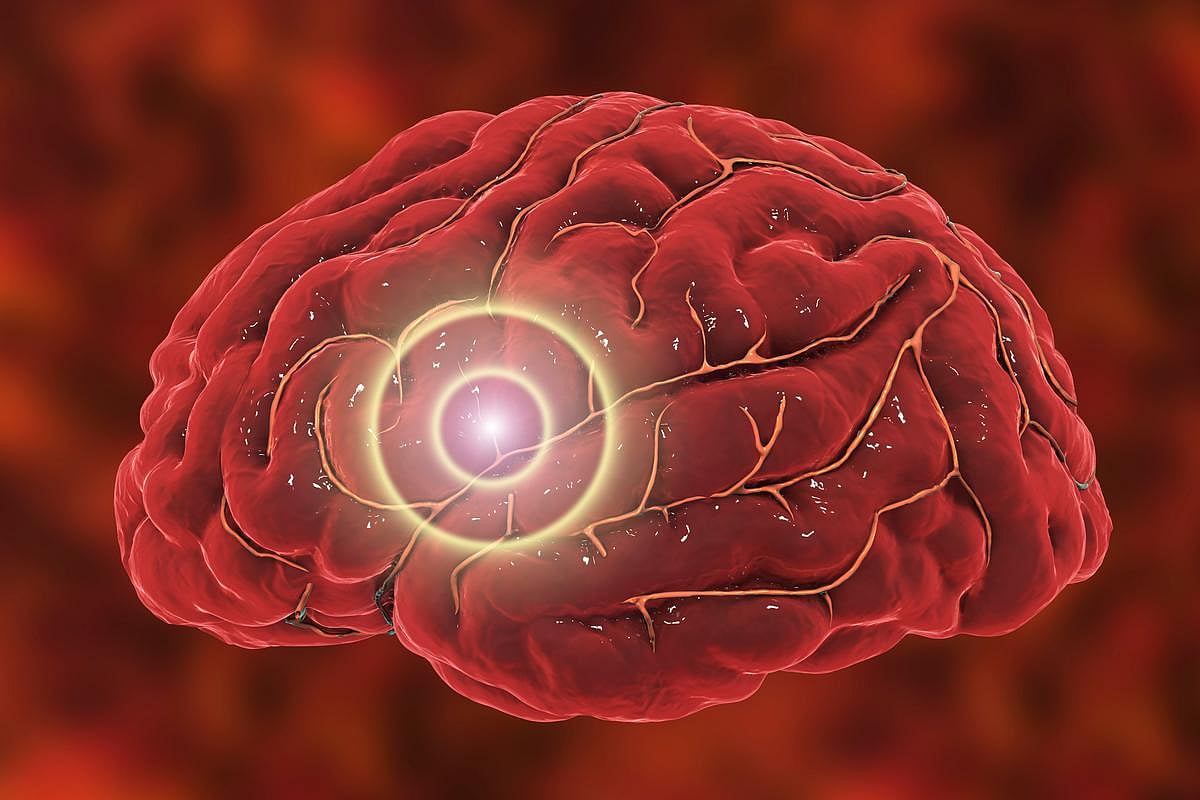 Risk for Ischemic Stroke Increased After Cancer Diagnosis
  Dementia, Stroke Risk Elevated for Those With Severe Mental Illness
 .jpg)




