 Attempt failed, but tool appears precise and safe and holds promise
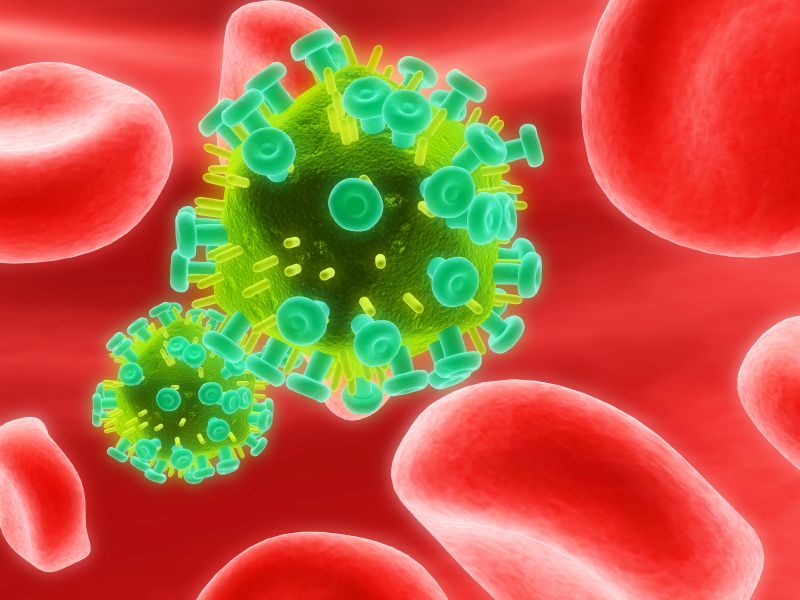
THURSDAY, Sept. 12, 2019 (HealthDay News) — The first attempt to use the gene-editing tool CRISPR to cure HIV infection was unsuccessful but the approach does show promise.
Chinese researchers used the tool to give a patient blood cells that were altered to resist the AIDS-causing virus, the Associated Press reported.
The study was published online Sept. 11 in the New England Journal of Medicine. It is the first published report of trying to use CRISPR to treat a disease in an adult, according to the AP.
Even though CRISPR did not cure the patient’s HIV infection, the gene-editing tool appears precise and safe in the patient and seems to hold promise, said Carl June, M.D., from the Perelman School of Medicine at the University of Pennsylvania in Philadelphia, who wrote an accompanying commentary in the journal. “That’s really good for the field,” June told the AP.
AP News Article
Abstract/Full Text (subscription or payment may be required)
Editorial (subscription or payment may be required)
 Gene Mutation Identified That Increases Lung Cancer Risk
  Genetics, Diabetes Tied to MASLD-Associated Cirrhosis Before Age 50
  Family History of CRC Increases CRC Risk Similarly in IBD, General Population
  Relapse Rare After Appendiceal Adenocarcinoma Resection
  Less Intraoperative Crystalloid Fluid Not Tied to Worse Surgical Outcomes
 .jpg) Mortality Lowest at Hemoglobin Concentrations Above WHO Thresholds
Mortality Lowest at Hemoglobin Concentrations Above WHO Thresholds  Structured Exercise Should Be Considered as Adjunct Therapy for Cancer
  Socioeconomic Status Linked to Mortality After Acute Hip Fracture Surgery