


 In adjusted analysis, smoking tied to worse symptom severity, sleep problems, anxiety, depression
MONDAY, Dec. 10, 2018 (HealthDay News) — Smoking tobacco is a risk factor for cognitive dysfunction in patients with fibromyalgia (FM), according to a study presented at the 17th Annual Pain Medicine Meeting, a meeting of the American Society of Regional Anesthesia and Pain Medicine, held from Nov. 15 to 17 in San Antonio.
Ryan D’Souza, M.D., from the Mayo Clinic in Rochester, Minnesota, and colleagues surveyed 668 patients with FM to examine the correlation between tobacco smoking and cognitive function. The primary outcome of interest was cognitive function as measured by the 38-question multiple-ability self-report questionnaire (MASQ).
The researchers found that 14.07 percent of the patients self-identified as smokers. In unadjusted analysis, smoking was identified as a significant risk factor for lower total cognitive functional score and lower MASQ subscale scores in language, verbal memory, visual-spatial memory, and attention. After adjustment for age, gender, body mass index, marital status, and education level, smoking was identified as a significant risk factor for lower total cognitive functional scores and lower MASQ subscales in language, verbal memory, visual-spatial memory, and attention. In univariate analysis adjusting for the same factors, smoking was a significant risk factor for greater FM symptom severity, worse quality-of-life measures of bodily pain and mental component scale, greater sleep problems, and increased anxiety and depression.
“In FM patients, smoking is a risk factor for cognitive dysfunction,” the authors write. “Moreover, FM patients who smoked were also more likely to report increased FM symptom severity, worse quality of life indices, worse sleep, and increased anxiety and depression.”
 Financial Incentives Boost Tobacco Abstinence in Underserved Adults
  Lower Vertebral Bone Mineral Density Linked to Cognitive Decline
  Estrogen Hormone Treatment May Be Beneficial for Brain Fog Symptoms in Menopausal Women
 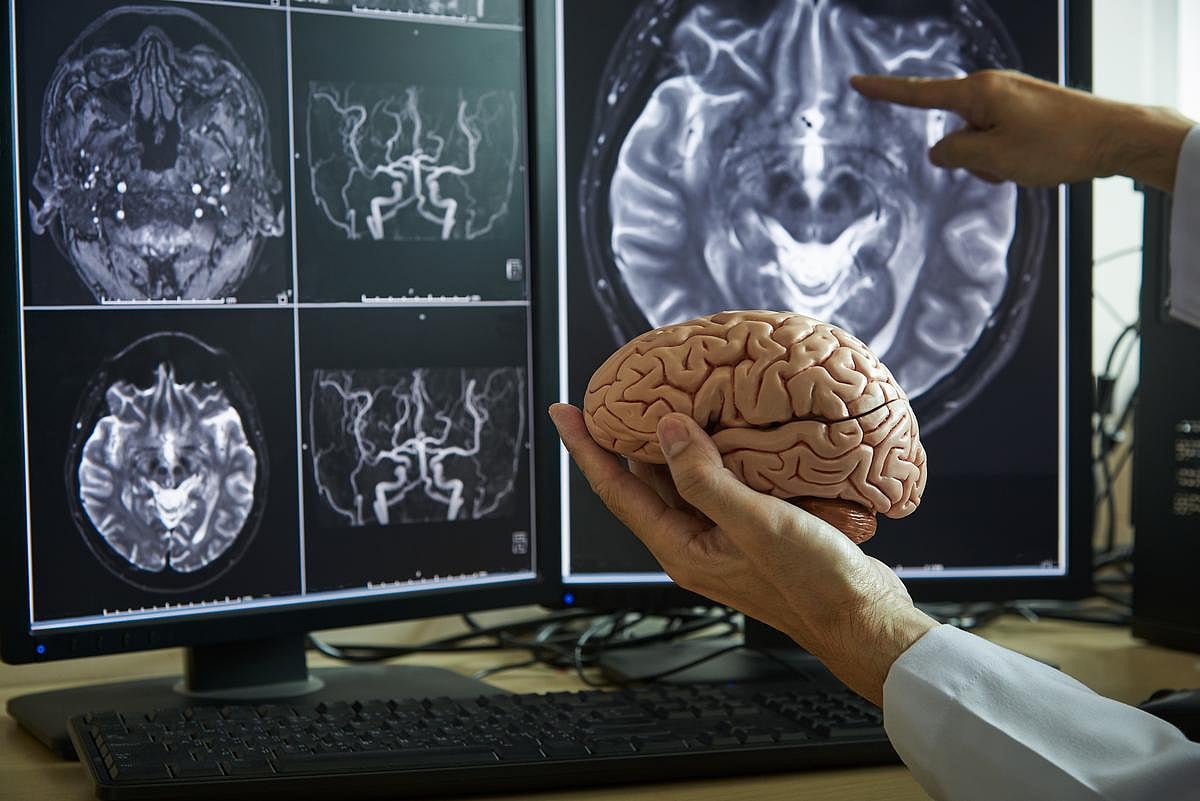 Brain Abnormalities Identified in Children at Risk for Schizophrenia
 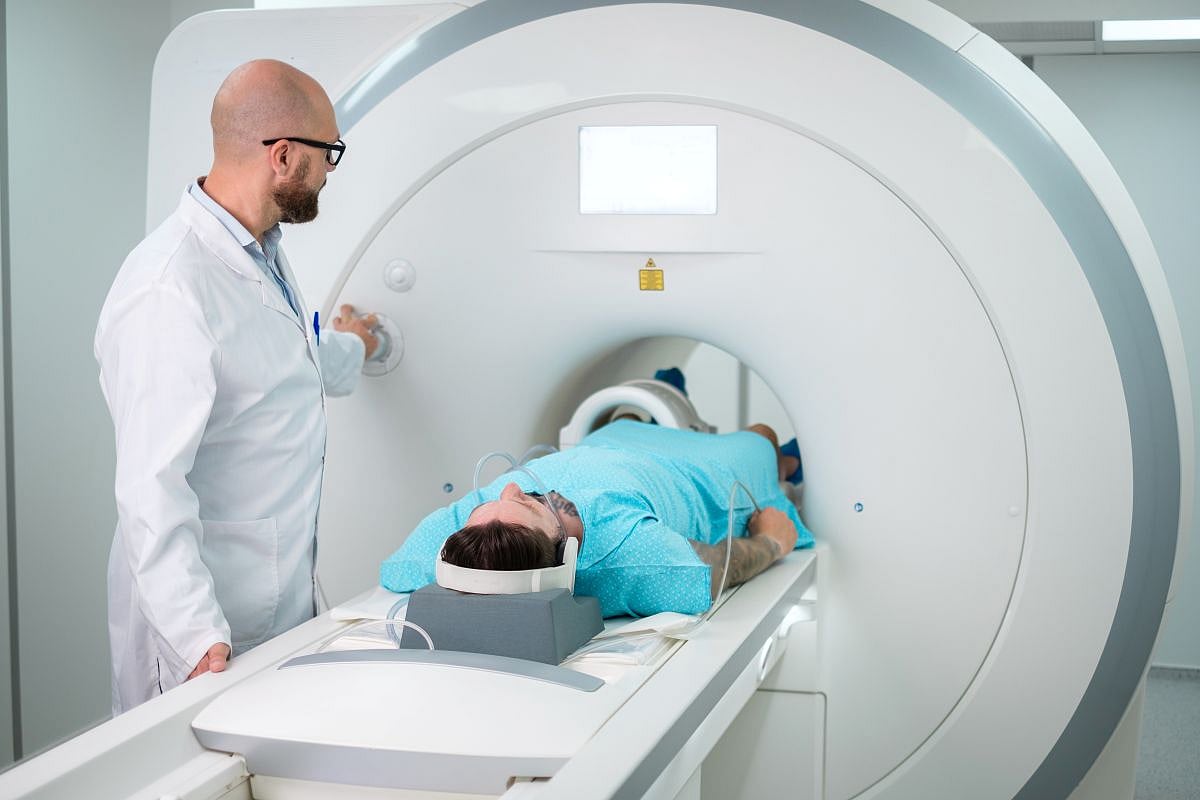 Pre-Prostate Biopsy MRI Use Increased From 2017 to 2026
  PET/MRI Offers Diagnostic, Prognostic Value in Pediatric Epilepsy
  Nighttime Light Exposure Linked to Sleep Parameters in Schizophrenia
  Psychiatrists Only Agree 55 Percent of the Time on Diagnoses


.jpg)

