


Stigma correlates with depression and differs based on level of severity and visibility
TUESDAY, April 30, 2024 (HealthDay News) — Health care professionals should consider stigmatization and bullying in assessing the social and mental health of children and adolescents with chronic skin diseases, according to a study published online April 24 in JAMA Dermatology.
Amy S. Paller, M.D., from the Northwestern University Feinberg School of Medicine in Chicago, and colleagues examined the extent of stigma, dependence on disease visibility and severity, and association with mental health and quality of life (QOL) in chronic pediatric skin disease. The analysis included 1,671 children.
The researchers found that stigma scores significantly differed by level of physician-assessed and child/proxy-assessed disease visibility and severity. Only 27.0 percent of children with chronic acne, atopic dermatitis, alopecia areata, and vitiligo had T scores <40 (minimal or no stigma) and 43.8 percent had at least moderate stigma (T score ≥45) versus children with a range of chronic diseases. There was a strong correlation between stigma scores and reduced QOL, depression, anxiety, and poor peer relationships. More than one-fourth of parents (29.4 percent) were aware of bullying of their child, which was strongly associated with stigma. More stigma was reported by girls than boys.
“The findings of this study suggest that physician assessment of disease severity and visibility is insufficient to evaluate the disease impact in the patient/caregiver,” the authors write.
Several authors disclosed ties to the pharmaceutical industry.
Abstract/Full Text (subscription or payment may be required)
 2013 to 2024 Saw Decrease in Benzodiazepine Prescribing
  Childhood Cancer Survivors Often Have Mental Distress in Adulthood
 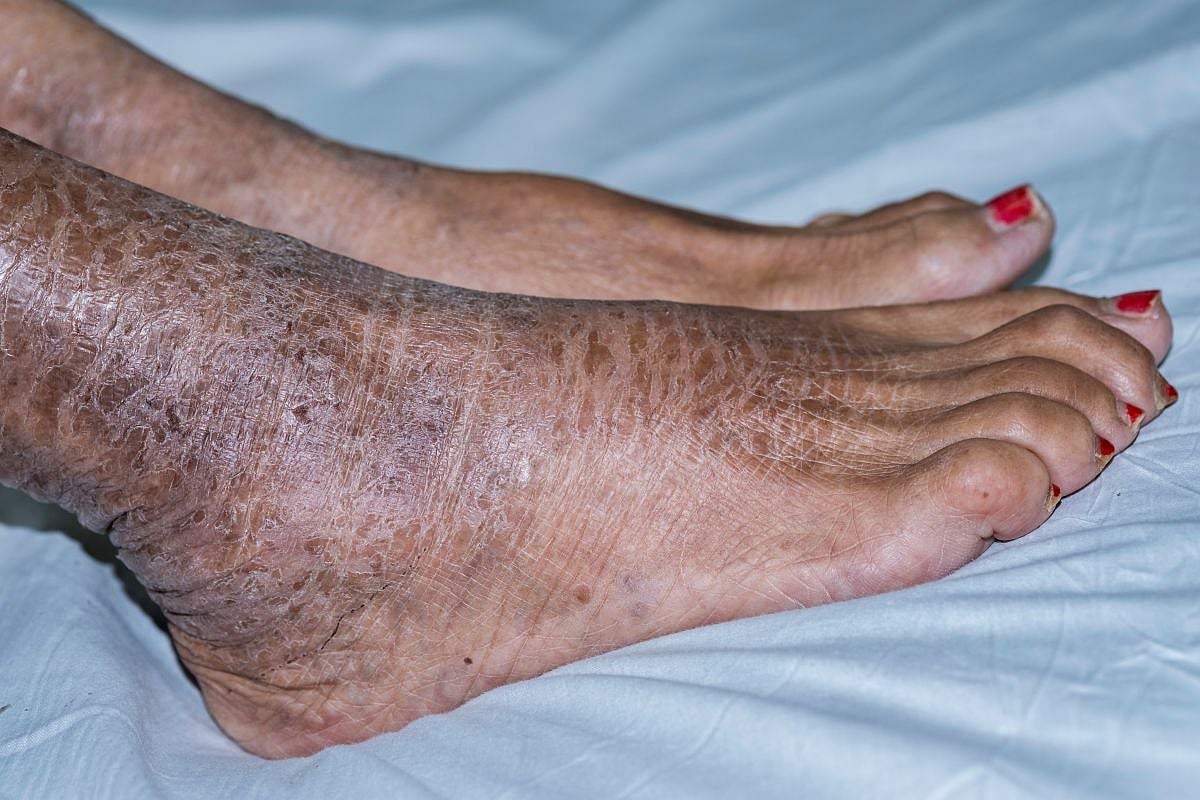 Congenital Ichthyosis Linked to Allergic Disorders
  Air Pollution Tied to Higher Risk for Suicide
  Insomnia Linked to Increased Risk for Stroke, Odds of Admission
  Age-Adjusted Suicide Rate Increased From 2014 to 2017 and Then Plateaued
  Psychiatrists Only Agree 55 Percent of the Time on Diagnoses
  Youth Suicide Risk Linked to Community Firearm Violence
.jpg)



