


Melanoma incidence highest on trunk in men; incidence historically highest on limbs in women, but recent increases seen in truncal melanoma
TUESDAY, Sept. 17, 2024 (HealthDay News) — Melanoma rates differ for men and women, including in terms of ages of occurrence and locations of melanoma, according to a study published online June 17 in the Journal of Investigative Dermatology.
Catherine M. Olsen, Ph.D., from the QIMR Berghofer Medical Research Institute in Brisbane, Australia, and colleagues analyzed long-term melanoma data (1982 to 2018) in three populations residing at high-, moderate-, and low-ambient sun exposures. Trends in the male-to-female incidence rate ratio (IRR) were compared by site and sex using age-period-cohort models.
The researchers found that the incidence of melanoma was always highest on the trunk in men, while in women, incidence was historically highest on limbs, but recent increases in truncal melanoma were seen. In all populations, the IRR showed excess melanoma in women on the lower limb in most age groups. In contrast, a male excess of melanoma was seen on the trunk and head/neck (from about age 25 years and from about age 40 years, respectively), which increased with age. Among recent birth cohorts, turning points in incidence from high to low incidence were identified, with differences seen by population and site.
“These analyses of trends in melanoma incidence by body site reveal consistent patterns compatible with changing patterns of sun exposure together with some innate differences in site-specific susceptibility between the sexes,” the authors write.
 Active Smoking Linked to Progression of Sickle Cell Retinopathy
  Alcohol-Attributable Cancer Mortality Has Increased Significantly in the U.S.
 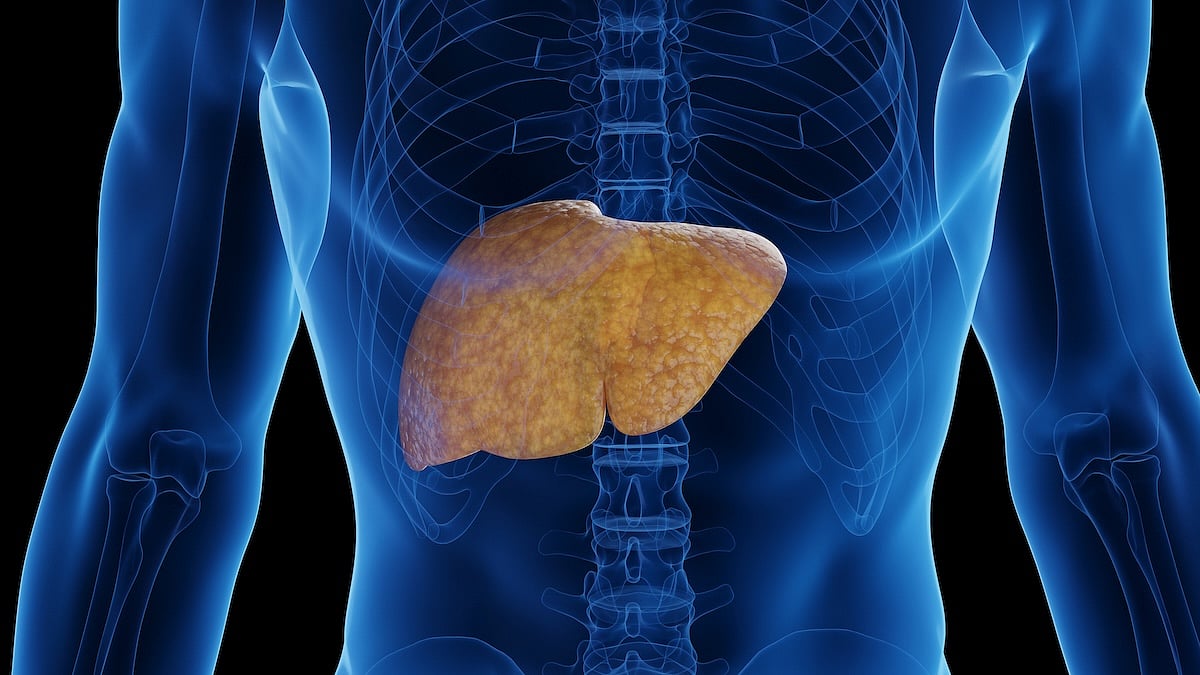 Impact of Alcohol Intake on Fibrosis Risk Varies by Sex, Liver Disease
  Female Emergency Medicine Physicians Order More Tests, Admit More Patients
  Withdrawal From Medetomidine Increasingly Seen in ICUs
  Urine Cell-Free RNA Shows Promise as Biomarker for Bladder Cancer
  Age-, Joint-Specific Ultrasound Reference Values Set for Healthy Joints
  2013 to 2024 Saw Decrease in Benzodiazepine Prescribing



.jpg)
