



Subtle thinning, impaired function seen in retinas of those with type 2 diabetes, along with slight reduction in tight junction proteins immunoreactivity
TUESDAY, Dec. 16, 2025 (HealthDay News) — Texture analysis can identify retinal changes during early stages of type 2 diabetes, according to a study published in the December issue of Eye Vision.
Sara Oliveira, from the University of Coimbra in Portugal, and colleagues examined the potential of retinal texture changes in a type 2 diabetes model. At baseline and four, eight, and 12 weeks after initiating the diabetes induction protocol, optical coherence tomography (OCT) scans and electroretinograms were acquired. Automated OCT segmentation, computation of retinal thickness, and analysis of texture were conducted.
The researchers found that in the inner plexiform layer and inner/outer photoreceptor segments, retinal texture was affected. Significant increases/decreases were seen in autocorrelation, cluster prominence, correlation, homogeneity, information measure of correlation II, inverse difference moment normalized, inverse difference normalized, and sum average texture metrics at weeks 8 and 12. Seven of these metrics were altered in a previous study involving an animal model of type 1 diabetes. Subtle thinning and impaired function were seen in retinas from patients with type 2 diabetes, along with a slight reduction in immunoreactivity of tight function proteins, without affecting the blood-retinal barrier.
“By capturing subtle structural signals within OCT images, this approach opens a new diagnostic window into the earliest disease processes,” co-senior author António Francisco Ambrósio, Ph.D., also from the University of Coimbra, said in a statement. “It offers a way to identify high-risk patients before permanent vision damage occurs, supporting earlier treatment and better outcomes.”
.jpg) Pregnancy Complications Linked to Subsequent Risk for Cardiometabolic-Renal Conditions
Pregnancy Complications Linked to Subsequent Risk for Cardiometabolic-Renal Conditions  GLP-1 Receptor Agonists, SGLT-2is Slow Renal Function Decline in T2D With Albuminuria
  Study IDs Risk Factors for Ketoacidosis in Adults With T2D Receiving SGLT2 Inhibitors
 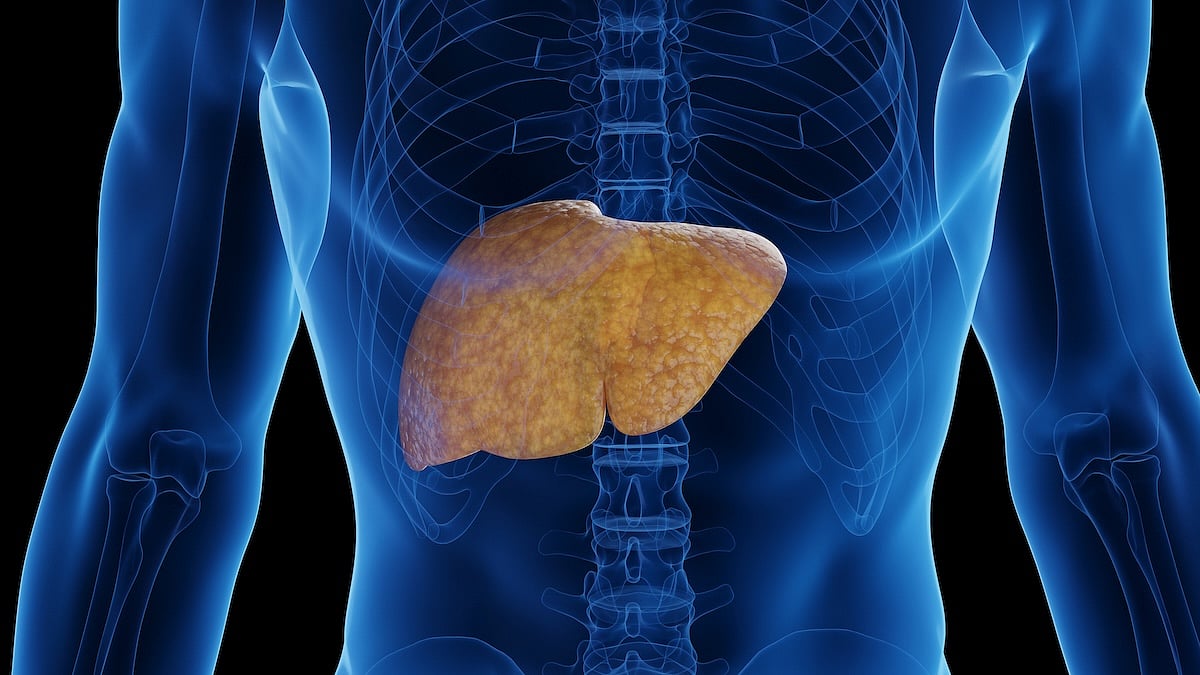 Genetics, Diabetes Tied to MASLD-Associated Cirrhosis Before Age 50
  Steatotic Liver Disease Risk Scores Compared for Predicting Cirrhosis
  Cirrhosis Can Recur After Liver Transplant
  Family History of CRC Increases CRC Risk Similarly in IBD, General Population
  Relapse Rare After Appendiceal Adenocarcinoma Resection


.jpg)

