


One in three women are also concerned about the long-term health effects of menopause
FRIDAY, April 25, 2025 (HealthDay News) — Six in 10 women believe they will hit menopause in their 40s, according to survey results released April 8 by The Ohio State University Wexner Medical Center in Columbus.
The survey (web and telephone) was conducted in two waves from Feb. 7 to 10, 2025, and Feb. 21 to 24, 2025, with responses from a combined total of 1,068 female respondents.
According to the results of the survey, 61 percent believe they will hit menopause in their 40s. Half of the women surveyed (52 percent) believed diet and exercise can help treat menopause symptoms. One in three women were concerned about the long-term health effects of menopause. Other concerns included physical symptoms (25 percent) and mental health (18 percent). Younger women were more likely to have a top concern of mental health related to menopause compared with older women (25 percent of those aged 18 to 29 years versus 10 percent of those aged 65 years and older).
“Perimenopause is when the menstrual cycle has started to change, and it is persistent. The formal definition is periods fluctuate by at least seven days for at least 10 months,” Lauren Baker, D.O., of The Ohio State University Wexner Medical Center, said in a statement. “Problems in the workplace, adverse effects on one”s quality of life, and adverse health events all have been associated with menopause, too. There are effective treatments and ways to feel better to not only survive but thrive.”
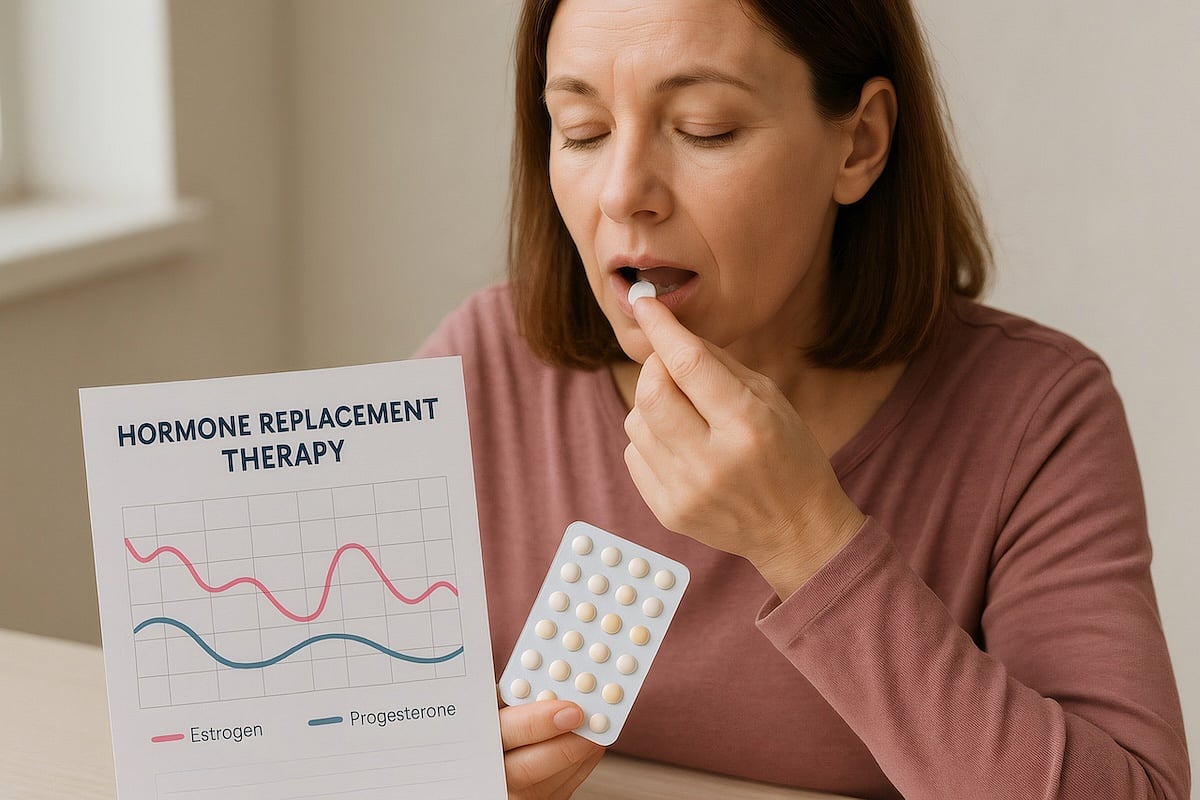 Oral Menopausal Hormone Therapy Linked to Venous Thromboembolic Risk
  2013 to 2024 Saw Decrease in Benzodiazepine Prescribing
  Childhood Cancer Survivors Often Have Mental Distress in Adulthood
  MHT Initiation May Reduce Cardiovascular Risk in Women With Vasomotor Symptoms
  Pre-Prostate Biopsy MRI Use Increased From 2017 to 2026
  Longer Reproductive Lifespan Tied to Lower Bronchiectasis Risk in Postmenopausal Women
  Midlife Onset of Increasing Pulse Pressure Not Linked to Menopause
  Residential Context Has Larger Impact on Ovarian Cancer Survival in Black Women
.jpg)



