Three-week cast, simple orthosis noninferior to six-week cast for stable, isolated Weber B-type fibula fracture
THURSDAY, Jan. 24, 2019 (HealthDay News) — For patients with stable, isolated Weber B-type fibula fractures, a three-week immobilization period is noninferior to a six-week cast, according to a study published online Jan. 23 in The BMJ.
Tera Kortekangas, M.D., Ph.D., from Oulu University in Finland, and colleagues randomly assigned skeletally mature patients aged 16 years or older with an isolated Weber B-type fibula fracture and congruent ankle mortise in static ankle radiographs to either conventional six-week cast immobilization (84 patients) or three weeks in a cast (83 patients) or a simple orthosis (80 patients). A total of 212 patients completed the study.
The researchers found that the mean Olerud-Molander Ankle Score was 87.6, 91.7, and 89.8 in the six-week cast, three-week cast, and three-week orthosis groups, respectively, at 52 weeks, with higher scores indicating better outcomes and fewer symptoms. At 52 weeks, the between-group difference for the three-week versus the six-week cast was 3.6 points (95 percent confidence interval, −1.9 to 91; P = 0.20); the between-group difference for the three-week orthosis versus the six-week cast was 1.7 (95 percent confidence interval, −4.0 to 7.3; P = 0.56). The confidence intervals did not include the predefined inferiority margin of −8.8 points.
“A shorter, three-week period of immobilization, either by cast or a simple orthosis, proved noninferior to traditional six weeks of cast immobilization for patients with stable, isolated Weber B type fibula fractures,” the authors write.
 NOACs Linked to Slower Cognitive Decline in Patients With A-Fib, Alzheimer Disease
  Dual-Mobility THR Linked to Reduced Risk for Dislocation
  Consensus Statement Addresses Management of Skeletal Fragility in Patients With CKD
 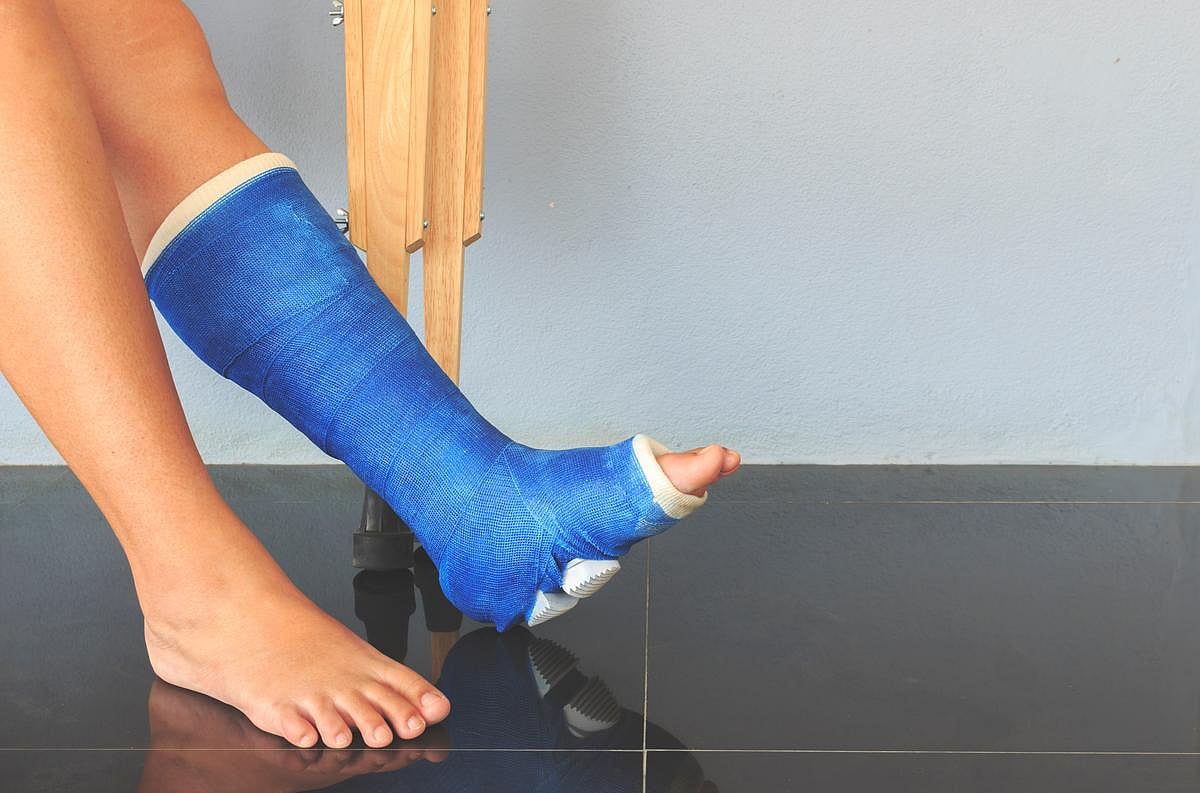 Cast Immobilization Noninferior to Surgery for Weber B Ankle Fracture
  Relapse Rare After Appendiceal Adenocarcinoma Resection
  Disparities Identified in Home Health Care After Hip, Knee Replacement
  Preoperative IV Iron Beneficial for Patients With Anemia Undergoing Cardiac Surgery
  Adenotonsillectomy Tied to Increase in Respiratory Tract Infections in Children