


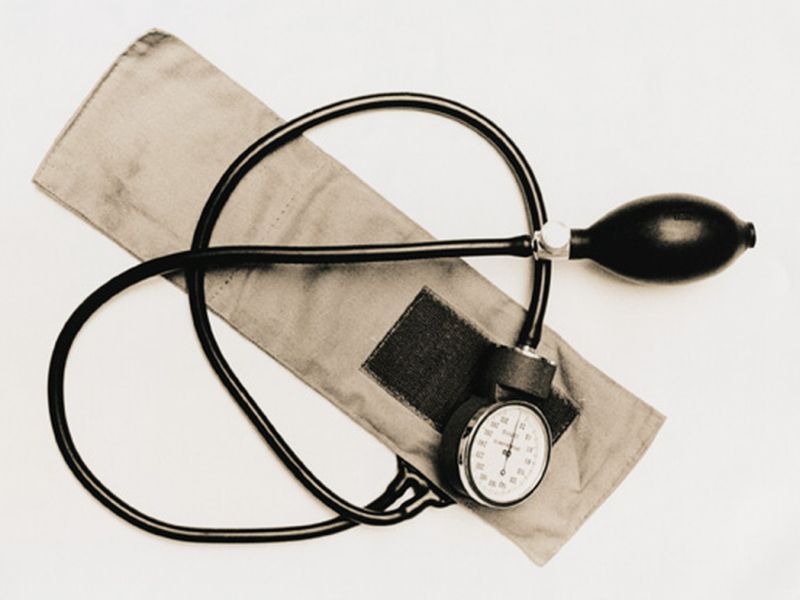
 Relative risk of 1.19 for resistant-HTN for each interquartile range increase in tibia lead level
WEDNESDAY, Oct. 24, 2018 (HealthDay News) — Tibia lead levels are associated with resistant-hypertension (HTN), according to a study published online Oct. 24 in the Journal of the American Heart Association.
Alexander Zheutlin, from the University of Michigan in Ann Arbor, and colleagues examined the risk of resistant-HTN based on bone lead levels in a prospective cohort study of the Normative Aging Study. Participants had clinic data on HTN and lead, and demographics and confounding variables were also examined.
The researchers identified 97 cases of resistant-HTN among the 475 participants (20.4 percent). The median tibia and patella lead levels were 20 and 25 µg/g among the cases of resistant-HTN, while the levels were 20 and 27.5 µg/g in participants without resistant-HTN. There was a significant correlation for tibia lead level with resistant-HTN (relative risk, 1.19; 95 percent confidence interval, 1.01 to 1.41; P = 0.04) per interquartile range increase in tibia lead level, while there was no association for patella lead level (relative risk, 1.1; 95 percent confidence interval, 0.92 to 1.31; P = 0.31). There was no correlation for blood lead levels with resistant-HTN (relative risk, 1.11; 95 percent confidence interval, 0.88 to 1.4; P = 0.38).
“The cumulative effect of low-level lead may manifest through more subtle mechanisms of slow interference with biochemical systems involved in vascular contractility and volume management,” the authors write.
 Phone Coaching, Home Monitoring Do Not Lead to Significant Change in Blood Pressure
 Alcohol Brief Intervention Can Improve Health Outcomes in HTN
 Frequent Green Space Visits Linked to Lower Use of Certain Meds
 Nighttime Hot Spring Bathing May Decrease Prevalence of HTN in Older Adults
 Lower Cognitive Functioning During 60s Linked to Subsequent Stroke Risk
 Polypharmacy of Prescription Medications Increased for U.S. Older Adults
 Nearly 1 in 10 Older Adults Used Cannabis in the Past Year
 Pharmacist-Led Med Review Improves Medication Quality in Older Patients With Cancer



.jpg)

