


 One percent rapamycin seems most effective for tuberous sclerosis complex-linked angiofibromas
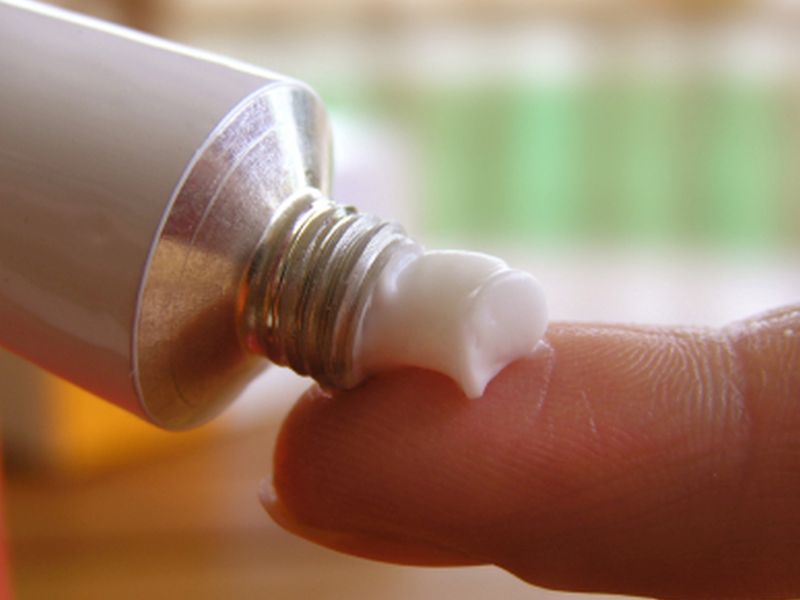
FRIDAY, June 8, 2018 (HealthDay News) — Topical rapamycin seems effective for tuberous sclerosis complex (TSC)-related facial angiofibromas, according to a study published online May 23 in JAMA Dermatology.
Mary Kay Koenig, M.D., from The University of Texas Health Science Center at Houston, and colleagues examined the efficacy and safety of topical rapamycin for TSC-related facial angiofibromas in a study involving 179 patients. Participants were randomized in a 1:1:1 ratio to topical formulation containing 1 percent rapamycin, 0.1 percent rapamycin, or vehicle alone (59, 63, and 57 patients, respectively). The formulation was applied daily to designated areas at bedtime.
The researchers observed clinically meaningful and statistically significant improvement in facial angiofibromas for 1 and 0.1 percent rapamycin versus vehicle only, and for 1 versus 0.1 percent rapamycin; most of the improvement was seen in the first month. The Angiofibroma Grading Scale mean improvement at six months was 16.7, 11.0, and 2.1 points for 1 and 0.1 percent rapamycin and vehicle only, respectively (P < 0.001 for 1 and 0.1 percent versus vehicle only). End-of-treatment photos were rated better than baseline for 81.8, 65.5, and 25.5 percent of patients in the 1 and 0.1 percent rapamycin groups and the vehicle group, respectively (P < 0.001 for all three pairwise comparisons).
“Topical rapamycin appears effective and safe for treatment of TSC-related facial angiofibromas,” the authors write. “In this trial, the preferred dose was 1 percent once daily.”
Several authors disclosed financial ties to Novartis; one author disclosed ties to MedStudy. Several authors have a provisional patent pending.
Abstract/Full Text (subscription or payment may be required)
Editorial (subscription or payment may be required)
 Drug Interactions Reducing Contraceptive Effectiveness Common in Epilepsy
 .jpg) Most Specialty Oral Anticancer Meds for Blood Cancers Are Initially Rejected by Insurers
Most Specialty Oral Anticancer Meds for Blood Cancers Are Initially Rejected by Insurers  1 in 3 With Lupus Take Supplements, Medications With Potential for Interactions
  Holding DMARDs at Time of COVID-19 Vaccine Not Warranted in Those With Inflammatory Arthritis
  Age-, Joint-Specific Ultrasound Reference Values Set for Healthy Joints
  2013 to 2024 Saw Decrease in Benzodiazepine Prescribing
  GLP-1 Receptor Agonists, SGLT-2is Slow Renal Function Decline in T2D With Albuminuria
  Polypharmacy of Prescription Medications Increased for U.S. Older Adults




