


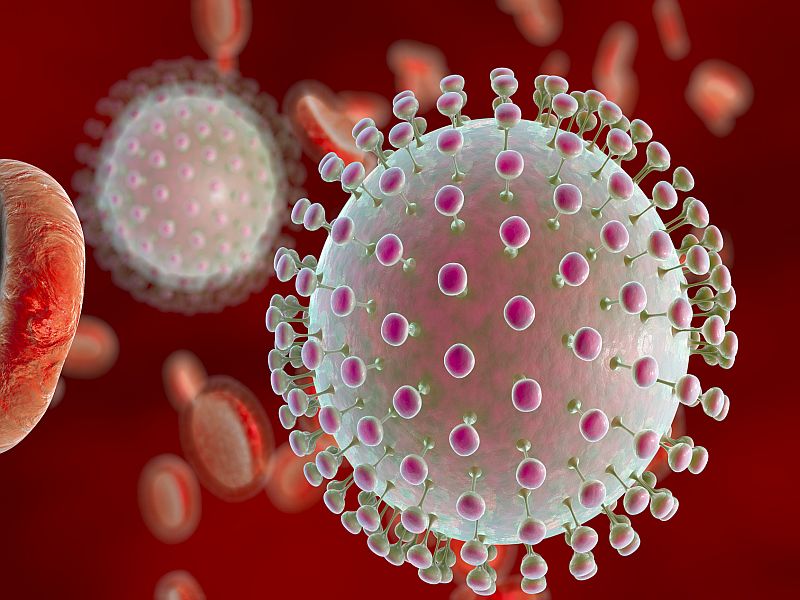
 Study demonstrates effects of infection with different lineages of Zika virus on monocytes
TUESDAY, Aug. 22, 2017 (HealthDay News) — The Zika virus thrives in pregnant women by suppressing their already dampened immune systems and running roughshod over their body’s natural defenses, which allows the virus to directly attack the fetus, according to a study published online Aug. 21 in Nature Microbiology.
Jae Jung, Ph.D., chair of the department of molecular microbiology and immunology at the University of Southern California’s Keck School of Medicine in Los Angeles, and colleagues tested both the African and Asian strains of Zika in the blood samples of healthy men and women, as well as samples taken from pregnant women.
The researchers identified CD14+ monocytes as the primary target for both strains of infection. “About 5 percent of a pregnant woman’s monocytes have immune-suppressive activity,” Jung said. “African Zika virus pushes the 5 percent up to around 10 percent. By comparison, Asian Zika virus turns 70 percent of her monocytes toward immune-suppressing.” Pregnancy was associated with an enhanced susceptibility to Zika virus infection.
“Specifically, Asian-lineage Zika virus infection of pregnant women’s blood led to an exacerbated M2-skewed immunosuppression of non-classical monocytes in conjunction with a global suppression of type I interferon-signaling pathway and an aberrant expression of host genes associated with pregnancy complications,” the authors write. “Also, 30 Zika virus-positive sera from symptomatic pregnant patients showed elevated levels of M2-skewed immunosuppressive cytokines and pregnancy-complication-associated fibronectin-1.”
 Low Levels of Placental Growth Factor in Pregnancy Linked to Subsequent ADHD in Offspring
  Recommendations Issued for Use of Incretin-Based Meds in Pregnancy
  IBD Not Linked to Risk for Hypertensive Disorders of Pregnancy Overall
  Maternal Vitamin D Status Linked to Preterm Delivery
  Serum 25(OH)D May Serve as Biomarker of Disease Activity in IBD
  Nutritional Deficiencies Seen in Youth Taking GLP-1 Receptor Agonists
  Mom"s Poor Sleep in Late Pregnancy Linked to Offspring"s Obesity Risk in Early Childhood



.jpg)
