


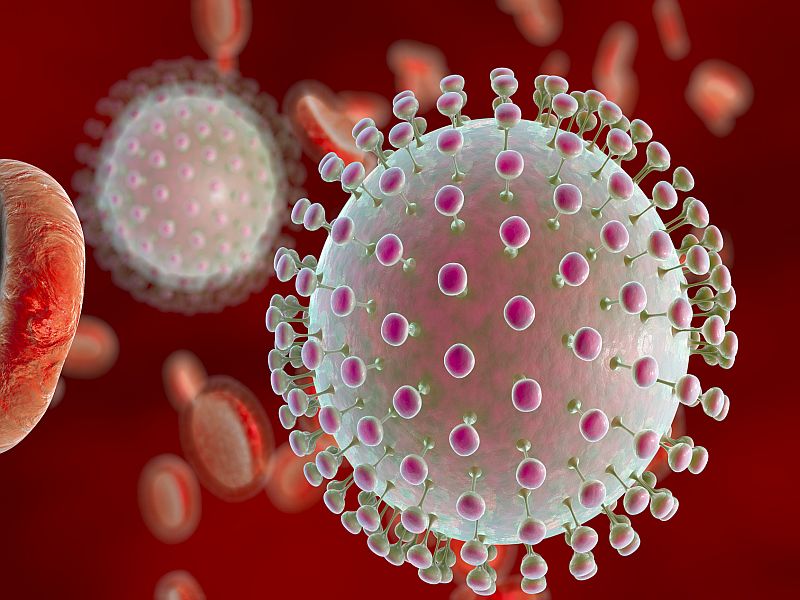
 ZIKV infection causes placental inflammation and decreases oxygen reserve, oxygen permeability
MONDAY, Feb. 5, 2018 (HealthDay News) — Zika virus (ZIKV) infection seems to be associated with uteroplacental pathology and may affect oxygen transport within the placenta in pregnant rhesus macaques, according to a study published online Jan. 17 in Nature Communications.
Alec J. Hirsch, Ph.D., from the Oregon Health and Science University in Beaverton, and colleagues infected five pregnant rhesus macaques with ZIKV infection at different time points across gestation. The study focused on the impact of persistent ZIKV infection on uteroplacental pathology, blood flow, and fetal growth and development.
The researchers found that advanced noninvasive in vivo imaging studies revealed dramatic effects on placental oxygen reserve as well as significantly decreased oxygen permeability of the placental villi, despite seemingly normal fetal growth and persistent fetal-placenta-maternal infection. In ZIKV cases, abnormal oxygen transport within the placenta seemed to result from uterine vasculitis and placental villous damage. Following ZIKV infection, there was also a robust maternal-placental-fetal inflammatory response.
“This animal model reveals a potential relationship between ZIKV infection and uteroplacental pathology that appears to affect oxygen delivery to the fetus during development,” the authors write.
 Low Levels of Placental Growth Factor in Pregnancy Linked to Subsequent ADHD in Offspring
  Recommendations Issued for Use of Incretin-Based Meds in Pregnancy
  Maternal Vitamin D Status Linked to Preterm Delivery
  IBD Not Linked to Risk for Hypertensive Disorders of Pregnancy Overall
 .jpg) Pregnancy Complications Linked to Subsequent Risk for Cardiometabolic-Renal Conditions
Pregnancy Complications Linked to Subsequent Risk for Cardiometabolic-Renal Conditions  Isometric Exercise Training Three Times a Week Preserves Cardiovascular Benefits
  Serum 25(OH)D May Serve as Biomarker of Disease Activity in IBD
  Mom"s Poor Sleep in Late Pregnancy Linked to Offspring"s Obesity Risk in Early Childhood



.jpg)
