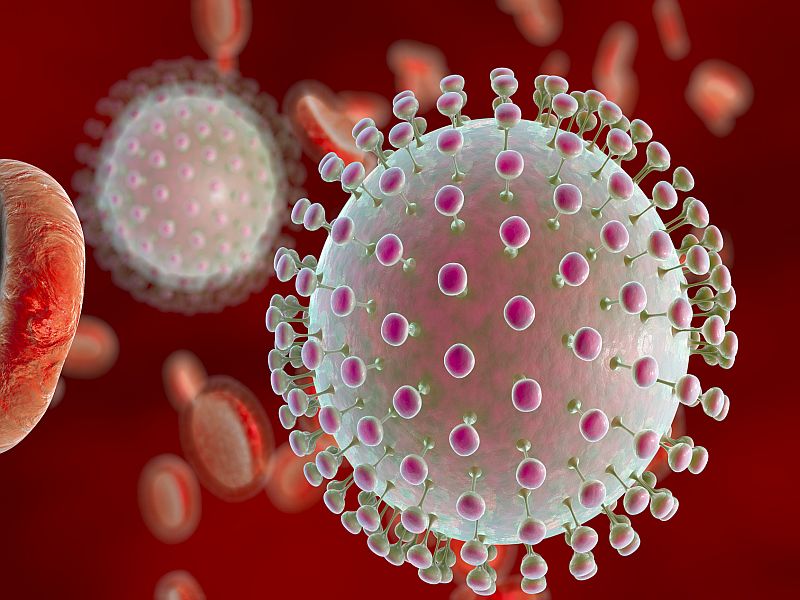
 Two candidates provided protection after just one dose; clinical trials planned for later this year
TUESDAY, June 28, 2016 (HealthDay News) — Experimental studies support the effectiveness of two vaccine candidates against the Zika virus, according to research published online June 28 in Nature.
This “critical first step” is leading to trials in monkeys and humans, “and gives us early confidence that development of a protective Zika virus vaccine for humans is feasible,” said researcher Col. Nelson Michael, M.D., Ph.D., of the Walter Reed Army Institute of Research (WRAIR) in Silver Spring, Md., and one member of a team involved in the search for a vaccine against the virus.
One of the new vaccines was developed at Harvard Medical School in Boston and is partly based on a Zika strain isolated in Brazil. The other vaccine, using a strain isolated in Puerto Rico, has been developed by Michael’s team at WRAIR. Both vaccines shielded mice against Zika infection with just a single dose required, the researchers said. The two vaccines are similar to others already in use against flaviviruses, which include dengue fever, West Nile, and others. Clinical trials in humans are scheduled to begin later in 2016.
“We showed that vaccine-induced antibodies provided protection, similar to existing vaccines for other flaviviruses,” senior author Dan Barouch, M.D., Ph.D., of the Center for Virology and Vaccine Research at Beth Israel Deaconess Medical Center in Boston, said in a center news release. “The effectiveness of these vaccines, the clarity of the antibody protection, and the similarity to successful vaccines that have been developed for other flaviviruses provide substantial optimism for a clear path forward for the development of a safe and effective Zika virus vaccine for humans.”
 4CMenB Vaccine Confers Modest Protection Against Gonorrhea in Teens
  AAP Releases Influenza Vaccine Recommendations for All Children 6 Months and Older
  Most U.S. Adults Unsure Which Vaccines CDC Recommends During Pregnancy
  Drug Retention in Spondyloarthritis Varies With Socioeconomic Status
  December 2024 to 2025 Saw Significant Increase in Leucovorin Dispensing
  Dexrazoxane Offers Lasting Doxorubicin Cardioprotective Effect in Childhood Cancer Survivors
  Long-Term Medication Adherence Tied to Lower Cardiovascular Event Rate in Type 2 Diabetes