


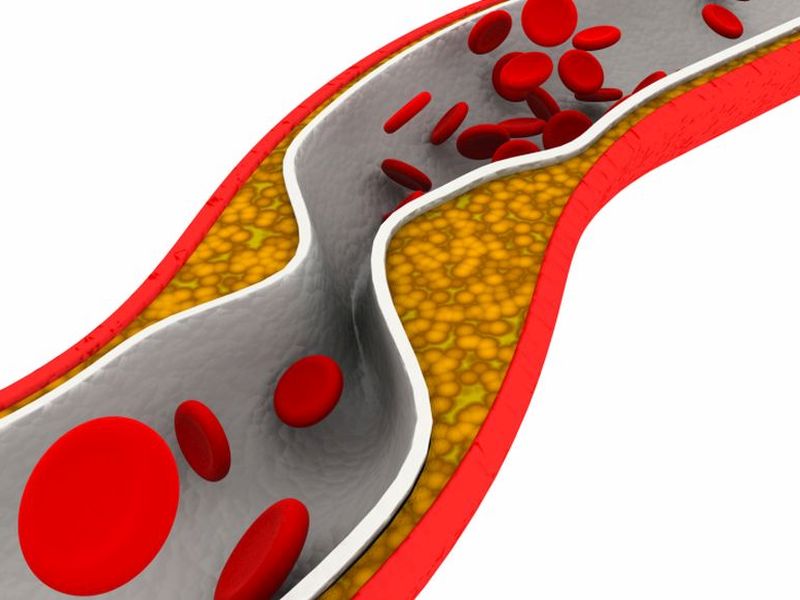
 No better for primary efficacy composite end point of cardiovascular death, myocardial infarction, stroke
TUESDAY, Nov. 15, 2016 (HealthDay News) — Ticagrelor is not superior to clopidogrel for reduction of cardiovascular events in patients with peripheral artery disease, according to a study published online Nov. 13 in the New England Journal of Medicine to coincide with the annual meeting of the American Heart Association, held from Nov. 12 to 16 in New Orleans.
William R. Hiatt, M.D., from the University of Colorado School of Medicine in Aurora, and colleagues compared clopidogrel with ticagrelor in patients with peripheral artery disease. A total of 13,885 patients with symptomatic peripheral artery disease with an ankle brachial index of 0.80 or less or who had undergone previous revascularization of the lower limbs were randomized to monotherapy with ticagrelor or clopidogrel.
The researchers found that the primary efficacy end point (composite of adjudicated cardiovascular death, myocardial infarction, or ischemic stroke) occurred in 10.8 and 10.6 percent of patients receiving ticagrelor and clopidogrel, respectively (hazard ratio, 1.02; 95 percent confidence interval, 0.92 to 1.13). Acute limb ischemia occurred in 1.7 percent of patients in each group (hazard ratio, 1.03; 95 percent confidence interval, 0.79 to 1.33) and major bleeding occurred in 1.6 percent of each group (hazard ratio, 1.10; 95 percent confidence interval, 0.84 to 1.43).
“In patients with symptomatic peripheral artery disease, ticagrelor was not shown to be superior to clopidogrel for the reduction of cardiovascular events,” the authors write.
Several authors disclosed financial ties to pharmaceutical companies, including Astra Zeneca, which manufactures ticagrelor and funded the study.
 NOACs Linked to Slower Cognitive Decline in Patients With A-Fib, Alzheimer Disease
  Adverse Pregnancy Outcomes Linked to Increased Risk for Peripheral Artery Disease
  GLP-1 Receptor Agonists Linked to Lower Mortality, Amputation Rate in PAD and Type 2 Diabetes
  New Guideline Details Diagnosis, Treatment of Acute Pulmonary Embolism
 .jpg) Guideline Updated for Early Management of Acute Ischemic Stroke
Guideline Updated for Early Management of Acute Ischemic Stroke  Continuing Oral Anticoagulants After ≥90 Days Tied to Lower Risk for Recurrent VTE
  Risks for Vascular, Inflammatory Diseases Increased for Children After COVID-19


.jpg)

