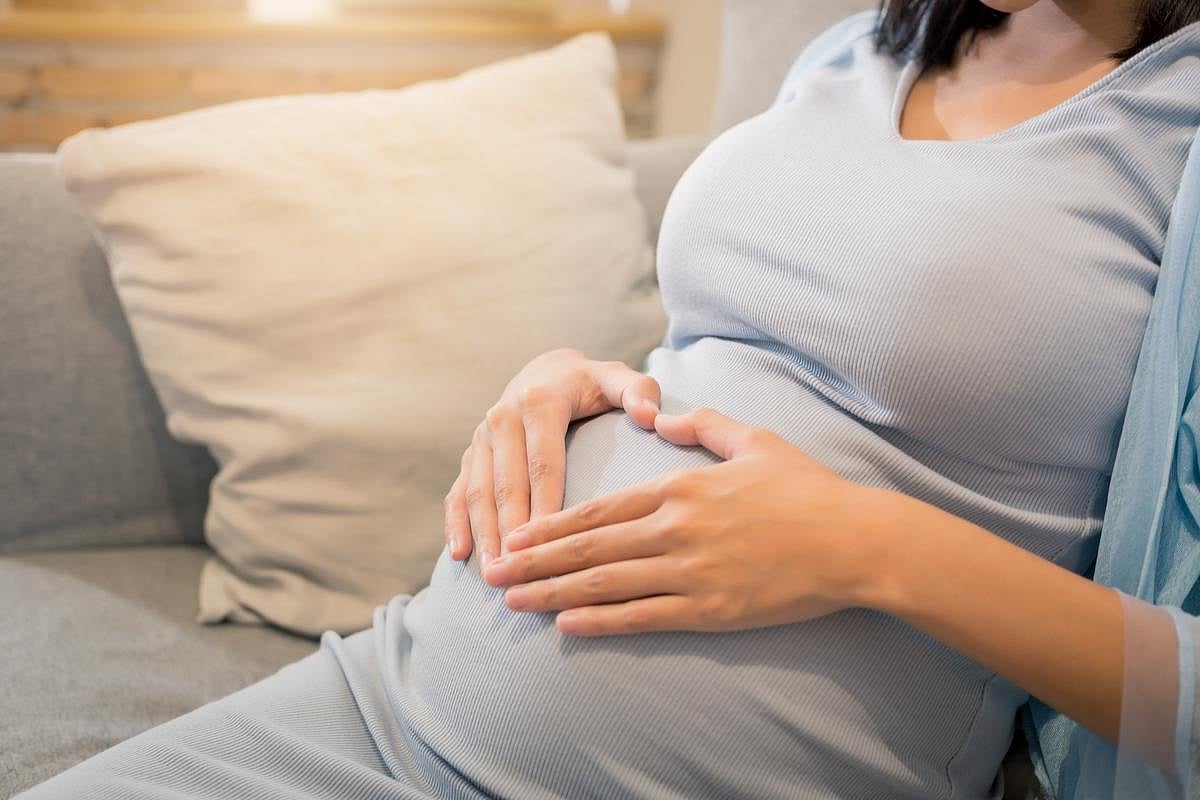
Women report decreased vaginal dryness, increased frequency of intercourse
FRIDAY, Sept. 22, 2017 (HealthDay News) — Use of a fractional carbon dioxide (CO2) laser is a safe and effective treatment for genitourinary symptoms of menopause (GSM), according to a study published online Sept. 7 in Lasers in Surgery and Medicine.
Patrick Lang, M.D., from The Christ Hospital in Cincinnati, and colleagues assessed patient satisfaction with treatment outcomes and out-of-pocket expense for the fractional CO2 laser (SmartXide) in the treatment of GSM (122 patients).
The researchers found that patient-reported vaginal dryness significantly improved following treatment (P < 0.05). There was an increase in the frequency of intercourse from “once a month” to “few times a month” (P < 0.001). The majority of patients (86 percent) reported satisfaction with their treatment results and with the cost of treatment (78 percent).
“This treatment is associated with a high level of patient satisfaction with both treatment results and out-of-pocket expense,” the authors write.
 Estrogen Hormone Treatment May Be Beneficial for Brain Fog Symptoms in Menopausal Women
  Laser Interstitial Thermal Therapy Beneficial for Brain Tumors
  Menopausal Hormone Therapy Use Linked to Lower Risk for Alzheimer Disease
  AMH Predicts Benefit of Chemo + Endocrine Therapy in Under 55s With Breast Cancer
  Chemo-Free Combo of Four Targeted Therapies Shows Promise in Metastatic Breast Cancer
  Preoperative Chemo + Immunotherapy Combo Shrinks Head, Neck Cancer Tumors
  Dexrazoxane Offers Lasting Doxorubicin Cardioprotective Effect in Childhood Cancer Survivors
  Study IDs Gaps in Hereditary Breast Cancer Risk Assessment Before Gender-Affirming Mastectomy