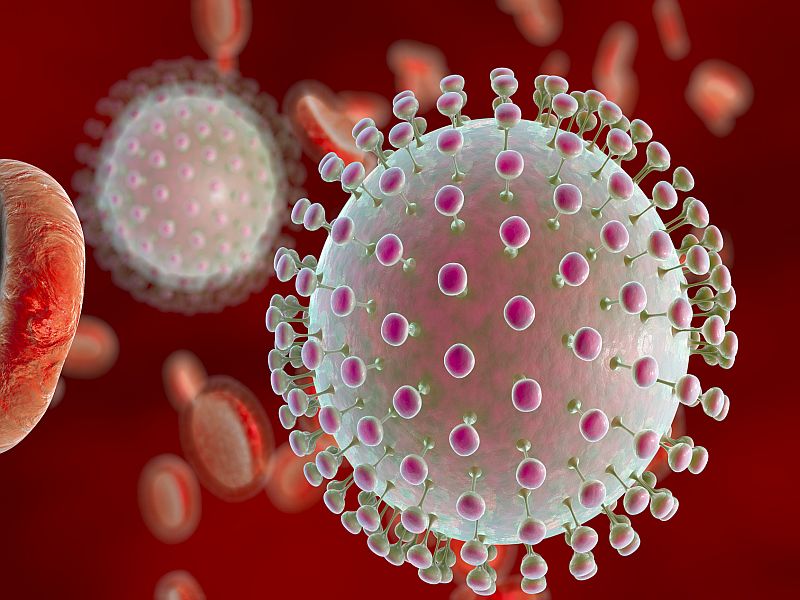
 After Zika virus infection, IFNAR signaling in conceptus inhibits development of placental labyrinth
MONDAY, Jan. 8, 2018 (HealthDay News) — Type 1 interferons (IFNs) may mediate pregnancy complications in the context of congenital Zika virus (ZIKV) infection, according to a study published in the Jan. 5 issue of Science Immunology.
Laura J. Yockey, from the Yale University School of Medicine in New Haven, Conn., and colleagues examined the role of type 1 IFNs in limiting or mediating ZIKV disease within a model of congenital infection, observed after ZIKV infection of type I IFN receptor knockout (ifnar1−/−) dams mating with wild-type sires, resulting in fetuses with functional type 1 IFN signaling. Pregnant dams carried a mixture of fetuses that expressed or did not express IFN-α/β receptor (IFNAR) (ifnar1+/− and ifnar1−/−) within the same uterus.
The researchers found that the titer of virus replication was higher in the placenta of ifnar1−/− than ifnar1+/−. Only ifnar1+/− fetuses were resorbed after ZIKV infection during early pregnancy; ifnar1−/− littermates continued to develop. IFNAR signaling in the conceptus was found to inhibit development of the placental labyrinth, resulting in abnormal maternal-fetal barrier architecture after ZIKV infection. Exposure of midgestation human chorionic villous explants to type I IFN resulted in altered placental morphology and cytoskeletal rearrangements within the villous core; this was not seen with exposure to type III IFN.
“Our results implicate type I IFNs as a possible mediator of pregnancy complications, including spontaneous abortions and growth restriction, in the context of congenital viral infections,” the authors write.
 Higher Parental Vitamin B12 Tied to Lower Prevalence of Birth Defects
  Paternal Exposure to Valproate Not Linked to Offspring Neurodevelopmental Disorders
  Dose-Dependent Link Seen for Clomiphene Citrate, Adverse Perinatal Outcomes
  Effect of Preparation Techniques Before Embryo Transfer Appears to Be Limited
  Dietary Nitrate From Beetroot Juice Promising for Pregnant Women With CKD
  Wildfires Now Top Source of Unhealthy Air for Pregnant Women in U.S.
  Childhood Body Size Linked to Subsequent Reproductive Outcomes
  Conditional Recommendations Developed for Obstructive Sleep Apnea in Pregnancy