


No clear effect of full versus empty bladder reported for pregnancy rate, pregnancy loss rate, difficulty of transfer
WEDNESDAY, Aug. 12, 2026 (HealthDay News) — Preparation techniques before embryo transfer (ET) do not seem to affect pregnancy rates, according to a review published online Aug. 5 in the Cochrane Database of Systematic Reviews.
Noyuri Yamaji, Ph.D., from Showa Medical University in Tokyo, and colleagues examined the benefits and harms of different preparation techniques prior to ET. Eleven studies, with 2,524 women, were included in the review; six of these, with 1,341 women, examined the effects of three techniques: straightening of the utero-cervical angle, comparing full bladder to empty bladder; cervical preparation techniques versus no intervention, comparing removal of cervical mucus to no mucus removal; and techniques for traversing the cervix, comparing afterloading to direct ET under ultrasound guidance.
The researchers found no clear effect for a full versus empty bladder on pregnancy rate, pregnancy loss rate, or difficulty of transfer. For removing versus no removal of mucus, there was little difference in pregnancy rate or in pregnancy loss rates, while no data were available for difficulty of transfer. Embryo afterloading may result in little to no difference in pregnancy rate and pregnancy loss rate; the effect on difficulty of transfer was very uncertain.
“Sixteen years of research still haven”t answered a basic in vitro fertilization (IVF) technique question,” Yamaji said in a statement. “This is a critical step in the IVF process and these small changes and techniques have the possibility to make a massive difference, but we won”t know more until more robust, better-quality trials are conducted.”
Abstract/Full Text (subscription or payment may be required)
 Low Levels of Placental Growth Factor in Pregnancy Linked to Subsequent ADHD in Offspring
  Recommendations Issued for Use of Incretin-Based Meds in Pregnancy
  Maternal Vitamin D Status Linked to Preterm Delivery
  IBD Not Linked to Risk for Hypertensive Disorders of Pregnancy Overall
 .jpg) Pregnancy Complications Linked to Subsequent Risk for Cardiometabolic-Renal Conditions
Pregnancy Complications Linked to Subsequent Risk for Cardiometabolic-Renal Conditions  Isometric Exercise Training Three Times a Week Preserves Cardiovascular Benefits
 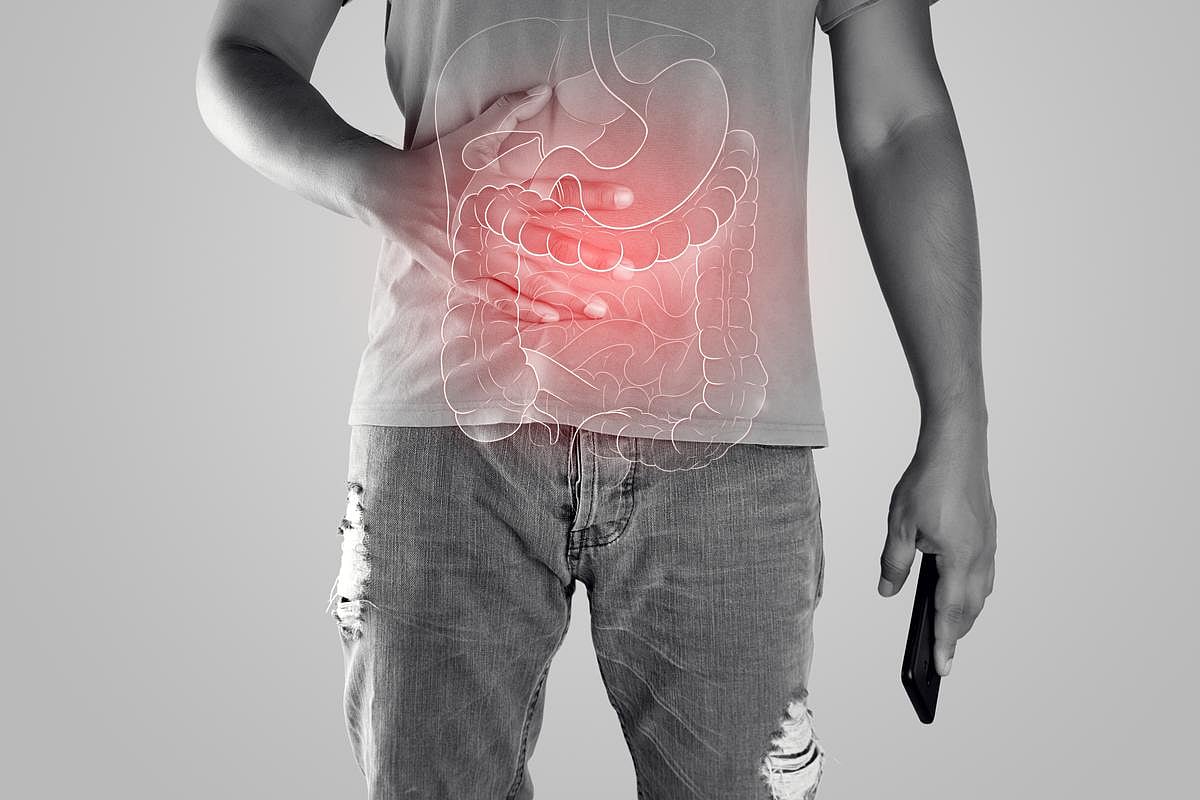 Serum 25(OH)D May Serve as Biomarker of Disease Activity in IBD
  Mom"s Poor Sleep in Late Pregnancy Linked to Offspring"s Obesity Risk in Early Childhood



.jpg)
