


 Intake of alcohol linked to increase in PMS risk; reverse causation process is possible
WEDNESDAY, April 25, 2018 (HealthDay News) — Alcohol intake may be linked to the risk of premenstrual syndrome (PMS), according to a review published online April 23 in BMJ Open.
María del Mar Fernández, from the University of Santiago de Compostela in Spain, and colleagues conducted a systematic literature review to assess the role of alcohol in the occurrence of PMS.
Based upon 19 eligible studies, intake of alcohol was associated with a moderate increase in the risk of PMS (odds ratio, 1.45). This association was most pronounced with heavy drinking (odds ratio, 1.79). It is plausible there is a reverse causation process, in which PMS-affected women use alcohol to mitigate the effect of the syndrome.
“Our results suggest that alcohol intake presents a moderate association with PMS risk,” the authors write. “Future studies should avoid cross-sectional designs and focus on determining whether there is a threshold of alcohol intake under which the harmful effect on PMS is non-existent.”
 Alcohol Use Among Pregnant Women Has Increased Since 2011
  Higher Frequency or Quantity of Alcohol Intake Tied to Several Cancers
  Young Women Show Greater Increase in Past-Month Binge Drinking Than Men
  Alcohol Use Tied to Mood Instability in Patients With Bipolar Disorder
  Systemic Physical Multimorbidity Higher With Schizophrenia-Spectrum, Bipolar Disorder
 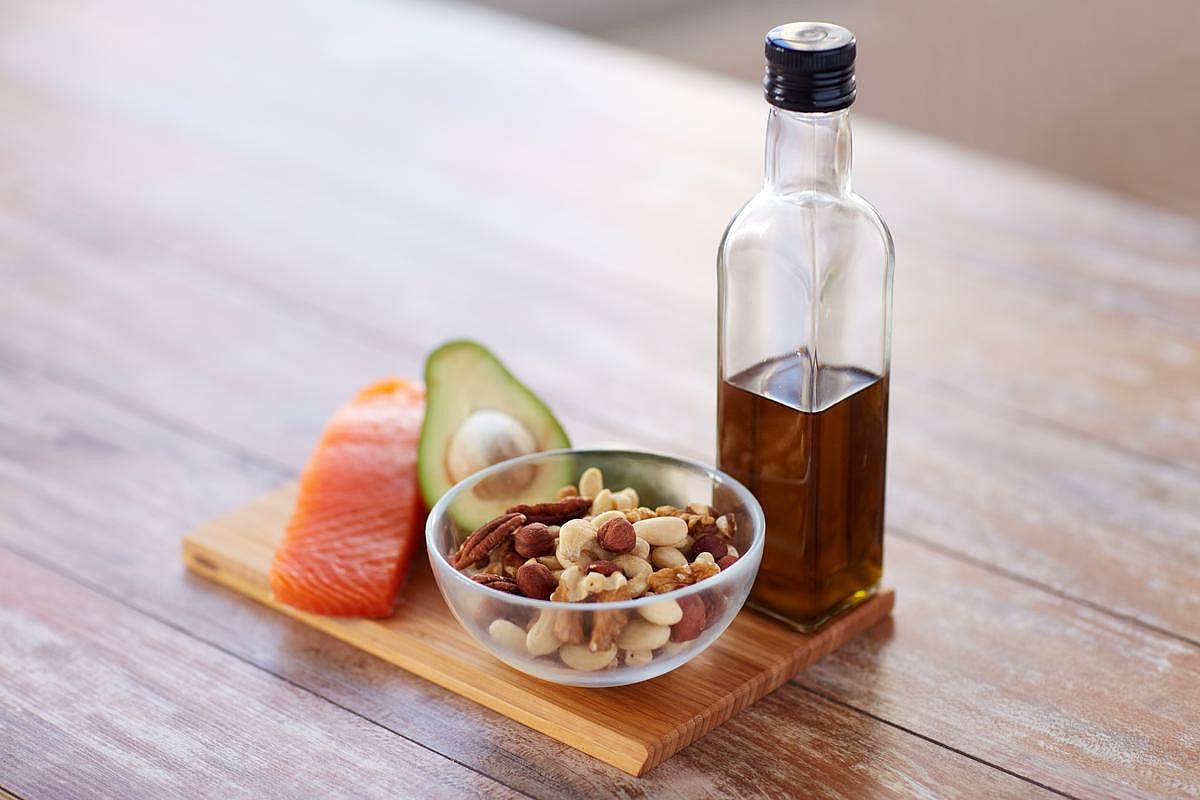 Ketogenic Diet Beneficial in Schizophrenia, Bipolar-1 Disorders
  Brain Lithium Concentrations Mirror Serum Concentrations in Bipolar Disorder
 .jpg) Lower Dementia Risk Seen With SGLT2is in Seniors 65+ With Mood, Psychotic Disorders
Lower Dementia Risk Seen With SGLT2is in Seniors 65+ With Mood, Psychotic Disorders 


.jpg)

