


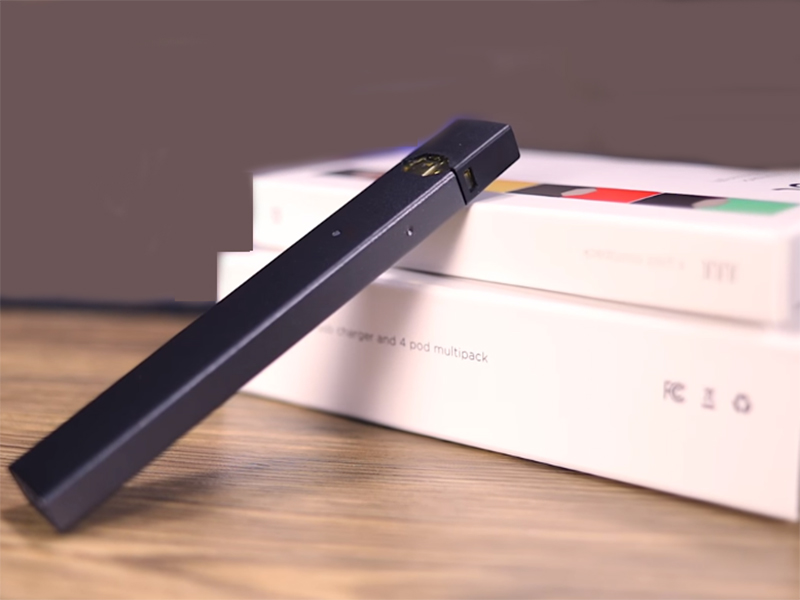
 Small devices deliver addictive nicotine dose without noxious taste; pose danger to adolescents
WEDNESDAY, Sept. 26, 2018 (HealthDay News) — “Pod mods,” which are small, rechargeable devices that aerosolize liquid solutions containing nicotine encapsulated in cartridges, pose a danger to adolescent users, according to a perspective article published in the Sept. 20 issue of the New England Journal of Medicine.
Jessica L. Barrington-Trimis, Ph.D., and Adam M. Leventhal, Ph.D., from the Keck School of Medicine in Los Angeles, discussed the use of pod mods, which are thought to be widely used among young people.
The authors note that pod mods deliver high levels of nicotine; many use protonated nicotine formulations derived from the nicotine salts in loose-leaf tobacco and contain concentrations two to 10 times higher than those found in most free-base-nicotine electronic cigarette (e-cigarette) products. Salt-based nicotine combined with other additives results in a satisfying experience even at high concentrations of nicotine. The noxious taste and sensations of the initial smoking experience, which deter some from smoking, is not present in pod mods, which is a factor in their addictiveness. They are also easy to conceal and have a modern design, with some covers resembling smartphone cases. Given the high concentrations of nicotine, the associated health consequences could be worse than those from most e-cigarette products. Sixty-three percent of 15- to 24-year-olds did not even know that nicotine is present in Juul pod mod products.
“Comprehensive actions are urgently needed to counteract adolescents’ use of pod mods and other e-cigarettes,” the authors write.
.jpg) Considerable Gaps Reported in Care for Youth With Opioid Use Disorder
 Nutritional Deficiencies Seen in Youth Taking GLP-1 Receptor Agonists
 Youth Suicide Risk Linked to Community Firearm Violence
 Trends Reported in Vaccination Coverage for Adolescents for 2025
 Nearly 3 in 4 Older Adults Express Interest in Vaccine to Prevent Dementia
 Updated COVID-19 Shot Beneficial for Those With Autoimmune Rheumatic Disease
 AAP Issues Recommendations for Pediatric RSV Vaccination in 2026-2027 Season
 Social Media Warnings Could Discourage Use Among Teens, Young Adults





.jpg)