


 Overall, 49 percent of pregnant women with syphilis did not report any of 15 risk factors
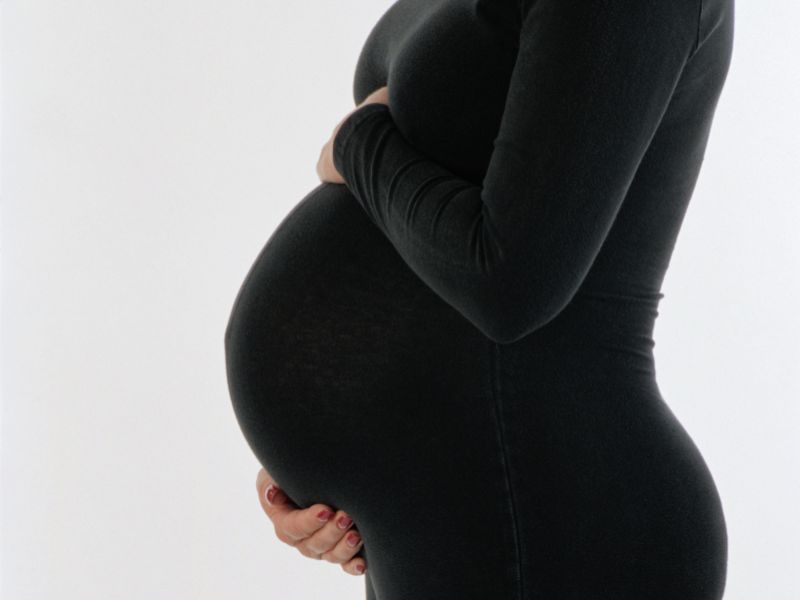
MONDAY, Dec. 10, 2018 (HealthDay News) — From 2012 to 2016, there was a 61 percent increase in syphilis cases among pregnant women, with no traditional behavioral risk factors reported among half of these women, according to a study published online Dec. 4 in Obstetrics & Gynecology.
Shivika Trivedi, M.D., from the U.S. Centers for Disease Control and Prevention in Atlanta, and colleagues analyzed U.S. national case report data from 2012 to 2016 to calculate trends among pregnant women with syphilis. They also examined the number of pregnant women in this population reporting high-risk behaviors.
The researchers observed a 61 percent increase in the number of syphilis cases among pregnant women during 2012 to 2016, from 1,561 to 2,508; this increase was noted for all races and ethnicities, for all women aged 15 to 45 years, and across all U.S. regions. Forty-nine percent of pregnant women with syphilis did not report any of 15 queried risk factors, including high-risk sexual behaviors and drug use, in the previous year. A history of a sexually transmitted disease and more than one sex partner in the previous year (43 and 30 percent, respectively) were the most commonly reported risk behaviors.
“We hope that these data and the continued collection of surveillance data, including risk factors, may help guide the evolution of future public health interventions so they are tailored to the socioeconomic factors and behaviors of this population,” the authors write.
Abstract/Full Text (subscription or payment may be required)
 Low Levels of Placental Growth Factor in Pregnancy Linked to Subsequent ADHD in Offspring
 Recommendations Issued for Use of Incretin-Based Meds in Pregnancy
 IBD Not Linked to Risk for Hypertensive Disorders of Pregnancy Overall
 Maternal Vitamin D Status Linked to Preterm Delivery
 Serum 25(OH)D May Serve as Biomarker of Disease Activity in IBD
 Nutritional Deficiencies Seen in Youth Taking GLP-1 Receptor Agonists
 Mom"s Poor Sleep in Late Pregnancy Linked to Offspring"s Obesity Risk in Early Childhood




.jpg)
