 Researchers call for more randomized controlled trials to investigate systemic treatments
FRIDAY, Dec. 28, 2018 (HealthDay News) — A new review, published in the Journal of the American Academy of Dermatology, provides evidence-based guidance for practitioners treating the dermatologic condition prurigo nodularis and highlights gaps in treatment development and research.
Azam A. Qureshi, from George Washington University in Washington, D.C., and colleagues identified 35 clinical studies (including eight randomized controlled trials) investigating prurigo nodularis treatment published from 1990 to the present and involving at least five patients.
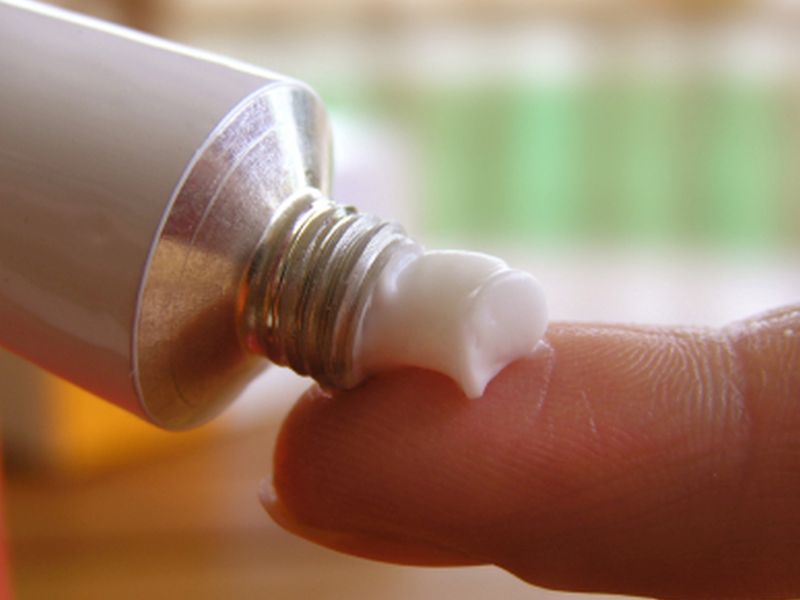
The researchers found that the five studies investigating topical agents, including corticosteroids, calcineurin inhibitors, calcipotriol, and capsaicin, all showed some benefit with a level of evidence 2b or higher. Among the eight studies investigating phototherapy and photochemotherapy, six achieved levels of evidence of 2b or greater and showed good partial response rates. Six studies evaluated thalidomide and showed evidence of good symptom response, but only two of them were rated level 2b or greater. In four combined studies, cyclosporine and methotrexate demonstrated benefit, but with level 4 evidence. Promising evidence for pregabalin, amitriptyline, paroxetine, fluvoxamine, and neurokinin-1 receptor antagonists was seen in five level 2b studies.
“Higher-powered studies and additional randomized controlled trials are needed for the evaluation of safe and efficacious systemic treatment options for prurigo nodularis,” write the authors.
Two authors disclosed ties to the pharmaceutical industry.
Abstract/Full Text (subscription or payment may be required)
 Review Shows Antihistamines Offer No Meaningful Benefit in Atopic Dermatitis
  Nemolizumab Rapidly Relieves Itch, Sleep Disturbance in Atopic Dermatitis
  Chronic Pruritus Prevalent Among Older Adults
  Abrocitinib Effective, Tolerated for Prurigo Nodularis, Chronic Pruritus
  Considerable Global Disparities Found in Access to Dermatological Care
  Extreme Heat Linked to 33 Clinically Reportable Diagnoses
  December 2024 to 2025 Saw Significant Increase in Leucovorin Dispensing
  Dexrazoxane Offers Lasting Doxorubicin Cardioprotective Effect in Childhood Cancer Survivors