


 Findings seen in young male, but not female, Japanese workers with type 2 diabetes mellitus
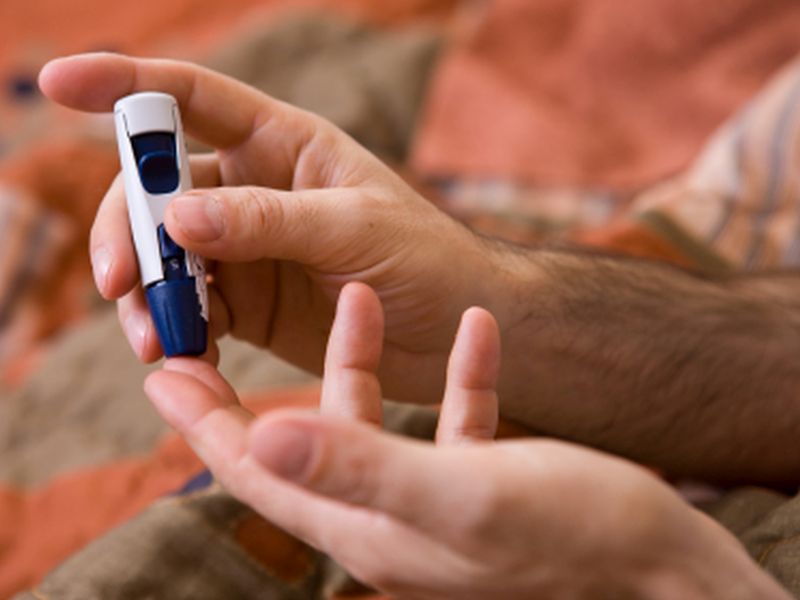
WEDNESDAY, Jan. 9, 2019 (HealthDay News) — Long work hours (≥60 hours/week) are associated with poor glycemic control in young Japanese men with type 2 diabetes, according to a study published in the January issue of the Journal of Diabetes Investigation.
Yasushi Azami, from Jouhoku Hospital in Kanazawa, Japan, and colleagues assessed associations between working conditions, eating habits, and glycemic control among Japanese workers with type 2 diabetes (352 men and 126 women aged 20 to 40 years).
The researchers found that suboptimal glycemic control in male workers was associated with a disease duration of ≥10 years (odds ratio [OR], 2.43), glycosylated hemoglobin level of ≥7 percent at baseline (OR, 8.50), skipping breakfast and having late evening meals (OR, 2.50), and working ≥60 hours/week (OR, 2.92). In female workers, suboptimal glycemic control was associated with a glycosylated hemoglobin level of ≥7 percent at baseline (OR, 17.96), oral hyperglycemic agent therapy (OR, 12.49), and insulin therapy (OR, 11.60).
“To maintain close to normal glucose levels, interventions to reduce unhealthy lifestyles and reduction in working hours are necessary,” write the authors.
.jpg) Pregnancy Complications Linked to Subsequent Risk for Cardiometabolic-Renal Conditions
 GLP-1 Receptor Agonists, SGLT-2is Slow Renal Function Decline in T2D With Albuminuria
 Genetics, Diabetes Tied to MASLD-Associated Cirrhosis Before Age 50
 Study IDs Risk Factors for Ketoacidosis in Adults With T2D Receiving SGLT2 Inhibitors
.jpg) Most Specialty Oral Anticancer Meds for Blood Cancers Are Initially Rejected by Insurers
 Drug Interactions Reducing Contraceptive Effectiveness Common in Epilepsy
 1 in 3 With Lupus Take Supplements, Medications With Potential for Interactions
 Holding DMARDs at Time of COVID-19 Vaccine Not Warranted in Those With Inflammatory Arthritis



