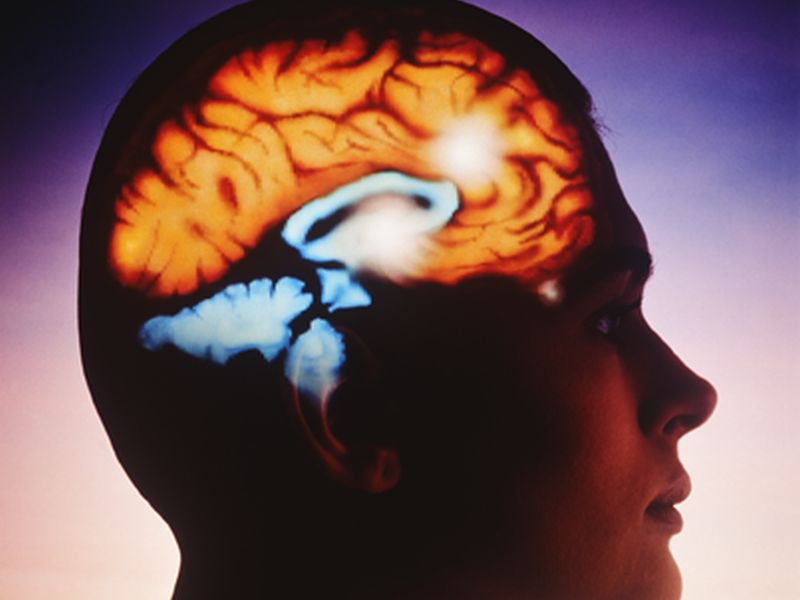
 Education was not associated with onset, rate of accelerated decline before dementia diagnosis
FRIDAY, Feb. 8, 2019 (HealthDay News) — Education is associated with global cognition but not with the rate of cognitive change in older adults, according to a study published online Feb. 6 in Neurology.
Robert S. Wilson, Ph.D., from the Rush University Medical Center in Chicago, and colleagues examined the contribution of education to cognitive reserve in a longitudinal clinical-pathologic cohort study involving 2,899 older participants who had annual cognitive testing, including a subgroup of 696 who developed incident dementia. Neuropathologic examination had been completed in 752 participants who had died.
Participants had a mean of 16.3 years of education. The researchers found that education correlated with initial level of global cognition but not the rate of cognitive change in all participants. The rate of global cognitive decline accelerated a mean of 1.8 years before diagnosis in those who developed dementia; education was not associated with the onset or rate of accelerated decline. The rate of global cognitive decline accelerated a mean of 3.4 years before death in the deceased; higher educational attainment correlated with earlier onset of accelerated decline and was not related to the rate of acceleration. There was a correlation for higher education with lower likelihood of gross and microscopic cerebral infarcts but not with other neuropathologic markers.
“That education apparently contributes little to cognitive reserve is surprising given its association with cognitive growth and changes in brain structure,” the authors write.
Abstract/Full Text (subscription or payment may be required)
 Lower Cognitive Functioning During 60s Linked to Subsequent Stroke Risk
  Nearly 1 in 10 Older Adults Used Cannabis in the Past Year
  Polypharmacy of Prescription Medications Increased for U.S. Older Adults
  Pharmacist-Led Med Review Improves Medication Quality in Older Patients With Cancer
  Personalized Support Boosts Families" Genetic Testing for Hereditary Cancers
 .jpg) Cancer Survivors Have Lower Levels of Physical Activity
Cancer Survivors Have Lower Levels of Physical Activity  Lower Vertebral Bone Mineral Density Linked to Cognitive Decline
  Myeloma Risk Modestly Increased in Adults With Incidentally Detected Vertebral Fracture