


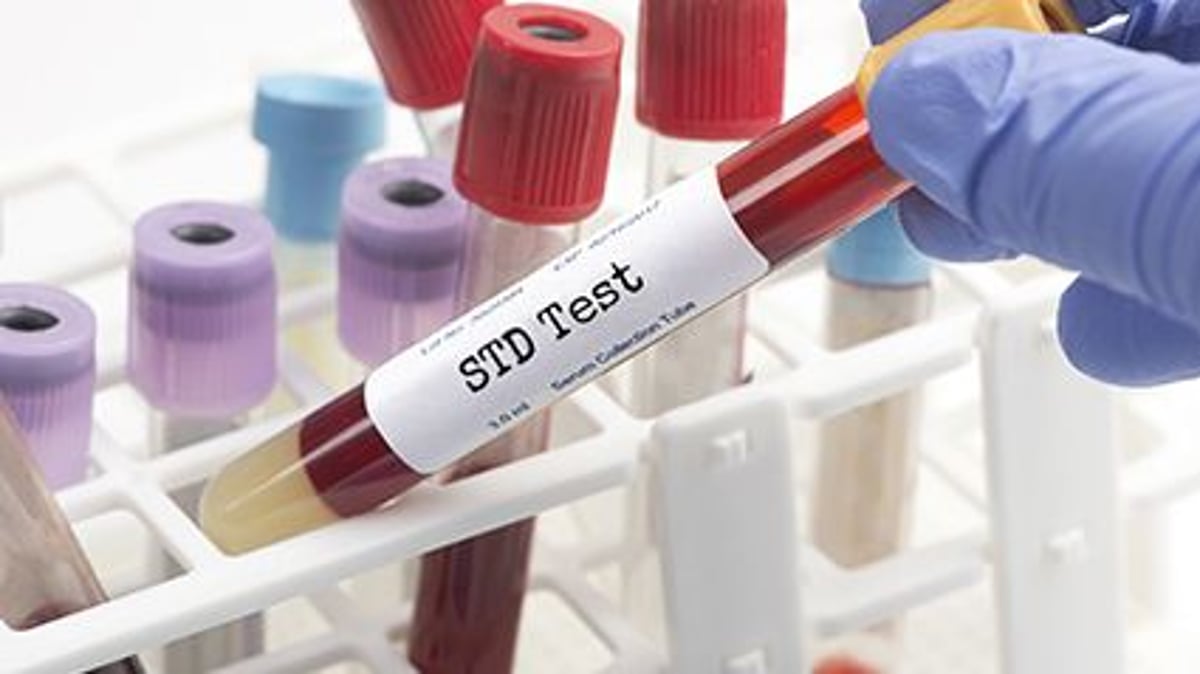
Estimated 67.6 million prevalent and 26.2 million incident STIs identified in U.S. in 2018; mostly chlamydia, trichomoniasis, genital herpes, HPV
TUESDAY, Jan. 26, 2021 (HealthDay News) — The burden of sexually transmitted infections (STIs) is high in the United States, according to a study published online Jan. 23 in Sexually Transmitted Diseases.
Kristen M. Kreisel, Ph.D., from the U.S. Centers for Disease Control and Prevention in Atlanta, and colleagues used new methods to update estimates for the number of prevalent and incident STIs in the United States for 2018. The number of prevalent and incident infections were calculated by multiplying updated per-capita prevalence and incidence estimates for each of eight STIs by the 2018 full resident population estimates.
The researchers identified an estimated 67.6 million prevalent and 26.2 million incident STIs in the United States in 2018. Chlamydia, trichomoniasis, genital herpes, and human papillomavirus comprised 97.6 and 93.1 percent of all prevalent and incident STIs, respectively. Persons aged 15 to 24 years accounted for 18.6 and 45.5 percent of all prevalent and incident infections, respectively.
“At a time when STIs are at an all-time high, they have fallen out of the national conversation,” Jonathan Mermin, M.D., M.P.H., from the CDC National Center for HIV/AIDS, Viral Hepatitis, STD, and TB Prevention, said in a statement. “There is an urgent need to reverse the trend of increasing STIs, especially in the wake of the COVID-19 pandemic, which has affected many STI prevention services.”
 Direct-Mail HPV Self-Test Kits Boost Screening Rates and Are Cost-Effective
  Guideline Adherence Suboptimal for Chlamydia, Gonorrhea Treatment
  DoxyPEP Tied to Decreases in Sexually Transmitted Infections
  First Cases of Sexually Transmitted Ringworm Reported in the U.S.
  CDC Recommends Doxycycline PEP for Gay Men, Transgender Women
  One in Four Young Sexual-, Gender-Minority Individuals May Experience Syphilis
  CDC Advisers Say High-Risk Men Should Still Get Mpox Vaccine
  FDA Could Ease Blood Donation Rules for Gay Men




.jpg)