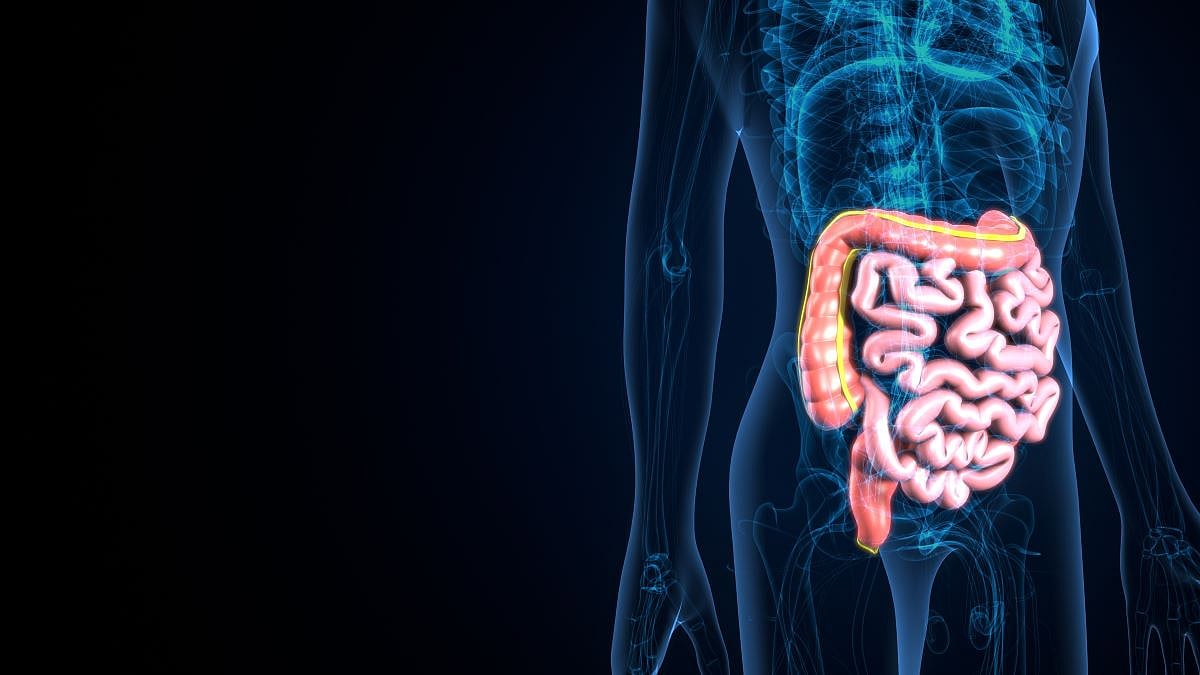
Additionally, organic nitrates are poorly tolerated with headaches as the major complaint
THURSDAY, May 7, 2020 (HealthDay News) — Organic nitrates do not have clinically relevant effects on bone mineral density (BMD) or bone turnover in postmenopausal women, according to a study published online May 5 in the Journal of Bone and Mineral Research.
Mark J. Bolland, M.B.Ch.B., Ph.D., from the University of Auckland in New Zealand, and colleagues evaluated the lowest effective dose and the most effective and acceptable nitrate preparation. Three nitrate preparations and two different doses were assessed in a one-year randomized, placebo-controlled trial of 240 osteopenic, postmenopausal women.
The researchers observed no statistically significant between-group differences in changes in BMD at any site and no consistent differences in bone turnover markers. When data were pooled from the active treatment groups, there were still no differences noted in changes in BMD or bone turnover markers between nitrate treatment and placebo. More than one-quarter of the women (27 percent) withdrew during the run-in phase, mainly because of nitrate-induced headache. Further, one in five women (21 percent) randomly assigned to nitrate treatment withdrew or stopped study medication during the one-year study versus 2.5 percent in the placebo group.
“These results call into question the validity of previous clinical research reporting large positive effects of nitrates on BMD and bone turnover,” the authors write.
One author disclosed financial ties to a company that provides bone densitometry services.
Abstract/Full Text (subscription or payment may be required)
 Longer Reproductive Lifespan Tied to Lower Bronchiectasis Risk in Postmenopausal Women
  Midlife Onset of Increasing Pulse Pressure Not Linked to Menopause
  Disparities Identified in Home Health Care After Hip, Knee Replacement
  Estrogen Hormone Treatment May Be Beneficial for Brain Fog Symptoms in Menopausal Women
  Brain Abnormalities Identified in Children at Risk for Schizophrenia
  Cortical Atrophy in Early-Onset Alzheimer Disease Signature Can Predict Progression to Dementia
  Menopausal Hormone Therapy Use Linked to Lower Risk for Alzheimer Disease
  AMH Predicts Benefit of Chemo + Endocrine Therapy in Under 55s With Breast Cancer